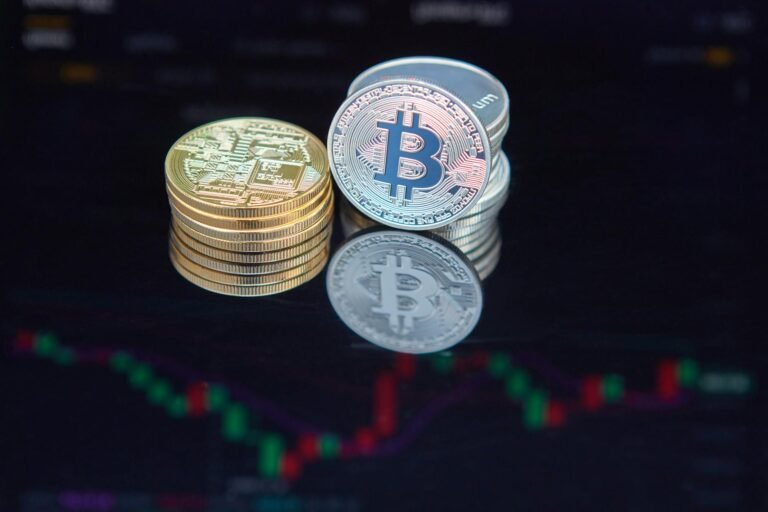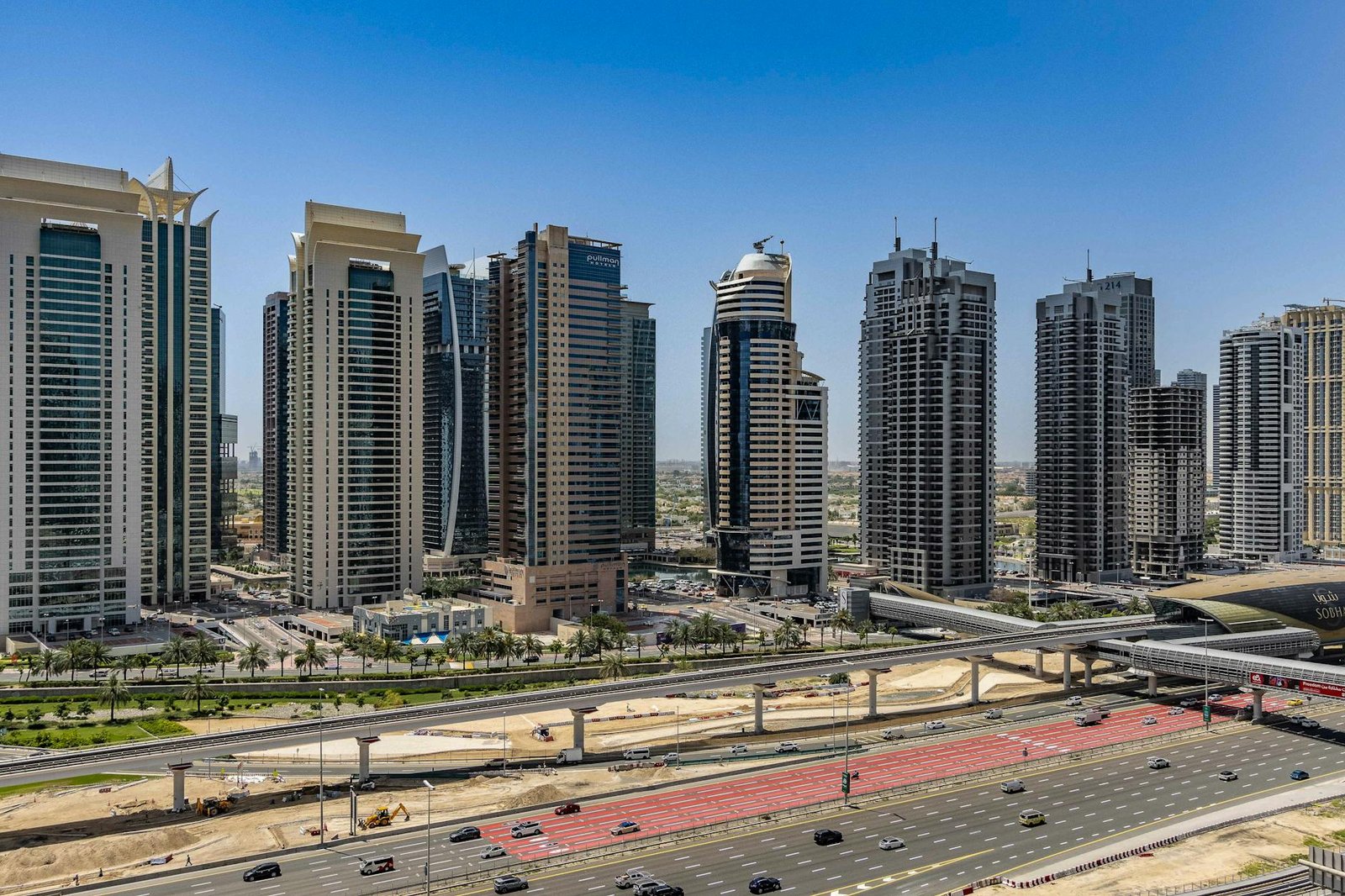
Dubai is setting its sights on transforming the real estate market with a groundbreaking $16 billion tokenization project, poised to revolutionize the way properties are bought, sold, and traded. The Dubai Land Department, in partnership with Ctrl Alt, is taking the next step to enable the instant resale of property tokens, marking a significant milestone in the region’s push for digital innovation.
A New Era for Real Estate
The initiative, which has been in the works for several months, aims to streamline the real estate market by leveraging blockchain technology. Property tokens, representing fractional ownership of real estate assets, can be traded on digital platforms, making the process faster, more transparent, and accessible to a broader range of investors. This move is expected to enhance liquidity and reduce the barriers to entry for smaller investors, who can now participate in the real estate market with smaller capital outlays.
Challenges and Regulatory Hurdles
While the potential benefits are significant, the project is not without its challenges. A recent survey by Brickken reveals that 84.6% of issuers are facing regulatory friction, which is slowing down the rollout of tokenization efforts. Despite this, 69.2% of issuers are already live, indicating a strong push towards implementation. The primary focus remains on improving capital formation and fundraising efficiency, rather than unlocking secondary market liquidity, which is a longer-term goal.
Industry Leaders Weigh In
Major exchanges like CME, NYSE, and Nasdaq are actively exploring 24/7 trading for tokenized assets, which could further boost the appeal of these digital securities. However, many issuers are still in the validation phase, concentrating on regulatory structures, issuance processes, and ensuring compliant asset quality. The emphasis on robust issuance infrastructure is seen as the key bridge between traditional and decentralized finance, ensuring that the transition is smooth and secure.
Expanding Beyond Real Estate
The implications of this tokenization project extend beyond real estate. Industry leaders are exploring the potential of tokenizing other asset classes, including equities, intellectual property, and entertainment. This diversification could open up new avenues for investment and innovation, driving further adoption of blockchain technology in various sectors.
Looking Ahead
As Dubai continues to lead the charge in real estate tokenization, the global impact could be substantial. The success of this project could serve as a blueprint for other regions looking to modernize their real estate markets. However, the regulatory landscape remains a critical factor, and stakeholders must navigate these challenges to ensure the long-term viability of tokenized assets. With the potential to transform the way we think about property ownership and investment, the future of real estate in the digital age looks promising.
About the Author