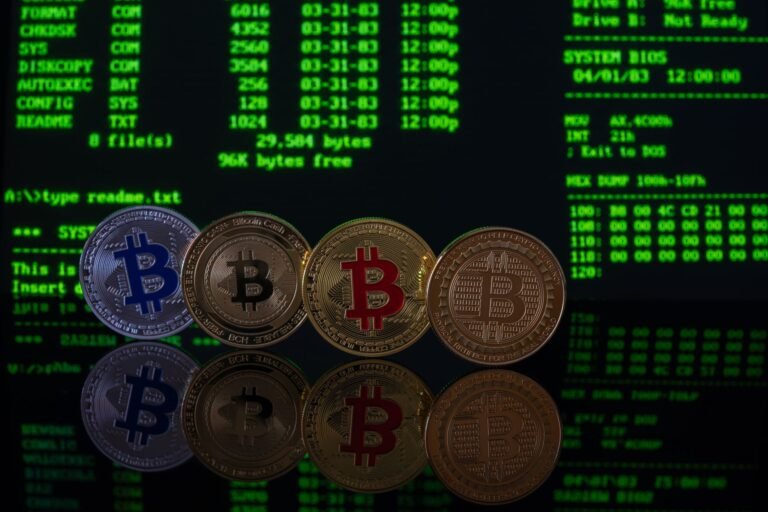
U.S. banking rules on bitcoin are facing mounting scrutiny as Strategy (Nasdaq: MSTR) CEO Phong Le urges regulators to revisit Basel capital standards, warning that current risk weights could hinder America’s ambitions to lead the global digital asset market.
The Basel Dilemma
Le’s concerns stem from the Basel Committee on Banking Supervision’s (BCBS) recent guidelines, which assign a 1,250% risk weight to bitcoin. This means that banks holding bitcoin on their balance sheets must set aside significantly more capital to cover potential losses, making it far more expensive and less attractive for financial institutions to engage with the asset.
Impact on U.S. Leadership
“The 1,250% risk weight is a major deterrent for U.S. banks to adopt bitcoin,” Le said in an interview. “This could lead to a situation where other countries, particularly those in Asia and Europe, take the lead in the digital asset space, while U.S. banks remain on the sidelines.”
Global Competition
The U.S. has been positioning itself as a leader in the global crypto market, with numerous initiatives aimed at fostering innovation and regulatory clarity. However, the stringent Basel standards could undermine these efforts, according to Le. “If U.S. banks are penalized for holding bitcoin, it will be difficult for the country to maintain its competitive edge in the digital asset industry,” he added.
Industry Response
The crypto industry has largely criticized the Basel standards, arguing that they are overly conservative and fail to account for the technological advancements and risk management practices that have been developed in the past decade. “The risk weight should reflect the actual risk, not a one-size-fits-all approach,” said a spokesperson for the Blockchain Association.
Regulatory Reevaluation
Le is not alone in his call for a reevaluation. Several other industry leaders and policymakers have echoed similar concerns, urging U.S. regulators to work with the Basel Committee to develop a more balanced approach. “The U.S. has a unique opportunity to set the standard for global crypto regulation,” said a senior official at the Office of the Comptroller of the Currency (OCC). “We need to ensure that our rules are fair and promote innovation.”
Looking Ahead
The debate over the Basel standards is likely to intensify as the U.S. continues to push for greater adoption of digital assets. Le’s call for a reevaluation could be a turning point, prompting regulators to reconsider the 1,250% risk weight and paving the way for more favorable conditions for U.S. banks to engage with bitcoin. The outcome of this discussion will have far-reaching implications for the future of the global crypto market and the U.S.’s role within it.
About the Author