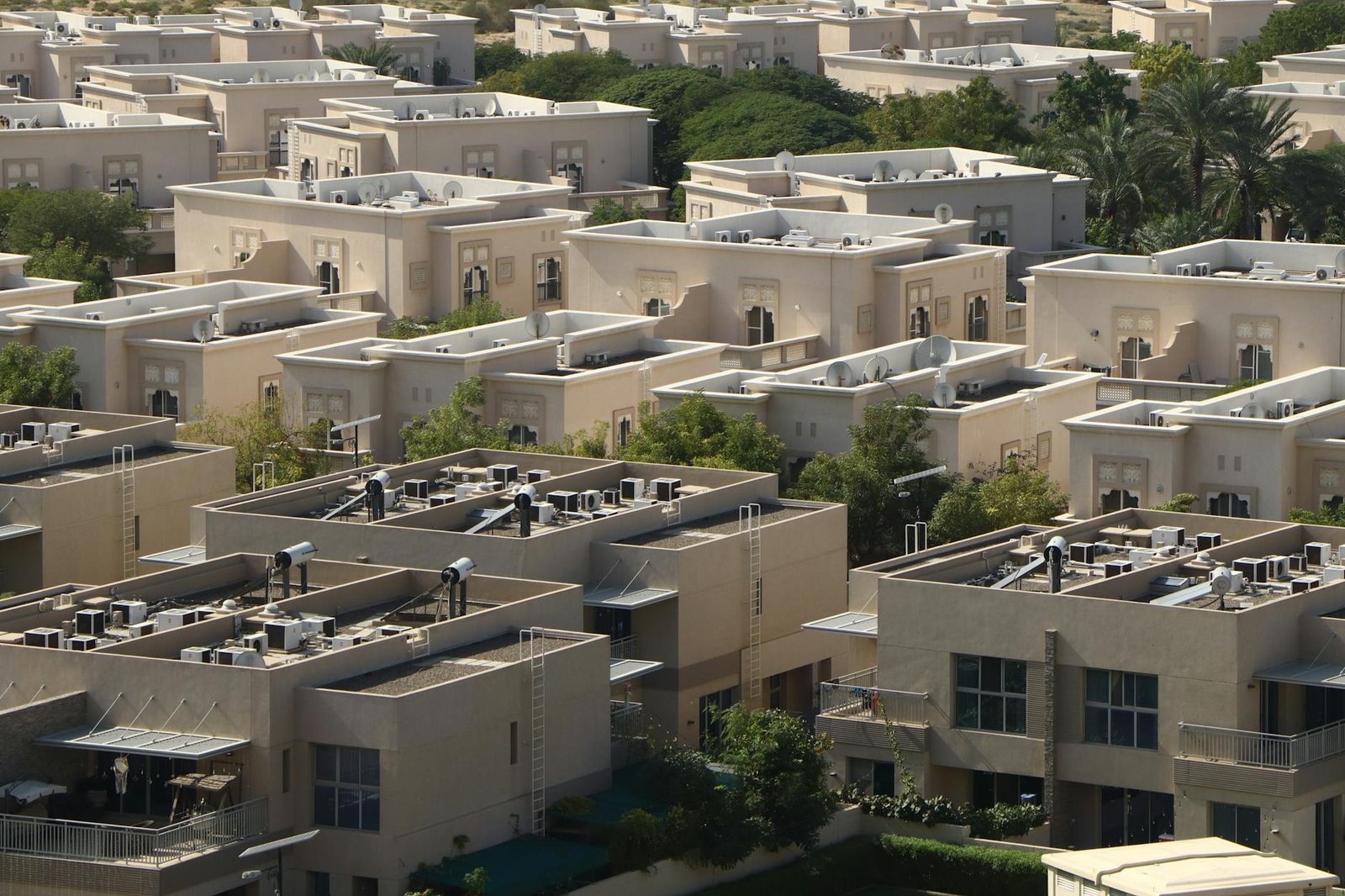
The XRP Ledger has taken a significant step forward in the realm of real-world asset tokenization, as Dubai activates secondary trading for tokenized real estate. This move unlocks regulated resale for millions of property-backed tokens, marking a pivotal moment in the integration of blockchain technology into official land registry systems.
Dubai’s Bold Move: A Regulatory Milestone
The Dubai Land Department (DLD) has announced the activation of secondary trading for tokenized real estate, a development that has been closely monitored by industry experts and enthusiasts alike. The DLD’s initiative is part of a broader strategy to leverage blockchain technology for enhanced transparency, efficiency, and security in the real estate market.
“This is a significant milestone for the real estate sector in Dubai,” said Brad Garlinghouse, CEO of Ripple. “The activation of secondary trading for tokenized properties on the XRP Ledger not only demonstrates the regulatory framework’s maturity but also showcases the potential for blockchain to transform traditional industries.”
Unleashing the Potential of Tokenized Assets
The introduction of secondary trading for tokenized real estate in Dubai opens up new opportunities for investors and property owners. Tokenization allows for fractional ownership, making it easier for a wider range of investors to participate in the real estate market. Moreover, the ability to trade these tokens on a regulated platform ensures that the process remains secure and compliant with local regulations.
“Tokenization has the potential to democratize access to real estate investments,” explained Dr. Nasser Saidi, a prominent economist and advisor to the DLD. “By breaking down the barriers to entry, we can attract a broader pool of investors, which in turn can lead to increased liquidity and more dynamic market conditions.”
Global Implications and Future Prospects
The success of tokenized real estate in Dubai is likely to have far-reaching implications for other regions and sectors. As more jurisdictions explore the benefits of blockchain technology, the adoption of tokenized assets could become a global trend. This could lead to a more interconnected and efficient financial ecosystem, where assets are easily tradable and accessible across borders.
Ripple’s XRP Ledger is at the forefront of this transformation, providing a robust and scalable platform for real-world asset tokenization. The company’s commitment to innovation and regulatory compliance has positioned it as a leader in the blockchain space, and its collaboration with the DLD is a testament to its growing influence.
Conclusion: A New Era for Real Estate
The activation of secondary trading for tokenized real estate in Dubai marks the beginning of a new era for the industry. By embracing blockchain technology, Dubai is setting a precedent for other regions to follow. As the global financial landscape continues to evolve, the integration of tokenized assets into traditional markets will play a crucial role in shaping the future of finance.
About the Author