This week, Anthropic, a leading artificial intelligence (AI) company, unveiled Claude Code Security, an innovative AI-driven code-scanning tool designed to detect vulnerabilities and draft patches. The launch has sent ripples through the cybersecurity industry, sparking debates about the role of AI in code security and its potential to disrupt the job market.
The Arrival of Claude Code Security
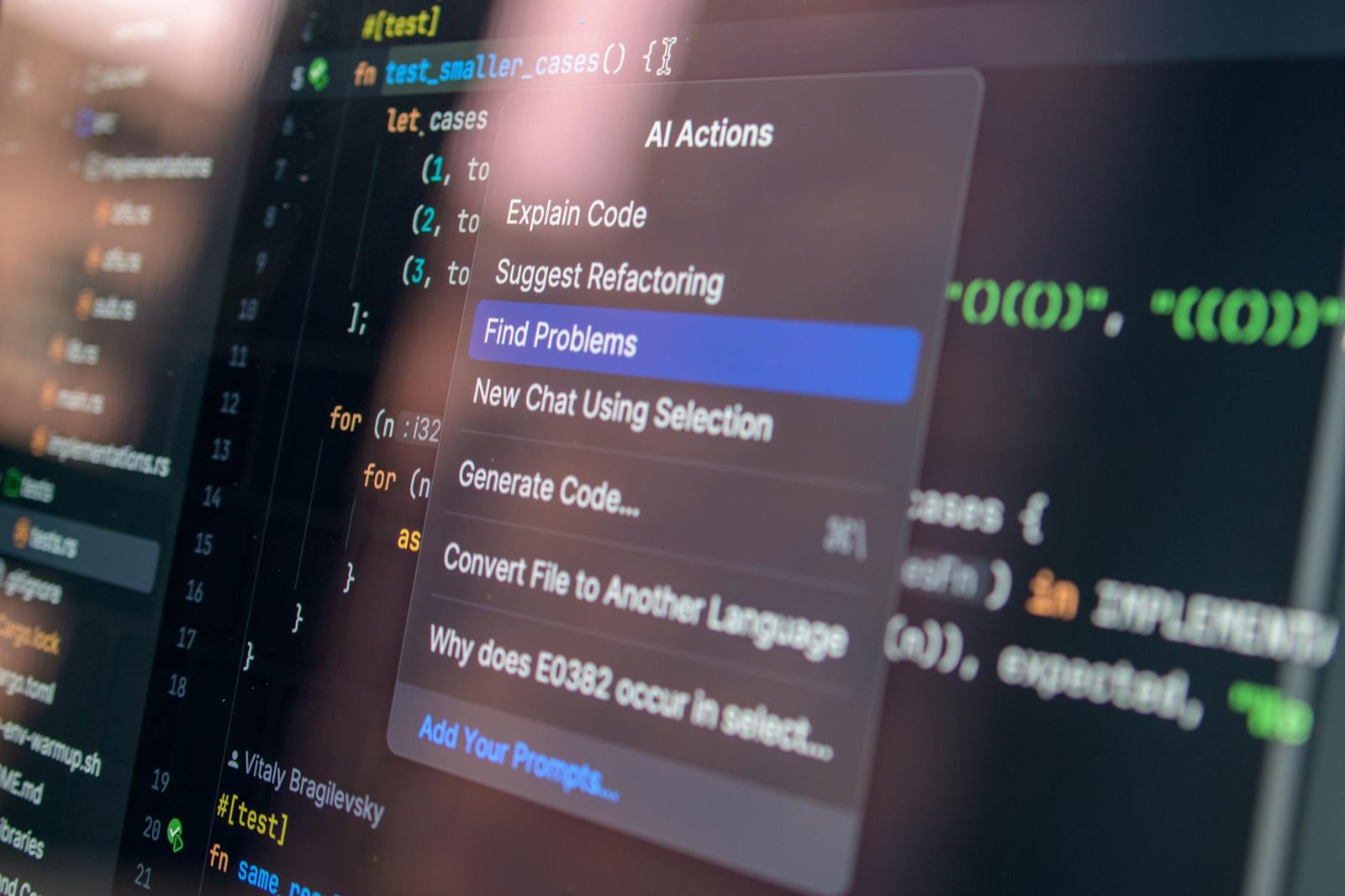
Anthropic’s latest addition to its Claude Code platform is not just a tool; it’s a game-changer. Claude Code Security leverages advanced machine learning algorithms to analyze codebases, identify potential security flaws, and propose fixes. This capability is particularly significant in an era where software vulnerabilities are increasingly exploited by cybercriminals.
Market Reactions and Industry Implications
The announcement has already had a noticeable impact on cybersecurity stocks, with some companies experiencing fluctuations in their market values. Investors and industry analysts are closely watching how this new tool will reshape the competitive landscape. The potential for AI to automate tasks traditionally performed by human security experts has raised concerns about job displacement and the need for workforce adaptation.
AI in Cybersecurity: A Double-Edged Sword
While the benefits of AI in cybersecurity are undeniable—faster detection, more accurate fixes, and reduced human error—the technology also presents challenges. Cybersecurity professionals must now consider how to integrate AI tools into their workflows without compromising the human touch that is often crucial in complex security scenarios. Additionally, the ethical implications of AI in security, such as bias and accountability, remain a topic of ongoing discussion.
Expert Analysis and Future Outlook
Dr. Emily Chen, a cybersecurity expert at a leading tech consultancy, noted,
“Claude Code Security represents a significant step forward in the use of AI for code security. However, it’s important to recognize that while AI can enhance security, it cannot replace the nuanced judgment and deep expertise of human security professionals.”
She emphasized the need for a hybrid approach that combines the strengths of both AI and human expertise.
Looking ahead, the integration of AI in cybersecurity is likely to continue, driven by the increasing complexity of cyber threats and the need for more efficient and effective security solutions. Companies that can successfully navigate this transition will be better positioned to protect their digital assets and maintain a competitive edge.
Conclusion
The launch of Claude Code Security by Anthropic marks a pivotal moment in the cybersecurity industry. While the tool offers promising advancements in code security, it also highlights the ongoing tension between technological innovation and human labor. As the industry evolves, the key will be finding the right balance between AI capabilities and human expertise to ensure a secure and resilient digital landscape.
About the Author