Bitcoin experienced a significant dip on Sunday, falling below the $65,000 mark amid heightened global uncertainties, including the looming threat of a new 15% tariff regime and geopolitical tensions with Iran. The digital asset’s decline of over $2,500 reflects the broader market’s risk aversion, as investors brace for potential economic and political disruptions.
Market Reaction to Tariff Announcement
The announcement of a new 15% tariff regime by former President Donald Trump has sent shockwaves through the financial markets. While the immediate impact is felt in traditional assets, the crypto market, particularly Bitcoin, has not been immune. The proposed tariffs, which target a range of imports, are expected to increase costs for consumers and businesses, potentially leading to inflationary pressures and economic slowdowns.
Geopolitical Tensions with Iran
Adding to the market’s unease is the escalating conflict between the United States and Iran. Reports of a possible military strike have heightened tensions and led to a flight to safety, with investors selling off riskier assets like cryptocurrencies and stocks. The potential for a broader conflict in the Middle East has further dampened investor sentiment, pushing Bitcoin and other digital assets into a downward spiral.
Technical Analysis and Market Sentiment
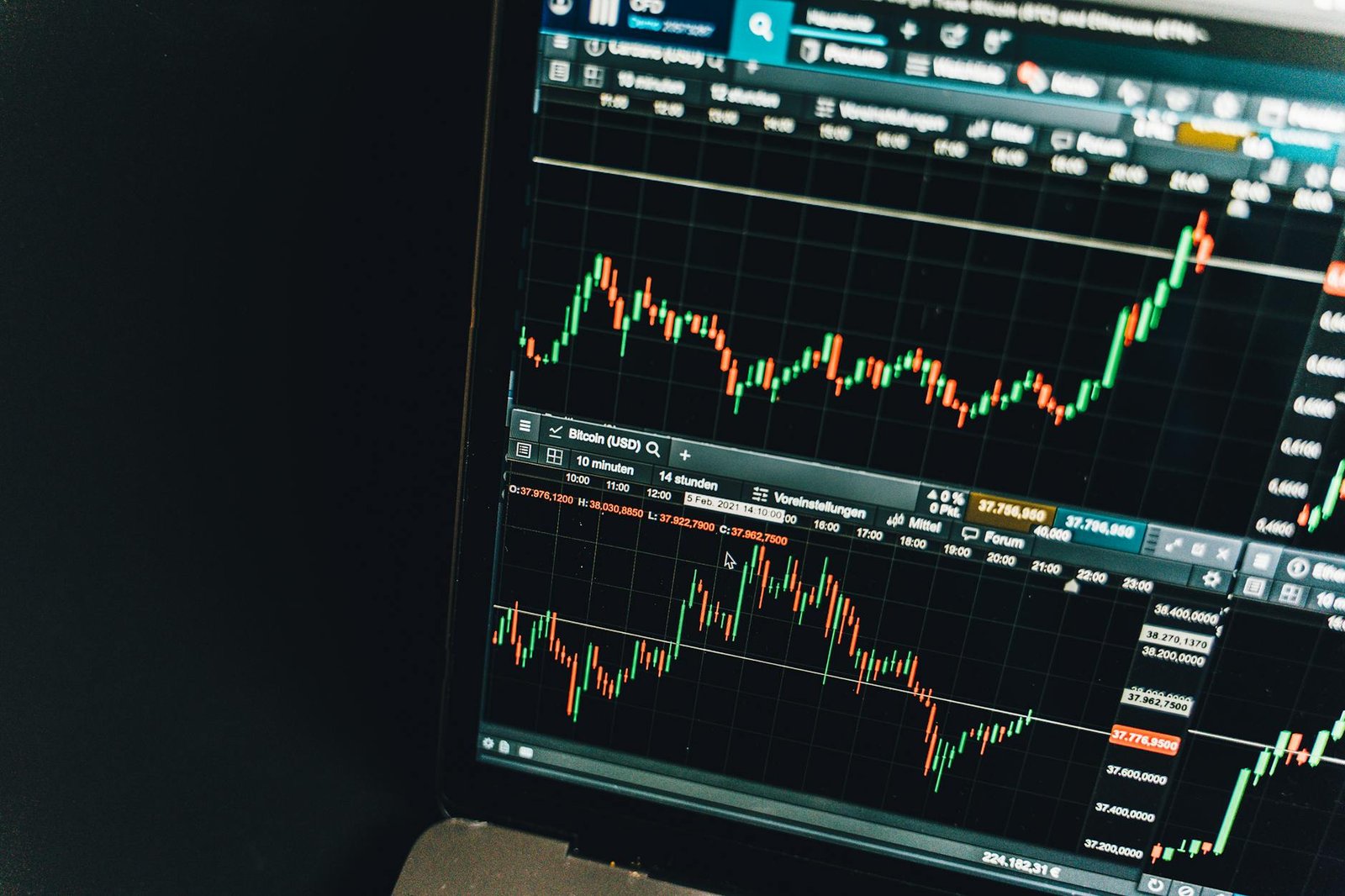
From a technical perspective, Bitcoin’s drop below $65,000 is significant. This level was a key support point, and its breach could signal further downward pressure. Analysts are closely watching for a test of the next major support level around $62,000. The Relative Strength Index (RSI) also indicates that Bitcoin is currently in an oversold condition, which could lead to a short-term rebound if buyers step in.
Implications for the Crypto Ecosystem
The broader crypto ecosystem is not immune to these external factors. Altcoins and other digital assets are also experiencing volatility, with many following Bitcoin’s downward trajectory. This market downturn serves as a reminder of the interconnectedness of the crypto market with traditional financial markets and global events. Institutional investors, who have increasingly embraced digital assets, are likely to reassess their positions in light of the current market conditions.
Looking Ahead
As the market continues to digest the implications of the new tariff regime and the Iran conflict, the next few weeks will be crucial for Bitcoin and the broader crypto market. Investors will be closely monitoring any developments that could provide clarity or resolution to these issues. In the meantime, the resilience of Bitcoin and the crypto market will be put to the test, and the ability to weather these storms will be a key factor in determining the long-term trajectory of digital assets.
About the Author