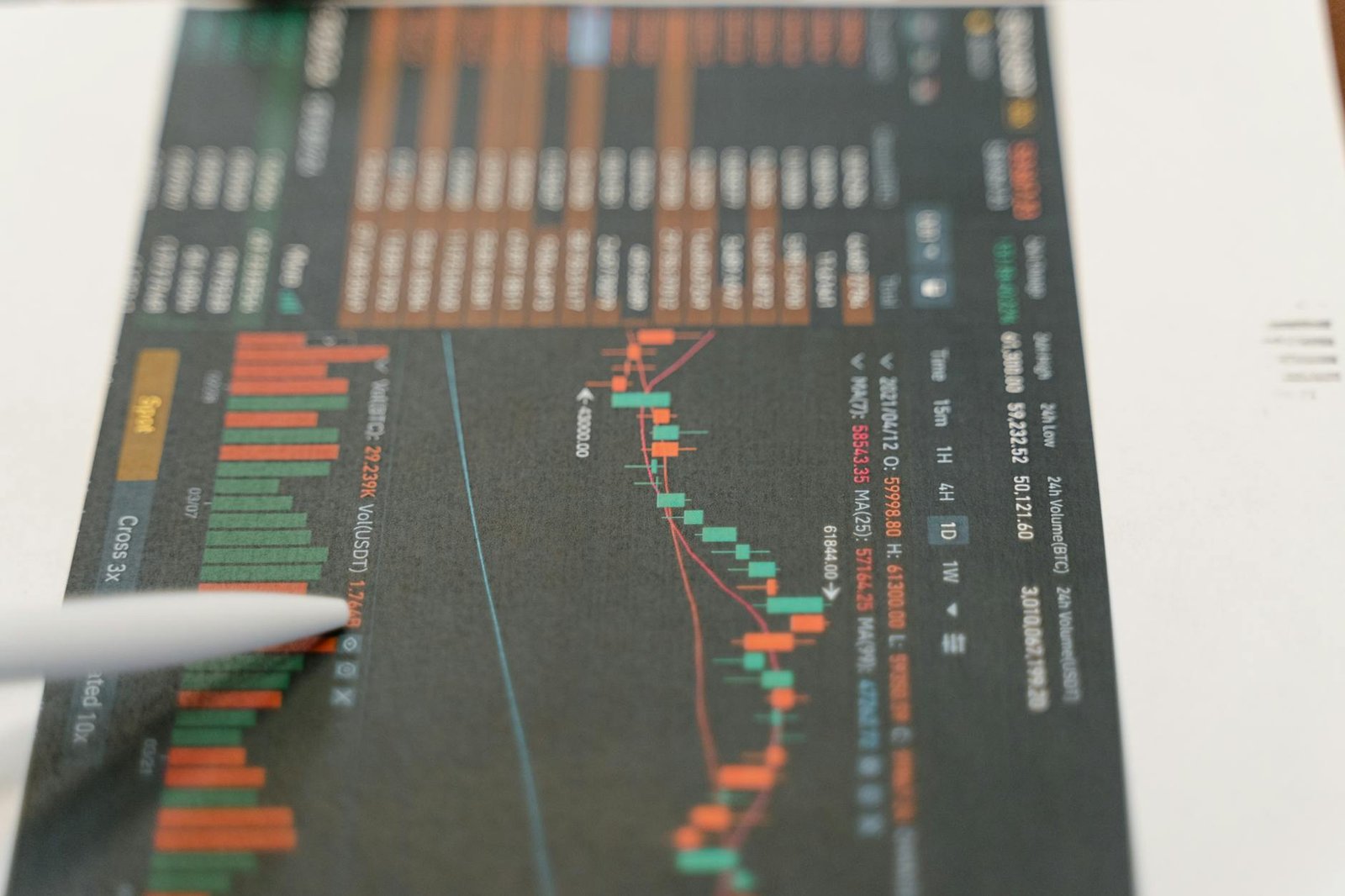
The price of Bitcoin (BTC) dipped below $63,000 on Tuesday, extending its overnight decline and raising concerns among investors. The drop comes amid renewed market jitters over potential tariff impacts from the previous administration, adding to the list of factors weighing on the world’s largest cryptocurrency.
The weekly candlestick chart of Bitcoin reveals a telling pattern: the 50-week moving average has now fallen below the 100-week moving average, a bearish signal that has historically marked the bottom of Bitcoin’s bear markets. However, it’s important to note that while historical patterns can offer guidance, they are not a guarantee of future performance.
Market Sentiment and Technical Analysis
Technical analysts often look to moving averages as key indicators of market momentum. When the 50-week moving average crosses below the 100-week moving average, it is known as a ‘death cross,’ signaling a potential shift from a bull to a bear market. This crossover is a lagging indicator, meaning it confirms a trend that has already begun rather than predicting future movements.
Despite the bearish signal, some market participants argue that the current dip could be a buying opportunity. Historically, Bitcoin has shown resilience and the ability to bounce back from significant corrections. The cryptocurrency’s volatility, while daunting for some, is a double-edged sword that can reward those who are willing to ride out the storm.
Broader Market Context
The recent decline in Bitcoin is not occurring in isolation. The broader financial markets are grappling with a range of issues, including inflation concerns, geopolitical tensions, and the ongoing impact of global economic policies. The tech sector, in particular, has been hit hard, with major players like IBM suffering double-digit percentage drops due to fears over artificial intelligence (AI) and its implications for the job market.
For Bitcoin, the confluence of these external factors has created a challenging environment. However, the cryptocurrency’s unique position as a decentralized digital asset means it often moves independently of traditional financial markets. This decoupling can be a source of strength, as Bitcoin has the potential to serve as a hedge against economic uncertainty and inflation.
Looking Ahead
As Bitcoin continues to navigate the current market turbulence, investors will be closely watching for signs of a potential bottom. While the ‘death cross’ is a bearish signal, it is by no means a definitive indicator of further declines. Instead, it serves as a reminder of the importance of risk management and long-term perspective in cryptocurrency investing.
In the coming weeks, market sentiment and broader economic conditions will play a crucial role in determining Bitcoin’s trajectory. For those who believe in the long-term potential of cryptocurrencies, the current dip may present an opportunity to accumulate at lower prices. However, for those who are more risk-averse, it may be prudent to wait for more concrete signs of a market bottom before making significant investments.
Regardless of the short-term fluctuations, the fundamental drivers of Bitcoin’s value—such as its limited supply, growing institutional adoption, and increasing use cases—remain intact. As the cryptocurrency ecosystem continues to evolve, Bitcoin’s role as a store of value and a medium of exchange is likely to become even more pronounced.
About the Author