A high-stakes crypto trader has suffered a significant loss of $8.2 million after a leveraged bet on the ARC perpetuals market unraveled on the decentralized derivatives platform Lighter. The incident has once again brought the spotlight on the risks associated with leveraged trading and the challenges of maintaining liquidity on decentralized exchanges (DEXs).
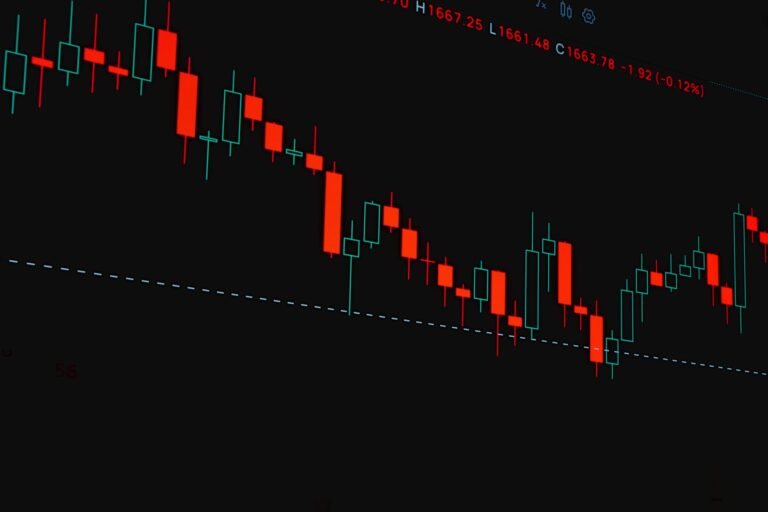
The trader, referred to as a ‘whale,’ built a substantial long position over several days, pushing the total open interest in the ARC market to around $50 million. Approximately 600 other traders and market makers took the opposite side, betting against the whale. However, when the price of ARC began to drop sharply around 6:00 pm ET on Wednesday, the whale’s position began to unravel.
Market Turbulence and Liquidity Management
About $2 million of the whale’s position was liquidated on the order book, and the remaining position was moved into Lighter’s liquidity provider pool (LLP), which handles high-risk trades. The platform then activated auto-deleveraging (ADL) to manage the risk, partially closing some profitable short positions to safely unwind the whale’s large long position.
At one point, the LLP briefly absorbed about 200 million ARC, worth $14.7 million, before the position was further reduced as prices continued to fall. Despite the significant loss, Lighter’s risk management measures ensured that liquidity provider losses were limited to around $75,000, thanks to the isolation of the ARC market in a separate risk bucket.
New Safeguards Implemented
In the aftermath of the incident, Lighter has introduced new safeguards to prevent similar occurrences. The platform has implemented a $40 million open interest cap on the ARC market and moved the trading pair under a capped liquidity strategy with about $100,000 USDC in allocated capital. If this liquidity is exhausted, the system will automatically transition to ADL to close the risk.
“In the end, the big long trader lost around 8.2M USDC, LLP lost 75k, and the short traders who took the risk of betting against this position were profitable,” Lighter wrote in a series of posts on X.
Broader Implications for Decentralized Trading
This incident is not isolated and highlights ongoing concerns over price manipulation and liquidity management on decentralized trading platforms. In August last year, four whales were accused of manipulating the price of Plasma (XPL) on Hyperliquid, causing the asset to jump about 200% within minutes. Similarly, in June, DeFi protocol Resupply suffered a security breach in its wstUSR market, resulting in $9.6 million in losses after an attacker manipulated prices through its integration with the synthetic stablecoin cvcrvUSD.
These events underscore the need for robust risk management and regulatory oversight in the decentralized finance (DeFi) space. As the DeFi ecosystem continues to grow, exchanges and protocols must prioritize security and transparency to build trust and protect users from market manipulation and liquidity crises.
Looking Forward
The crypto community and regulatory bodies are increasingly focusing on the need for better risk management tools and more stringent regulatory frameworks. Platforms like Lighter are taking proactive steps to enhance their systems, but the broader DeFi ecosystem must also adapt to the evolving challenges. As the market matures, users can expect to see more sophisticated risk management features and greater transparency, which will ultimately contribute to a more stable and secure trading environment.
About the Author