
Bitdeer Invests $36 Million in First US Sealminer Factory as Bitcoin Mining Margins Stay Tight
Bitdeer has begun construction on a $36 million electronics manufacturing facility in Sparks, Nevada, its first U.S. assembly site for Sealminer machines.

Key Takeaways
- Bitdeer is building a $36M Nevada plant to produce 10,000 Sealminer units monthly by 2026.
- Sealminer efficiency targets weak mining margins as hashprice stays near historic lows.
- Bitdeer is expanding U.S. manufacturing and AI infrastructure to strengthen long-term growth.
Bitdeer Targets 10,000 Monthly Sealminer Units With New $36 Million Nevada Factory
Bitdeer is moving ahead with a major U.S. manufacturing push, breaking ground on a $36 million advanced electronics facility in Sparks, Nevada, even as bitcoin mining economics remain near historic lows.
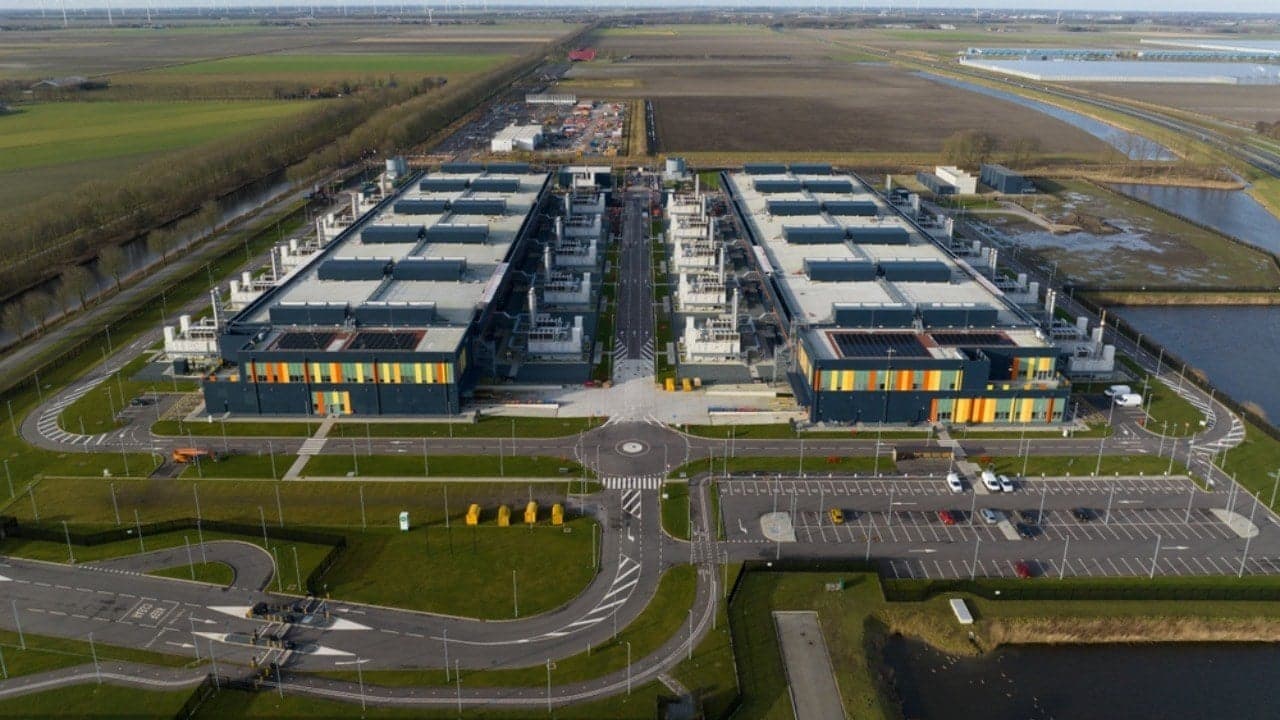
The 187,000-square-foot plant will be the company’s first domestic manufacturing and assembly site in the U.S. It is expected to be completed by the end of 2026 and is designed to produce 10,000 Sealminer units per month.
Bitdeer said the project will create about 70 local jobs across engineering, skilled technician and support roles. The facility will expand the company’s U.S. footprint beyond mining and data centers, adding a domestic production base for its proprietary mining machines.
“Producing our advanced Sealminer units right here in Nevada reflects our long-term commitment to building capacity and nurturing the talent necessary to support our growing digital infrastructure operations in America,” remarked Paul Hanson, Chairman of Bitdeer Industrial.
Vertical Integration During a Mining Slump
The timing is notable. Bitcoin miners are still dealing with weak hashprice, a key measure of mining revenue per unit of computing power.
Spot hashprice was recently around $29.81 per PH/s/day, after touching a daily low of $27.89 on Feb. 24. March also marked a record-low monthly average of $31.27, according to industry data.
The pressure reflects several factors: the April 2024 halving, rising network hashrate, and low transaction-fee revenue. Together, they have reduced revenue for miners using the same amount of computing power.
At these levels, profitability is increasingly concentrated among operators with cheap power and newer, more efficient machines.
Bitdeer is trying to address that pressure through vertical integration. The company has been developing its own Sealminer hardware and deploying the machines across its self-mining fleet.
Catherine Guo, CEO of Bitdeer Industrial, commented that the Sparks plant reflects the company’s contribution to Nevada’s diversifying economy.
“Our commitment underscores the state’s strategic advantages, including a highly accessible and skilled workforce, robust logistics networks, and a consistently business-friendly environment,” Guo said.
U.S. Expansion Meets AI Demand
The Nevada facility will complement Bitdeer’s existing U.S. data centers and its innovation hub in San Jose, California.
The project also comes as Bitdeer expands across mining and AI infrastructure. In its May operating update, the company reported 70.2 EH/s of self-mining hashrate, 921 bitcoin mined during the month, and about $69 million of annualized recurring revenue from its AI Cloud business.
Bitdeer also said it was in advanced talks with a potential colocation tenant at its Tydal, Norway site. That follows a broader industry trend in which miners are exploring AI and high-performance computing uses for power-rich data center assets.
The facility is expected to begin contributing to Bitdeer’s manufacturing capacity as the mining hardware market becomes more selective. Weak hashprice can slow equipment demand, but it can also push well-capitalized miners to replace older machines with more efficient models.


Tags in this story
About the Author