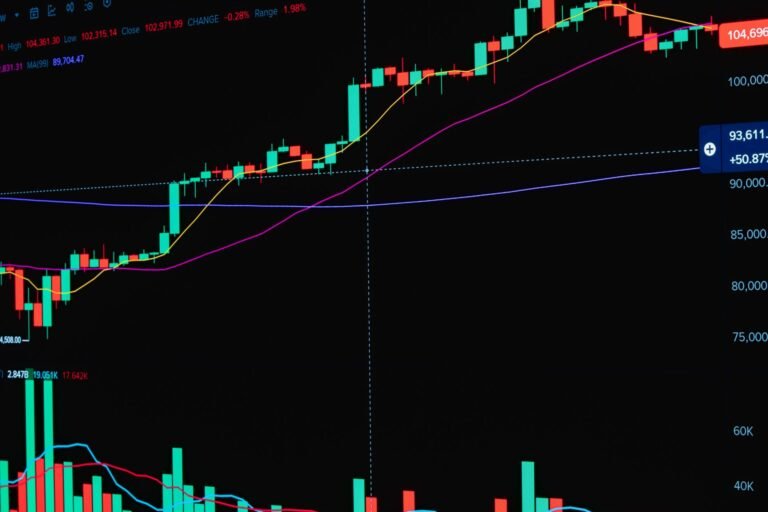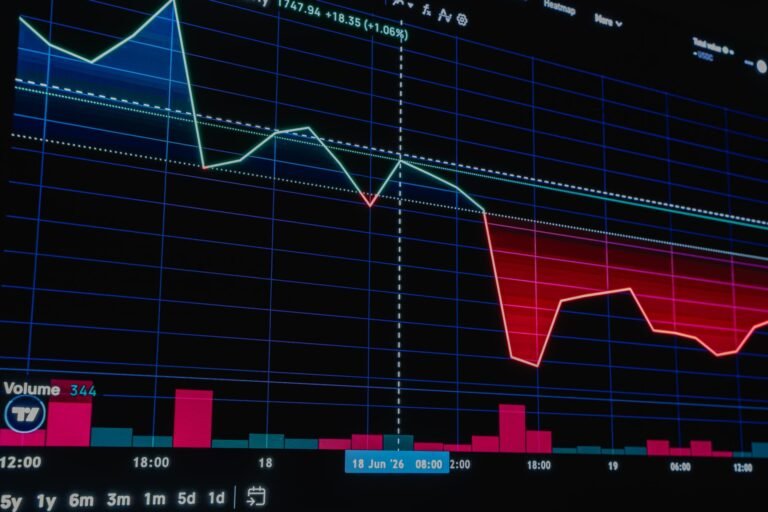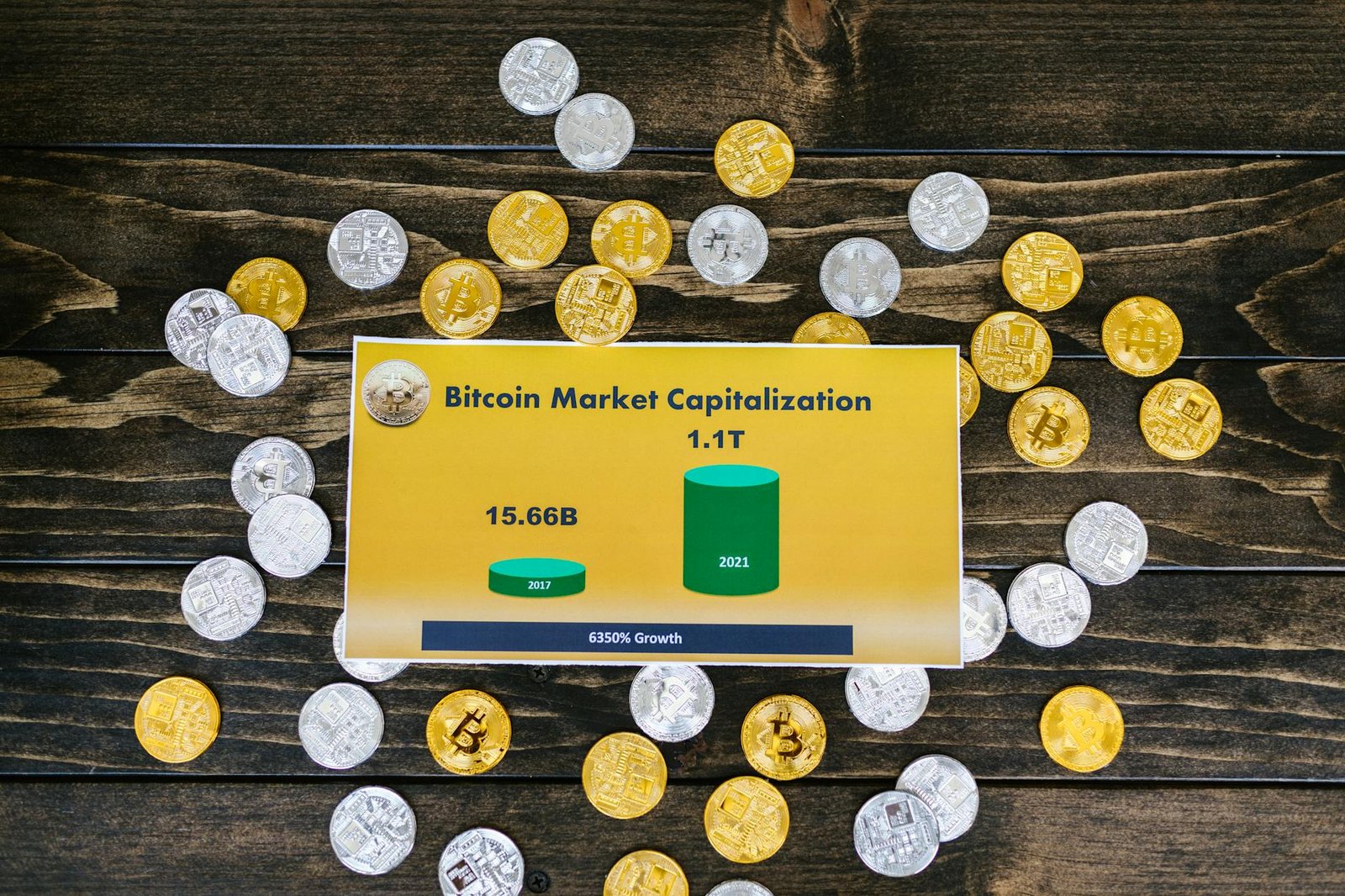
Bitcoin’s recent momentum has been halted as U.S. stocks took a nosedive and gold surged, reflecting a shift in investor sentiment amidst growing macroeconomic uncertainties. The digital asset’s price movements are now closely intertwined with broader market dynamics, as concerns over credit stress, inflation, and geopolitical tensions continue to mount.
Market Context and Investor Sentiment
The U.S. stock market’s decline on February 27, 2026, underscored the fragility of investor confidence. A combination of factors, including a higher-than-expected Producer Price Index (PPI) and rising tensions between the U.S. and Iran, has led to a flight to safety. Gold, a traditional haven in times of economic uncertainty, has seen a significant surge in demand, while Bitcoin, which has often been viewed as a digital store of value, has failed to capitalize on this sentiment.
Credit Stress and Inflation Concerns
The recent PPI report, which showed a higher-than-expected increase in producer prices, has heightened concerns about inflation. This has put pressure on the Federal Reserve to maintain a tighter monetary policy, which could further dampen economic growth. The resulting credit stress has made investors wary of riskier assets, including cryptocurrencies like Bitcoin.
Geopolitical Tensions Add to Market Volatility
The ongoing tensions between the U.S. and Iran have added another layer of uncertainty to the global financial landscape. Geopolitical risks can have a significant impact on market sentiment, as they introduce the possibility of supply chain disruptions, higher oil prices, and broader economic instability. These factors have contributed to the recent pullback in both Bitcoin and U.S. equities.
Bitcoin’s Role in the Current Market Environment
Bitcoin’s performance in this volatile market environment is a testament to its evolving role in the financial ecosystem. While it has shown periods of resilience and even outperformance during previous market downturns, the current macroeconomic headwinds have presented a more challenging backdrop. The digital asset’s correlation with traditional risk assets, such as stocks, has increased, making it less of a safe haven in times of market stress.
However, some analysts remain bullish on Bitcoin’s long-term prospects. They argue that the asset’s limited supply and growing institutional adoption could provide a foundation for future gains. The ongoing development of the Bitcoin ecosystem, including advancements in blockchain technology and the expansion of decentralized finance (DeFi) platforms, could also contribute to its resilience and appeal.
Looking Forward
As the market continues to navigate these macroeconomic challenges, the performance of Bitcoin and other cryptocurrencies will likely remain closely tied to broader economic indicators. The coming weeks and months will be crucial in determining whether the digital asset can regain its momentum or if it will continue to face headwinds. For now, investors are advised to remain cautious and monitor key economic data and geopolitical developments closely.
About the Author