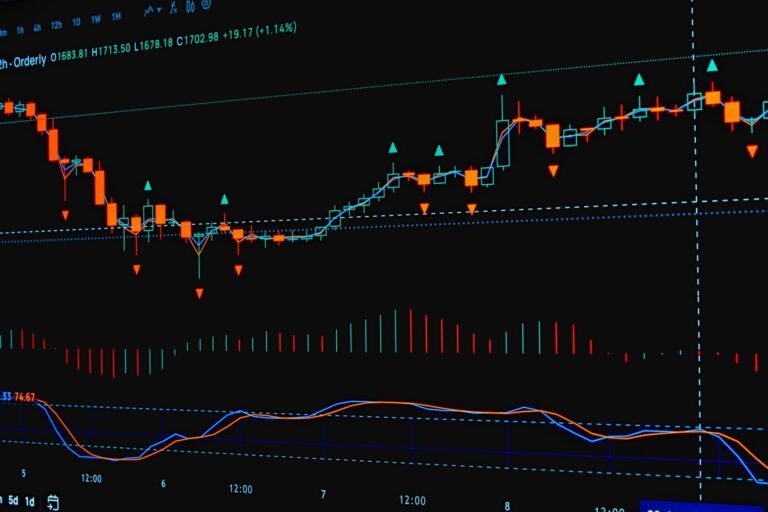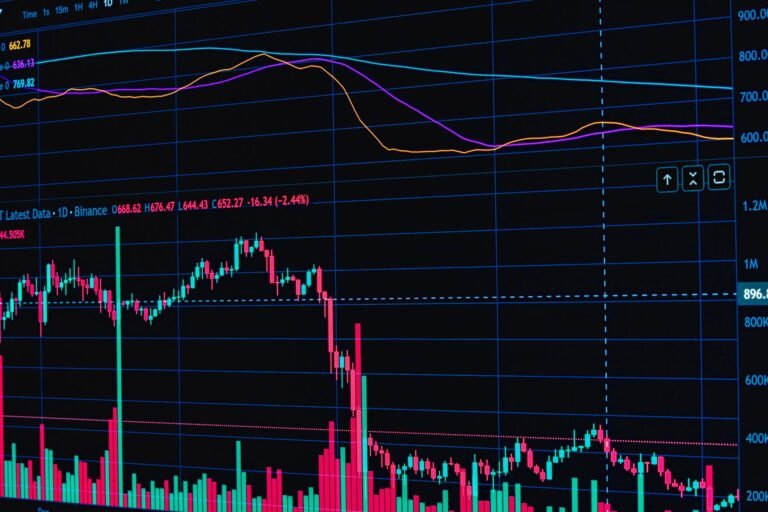
In a significant shift, UBS has downgraded US stocks to neutral, citing high valuations, a weakening dollar, and policy risks. This move could accelerate capital rotation into Bitcoin (BTC), especially if major sovereign funds begin to hold BTC reserves. The Bitcoin price dipped below $65,500 on Friday, following a sharp correction that mirrored intraday movements in the S&P 500 after the release of wholesale inflation data.
UBS Downgrades US Stocks: Implications for Bitcoin
The UBS report, which downgraded US stocks to neutral, highlighted several key concerns: high valuations, a weak dollar, and the uncertainty surrounding US policy. The report noted that US equities are trading 35% above global peers, a significant premium compared to the historical average of 4%. Analysts also pointed to the diminishing effectiveness of corporate buybacks in sustaining stock prices.
Market Sentiment and Bitcoin Adoption
Despite these challenges, the report is not a doomsday prediction. UBS still projects a year-end S&P 500 target of 7,500, indicating a cautious but not entirely pessimistic outlook. However, the limited upside for the S&P 500 could push investors to seek alternative assets, with Bitcoin emerging as a strong contender.
The recent decline in the US 10-year Treasury yield to 3.97% from 4.21% over a three-week period signals a growing risk-averse sentiment among investors. This shift is particularly notable given the positive surprises in corporate earnings, which have not been enough to offset broader market concerns.
Bitcoin’s Role in the New Market Landscape
Bitcoin’s long-term trajectory is unlikely to remain closely tied to the technology sector, despite the current correlation. The cryptocurrency’s potential as a store of value and a hedge against inflation remains a key attraction. Institutional adoption, particularly through the announcement of strategic BTC reserves by major companies or sovereign funds, could significantly boost market sentiment.
The Case for Bitcoin
Even a 52% rally in Bitcoin to $100,000 would result in a market capitalization of just $2 trillion, a fraction of the $36.5 trillion market cap of gold, the current leader in store-of-value assets. This makes Bitcoin an attractive option for investors looking to diversify their portfolios, especially if the US equity market fails to deliver substantial gains.
Looking Ahead: The Future of Bitcoin and US Equities
The potential for capital rotation from US stocks to Bitcoin is not just a short-term trend but could signal a broader shift in investor preferences. As the US equity market faces structural challenges, Bitcoin’s unique properties as a decentralized and transparent asset could become even more appealing.
However, the timing and scale of this shift remain uncertain. Major institutional announcements of Bitcoin adoption, such as Tesla’s significant BTC position, have historically driven positive sentiment. Until then, the onchain decoupling from the US stock market is likely to remain limited, but the groundwork for a more significant move is being laid.
For now, investors should keep a close eye on both the US equity market and the Bitcoin market. The interplay between these two could provide valuable insights into the broader economic landscape and the future of digital assets.
About the Author