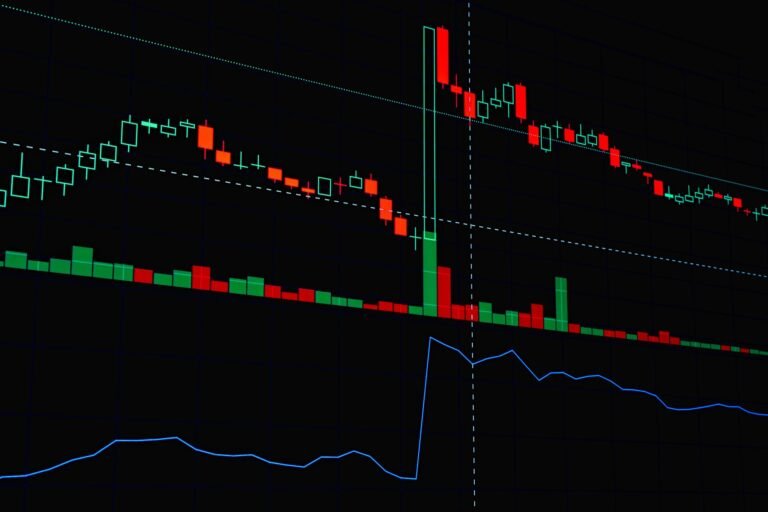
The notorious four-year boom-and-bust cycle of Bitcoin may be waning as institutional demand, deeper liquidity, and changing ownership patterns reshape the cryptocurrency’s role in investment portfolios, according to a new analysis by Fidelity Investments.
Shifting Dynamics in the Bitcoin Market
Fidelity’s insights suggest that Bitcoin is no longer just a speculative asset for short-term traders but is increasingly being viewed as a core component of long-term investment strategies. This shift is driven by several key factors, including the growing acceptance of Bitcoin by institutional investors, the development of more robust infrastructure, and a broader understanding of the asset’s potential as a hedge against inflation and market volatility.
Institutional Adoption on the Rise
One of the most significant drivers of this change is the increasing institutional adoption of Bitcoin. Major financial institutions, such as Fidelity, are now offering Bitcoin-related products and services, which has helped to legitimize the asset and make it more accessible to a wider range of investors. This trend is expected to continue as more companies explore the integration of Bitcoin into their portfolios.
Deeper Liquidity and Market Maturity
Another critical factor is the improvement in market liquidity. As more participants enter the Bitcoin market, the depth of liquidity has increased, reducing the impact of large trades and making the market more stable. This stability is crucial for institutional investors who require a certain level of predictability and reliability in their investments.
Changing Ownership Patterns
The ownership patterns of Bitcoin are also evolving. While retail investors have historically been the primary drivers of Bitcoin’s price movements, institutional investors are now playing a more significant role. This shift in ownership is expected to contribute to a more balanced and sustainable market, reducing the volatility associated with retail-driven price swings.
Implications for Investors
For investors, the evolving role of Bitcoin presents both opportunities and challenges. On one hand, the asset’s increasing acceptance and the development of a more mature market infrastructure make it an attractive option for diversification and risk management. On the other hand, the ongoing regulatory scrutiny and the potential for market manipulation remain concerns that investors must navigate.
Forward-Looking Insights
As the Bitcoin market continues to mature, it is likely that we will see further institutional adoption, more sophisticated investment products, and a broader acceptance of the asset as a long-term portfolio staple. Fidelity’s analysis suggests that Bitcoin is well on its way to becoming a core component of diversified investment strategies, offering investors a unique opportunity to participate in the growth of digital assets while managing risk.
In conclusion, the transformation of Bitcoin from a speculative trade to a long-term portfolio asset is a significant development in the world of finance. As the market continues to evolve, investors should remain informed and consider the potential benefits and risks associated with incorporating Bitcoin into their investment strategies.
About the Author