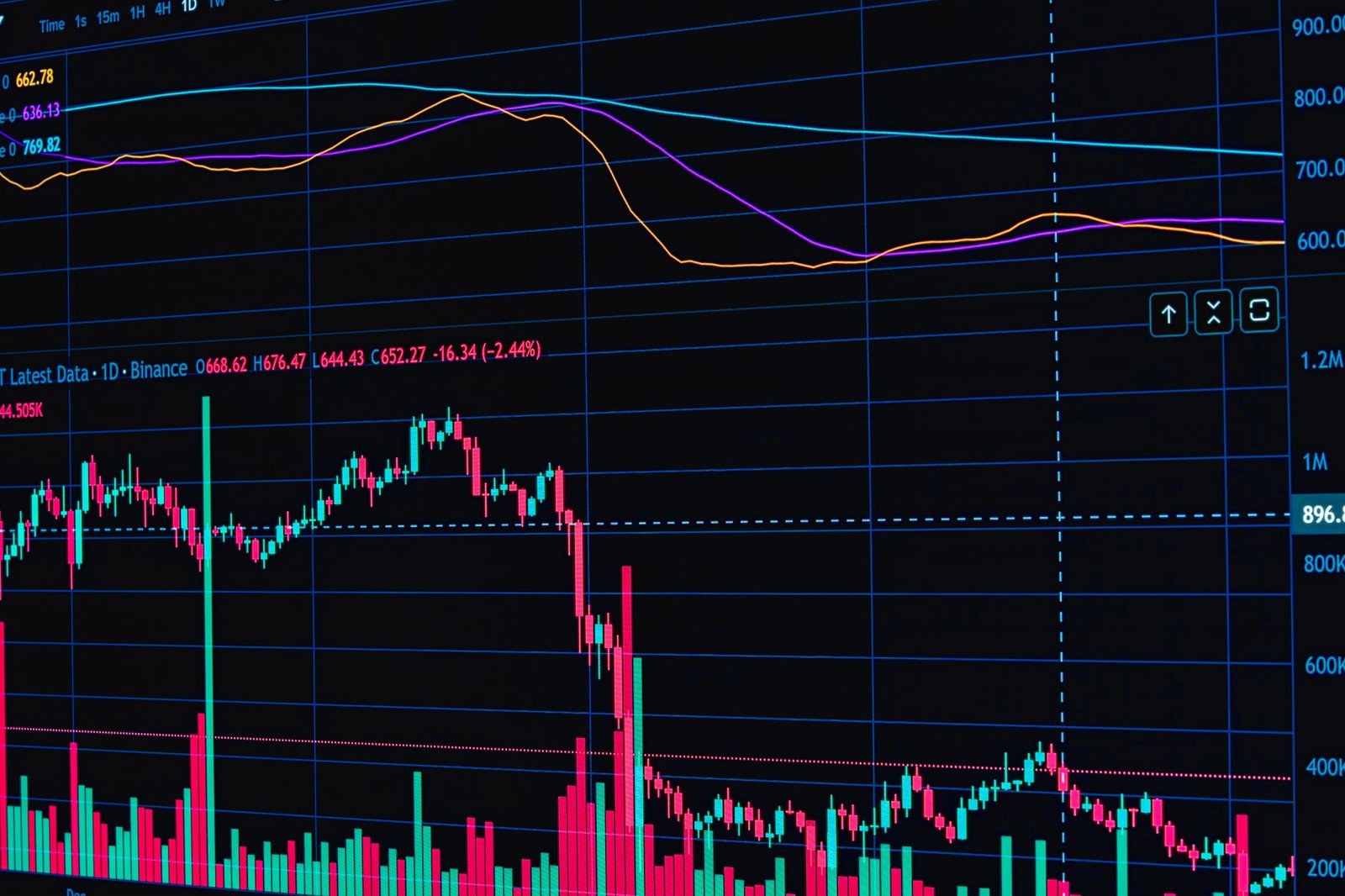
Bitcoin experienced a dramatic plunge on the last day of July, shedding nearly $3,000 in just 12 hours and reaching a low of $62,369. The sharp sell-off not only wiped out $100 million in long bets but also significantly impacted the cryptocurrency’s monthly gains, reducing them from 10% to 4.5%.
The market’s volatility was further exacerbated by the Federal Reserve’s decision to hold interest rates steady, which initially provided a brief boost to Bitcoin’s price. However, this momentum was quickly reversed as traders began to reassess the broader economic landscape and the lack of progress on key regulatory measures, such as the CLARITY Act in the U.S. Senate.
The Market’s Sudden Shift
Bitcoin initially traded just off $65,000, showing promise of maintaining the momentum from the Federal Reserve’s decision. Around three hours before midnight, it even breached the $65,000 mark, reaching an intraday peak of $65,340. However, this was the last time it would trade at such levels.
A gradual decline to just under $63,600 was followed by a sharp sell-off that lasted less than an hour, dragging Bitcoin to its lowest point since July 17, at $62,369. While a brief rally brought the price back from the brink of dipping below $62,000, it failed to recoup much of the earlier losses, leaving it with a daily loss of about 3%.
The Impact on Derivatives and Leveraged Bets
The price action was particularly brutal for traders with overleveraged long positions. Market data revealed that $100 million in long bets was liquidated, a significant increase from the $23 million liquidated just 24 hours earlier. The value of short bets liquidated in the same period was nearly $21 million. Overall, the crypto economy saw nearly $360 million in leveraged positions wiped out, with long bets accounting for nearly $235 million, or 65% of the total.
Regulatory Headwinds
The lack of progress on the CLARITY Act in the U.S. Senate also contributed to the market’s downturn. The bill, which aims to provide a clear regulatory framework for cryptocurrencies, has been delayed, reducing its chances of passing in 2026 to about 30%. This is a significant drop from the over 80% passage odds seen in February. The stall in the legislation leaves the crypto market without the regulatory clarity that many analysts say is crucial for sustaining long-term growth.
Looking Forward
While the recent price drop and the liquidation of leveraged positions have sent shockwaves through the crypto community, experts remain cautious. The market’s volatility is a testament to the ongoing uncertainty surrounding regulatory developments and broader economic conditions. As the crypto space continues to mature, the need for a robust and transparent regulatory framework becomes increasingly apparent. Traders and investors will likely be keeping a close eye on any future developments in Washington, as well as the broader economic indicators that could influence Bitcoin’s price in the coming weeks.
About the Author