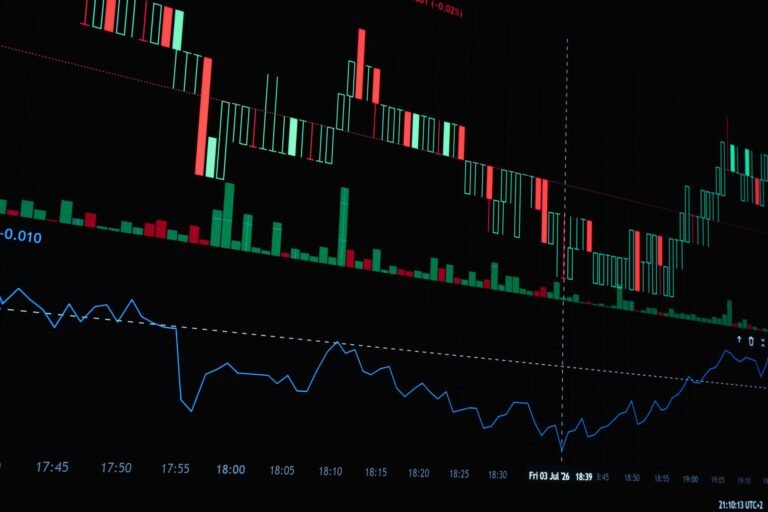
The economic landscape under President Donald Trump’s administration saw significant shifts in key asset classes, with gold, bitcoin, and oil each experiencing unique trends influenced by a mix of political, economic, and global factors.
Gold: A Safe Haven Amidst Turmoil
Gold, often seen as a safe haven during times of economic uncertainty, experienced a notable uptick during Trump’s presidency. The metal’s price saw a steady rise, driven by a combination of lower interest rates, geopolitical tensions, and a weaker U.S. dollar. By the end of Trump’s term, gold prices had climbed to record highs, reflecting the market’s appetite for security in an uncertain economic environment.
Bitcoin: The Rise of Digital Gold
Bitcoin, the pioneering cryptocurrency, also witnessed a dramatic transformation during Trump’s tenure. Initially seen as a speculative asset, bitcoin gradually gained mainstream acceptance, with institutional investors and corporations beginning to allocate a portion of their portfolios to the digital currency. The bull run of 2020-2021, which saw bitcoin’s value soar to unprecedented levels, was fueled by factors such as the Federal Reserve’s expansionary monetary policy and increased interest from tech-savvy investors.
Oil: A Rollercoaster Ride
The oil market, on the other hand, experienced a more volatile journey. Early in Trump’s presidency, oil prices rebounded from the lows of 2016, benefiting from OPEC production cuts and strong global demand. However, the onset of the COVID-19 pandemic in 2020 sent oil prices into a tailspin, with the unprecedented demand shock leading to a historic drop in prices, including a brief period where prices turned negative. Recovery efforts, including production cuts and vaccine rollouts, eventually helped stabilize the market, but the sector’s outlook remained cautious.
Analysis: The Impact of Policy and Global Events
The performance of gold, bitcoin, and oil during Trump’s presidency underscores the complex interplay between policy decisions, global events, and market sentiment. Trump’s trade policies, tax reforms, and deregulatory efforts had significant implications for these asset classes. For instance, the trade war with China and increased geopolitical tensions contributed to the rise in gold prices, while the Fed’s accommodative monetary policy provided a tailwind for bitcoin. Conversely, the oil market’s volatility highlighted the sector’s sensitivity to global economic conditions and public health crises.
Looking ahead, the post-Trump era is likely to bring new challenges and opportunities for these asset classes. The Biden administration’s focus on climate change and renewable energy could impact the oil sector, while continued economic uncertainty may keep gold and bitcoin as attractive investment options. As investors navigate the evolving landscape, the lessons from the Trump years will undoubtedly shape their strategies and expectations.
About the Author