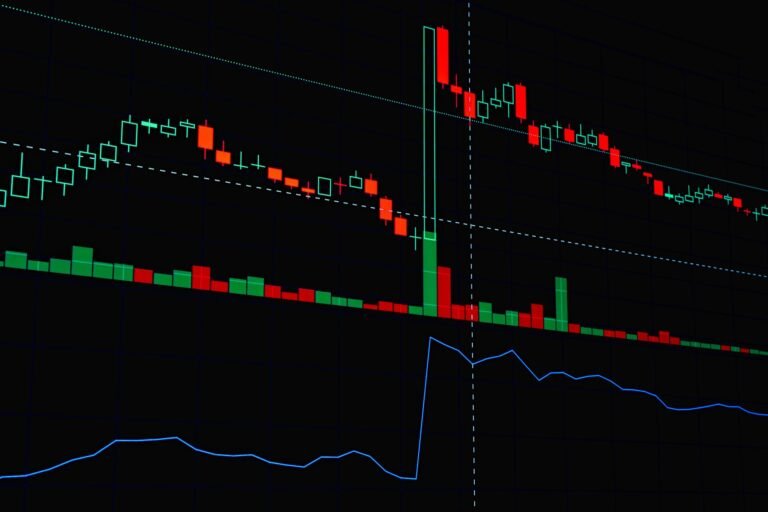
Bitcoin (BTC) is on track for its steepest first-quarter decline since 2018, with a current drop of 22.3% from its January high of around $87,700 to its current price of approximately $68,000, according to data from CoinGlass. This marks a significant setback for the leading cryptocurrency, which has seen a tumultuous start to the year, losing over $20,000 in value in just a few months.
A Historical Perspective on Bitcoin’s Q1 Performance
Historically, Bitcoin has experienced volatile Q1s, with declines recorded in seven of the past thirteen years. Notably, the most significant Q1 drops occurred in 2018, when the asset fell 49.7%, and in 2020 and 2025, with losses of 10.8% and 11.8%, respectively. The current decline, while steep, is part of a broader pattern of first-quarter volatility that analysts and traders have come to expect.
Comparing Bitcoin and Ether’s Q1 Performance
While Bitcoin is on track for its worst Q1 since 2018, Ether (ETH) is also experiencing a challenging start to the year. Ether has seen losses of 34.3% so far, making it the asset’s third-worst Q1 performance historically. However, compared to Bitcoin, Ether has fared better in the past, with only three of the past nine first quarters showing losses.
First-Ever Red January and February for Bitcoin
Adding to the bearish sentiment, Bitcoin is poised to see its first-ever consecutive January and February in the red. The asset lost 10.2% in January and is currently down 13.4% in February. To avoid a red February, Bitcoin would need to reclaim the $80,000 mark, a significant challenge given the current market conditions.
Expert Analysis: A Correctional Phase or a Structural Breakdown?
Nick Ruck, the director of LVRG Research, believes that the ongoing decline in Bitcoin’s price is a regular correctional phase rather than a structural breakdown. “While short-term pressures could intensify if macroeconomic headwinds persist, historical patterns show Bitcoin’s resilience often leads to strong recoveries in later months, particularly as institutional adoption and halving cycle dynamics continue to strengthen its potential,” Ruck explained.
Daan Trades Crypto, a well-known analyst, echoed this sentiment, noting that the first quarter’s volatile nature does not necessarily translate to long-term trends. “Whatever happens in Q1 does not generally translate over further down the line, according to the historical price action,” he observed.
Looking Ahead: What’s Next for Bitcoin?
Despite the current downturn, many experts remain optimistic about Bitcoin’s long-term prospects. The cryptocurrency’s resilience and the continued interest from institutional investors suggest that the current correction may be a buying opportunity for those with a long-term investment horizon. As the market continues to navigate global economic uncertainties, the focus will likely shift to factors such as regulatory developments, technological advancements, and macroeconomic conditions that could influence Bitcoin’s future performance.
About the Author