153 Million Driver’s License Leak Sparks Explosive KYC Backlash
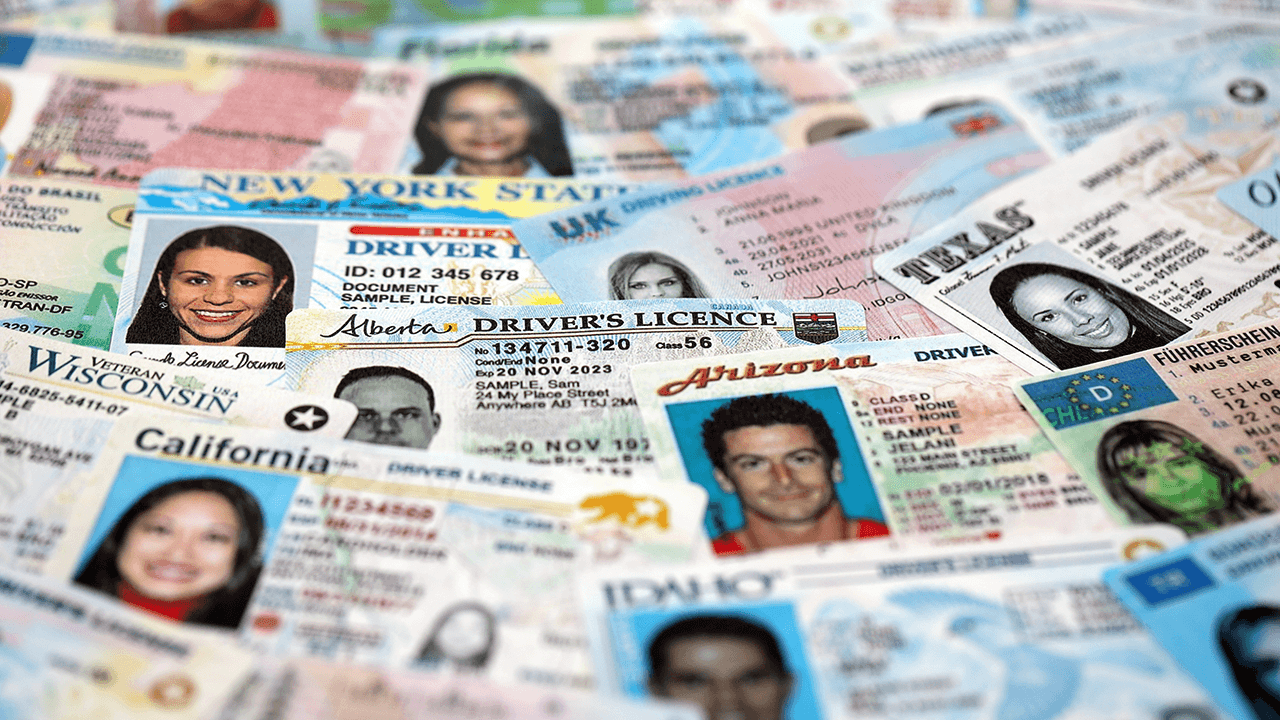
This week, the crypto community is discussing how cybersecurity experts from Krebs on Security’s researcher and journalist Brian Krebs, have discovered a dark web service known as Nexus claiming to be selling scans of more than 153 million driver’s licenses from people living in the U.S. and Canada. The conversation has sparked an outcry against Know Your Customer (KYC) policy and how it threatens everyday people.

Key Takeaways
- Nexus claims it’s sitting on a significant 153 million U.S. and Canadian driver’s license records and a trove of other documents too.
- Venice.ai and Shapeshift founder Erik Voorhees slammed the KYC model as the alleged leak sparked a great deal of outrage across crypto and fintech proponents.
- The FBI reportedly opened an inquiry Sept. 1, but where the data came from and how big this thing really is are still up in the air.
Nexus Claims 153 Million Driver’s Licenses Are Up for Sale
On Aug. 31, the cybersecurity journalist Brian Krebs was alerted to a new dark web identity theft service. The deep web platform is called Nexus, and it was reportedly advertised on the Russian-language forum known as Exploit. According to the Krebs story, 153 million driver’s licenses from U.S. and Canadian citizens are being sold. Alongside this, millions of other identity documents are also available for purchase.
On Sept. 1, Krebs also wrote that the team “has learned that the New Orleans field office of the Federal Bureau of Investigation (FBI) today launched an official inquiry into the source of the images.”
Nexus claims to hold 153,347,439 driver’s license records from people from both countries. Also, the dark web sellers say they have 10,335,678 identification card records, 3,304,030 travel documents and passports, and 579,000 medical cards too. Reports say that the bulk of the records were of American individuals. At the same time, Krebs also verified the authenticity of these scans with people’s permission, and real individuals were discovered.
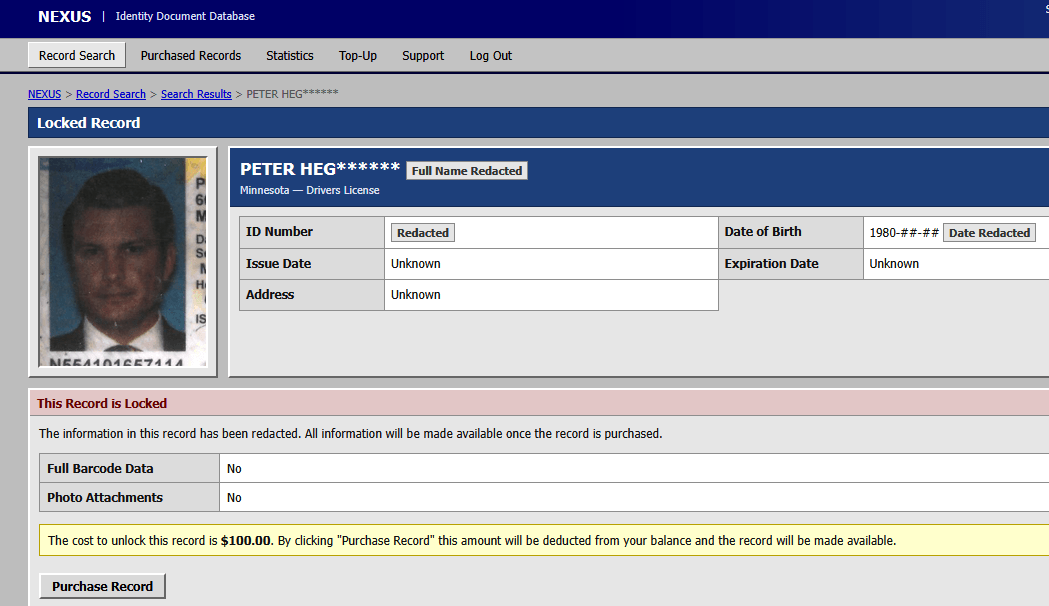
The cybersecurity report said that the licenses were both front and back shots, and many contained infrared and ultraviolet versions. The thieves also bragged that the allotment of scans contained an ID for U.S. Defense Secretary Pete Hegseth, specifically his driver’s license.
Crypto Voices Erupt Over KYC After Massive Identity Leak
The leak and discovery have been a trending topic on social media platforms like X, Facebook, and Reddit. Members of the crypto community are also sharing their two cents. Venice.ai and Shapeshift founder Erik Voorhees slammed Know Your Customer (KYC) regulations. “KYC is a bullsh** scam that endangers millions of innocent people so that regulators can feel as if they’re providing value to the world,” Voorhees remarked on X about the U.S. and Canadian driver’s license leak.
The popular crypto account on X known as TFTC stated: “KYC and AML policy does far more to put innocent people in harm’s way than it does to catch criminals. Motivated criminals route around compliance with stolen identities, mules, shell companies, and corrupt insiders. The law-abiding person does what the screen tells him. Scans his license. Then his face. Then trusts a company he’s never heard of because a rental counter or exchange demanded it.”
“The criminal gets another obstacle to route around. The innocent person gets added to another honeypot.”
Speaking with the Hawaii Tribune Herald news outlet, threat researcher Zach Edwards of Infoblox called the incident unprecedented. “There’s never been a breach of driver’s licenses at this scale,” the researcher insisted. He also argued that the breach “created legitimate national security risks for high-profile individuals.”
FBI Inquiry Leaves Millions Waiting for Answers
While the FBI commented to some of the cybersecurity researchers, it has not published a formal press release on its official website. Investigators have not disclosed a definitive source of the data or the actual number of driver’s licenses confirmed to be leaked. This leaves millions of Americans and Canadians left guessing. As of writing, it is unknown whether or not federal law enforcement authorities will address this further with a list of affected individuals or organizations.



Tags in this story
About the Author