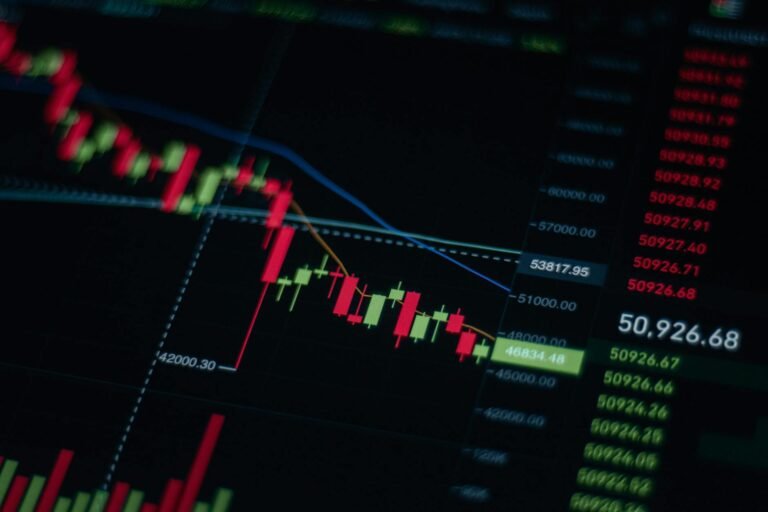
The recent US-Israel attack on Iran has unexpectedly thrust crypto trading platforms into the limelight, showcasing the potential of 24/7 on-chain finance. According to Matt Hougan, chief investment officer of Bitwise Asset Management, the crisis has dramatically accelerated the adoption of blockchain-based trading systems, a shift he previously anticipated would take five to 10 years.
A New Financial Epicenter
During the attack, which occurred at approximately 3:30 AM UTC on Saturday, traditional stock exchanges in the US, Europe, and Asia were closed. However, crypto platforms like Hyperliquid, a crypto perps futures platform, became the primary venue for trading real-world assets such as crude oil and tokenized gold. For much of Sunday, on-chain finance was the center of the financial world, with Hyperliquid alone seeing over $11.5 billion in trading volume across the weekend.
Real-World Impact
The significance of this shift was underscored when Bloomberg cited the Hyperliquid crude oil contract as the most relevant price indicator during the crisis. Tether’s tokenized gold product, Tether Gold (XAUt), also saw a 24-hour trading volume spike to over $300 million. Prediction markets on platforms like Kalshi and Polymarket experienced increased activity as well, further highlighting the growing role of blockchain in real-time financial responses.
Traditional Finance Responds
In January, the New York Stock Exchange (NYSE) and its parent company, the Intercontinental Exchange, announced plans to enable 24/7 trading and instant settlement of stocks and ETFs using a blockchain post-trade system. While no specific timeline or blockchain details were provided, the move signals a significant step towards integrating blockchain technology into traditional financial infrastructure.
Adapting to the New Reality
For hedge funds, banks, and other institutional investors looking to remain competitive, the transition to on-chain finance is no longer optional. Hougan emphasizes that setting up a stablecoin wallet and learning to trade on crypto platforms like Hyperliquid is now a necessity. The 24/7 trading rails offered by blockchain make traditional stock exchanges and T+1 settlement processes seem archaic by comparison.
Looking Forward
The rapid adoption of on-chain finance, catalyzed by real-world events, marks a pivotal moment in the evolution of financial markets. As traditional institutions like the NYSE begin to embrace blockchain, the gap between crypto and traditional finance continues to narrow. The future of finance is likely to be characterized by a seamless integration of blockchain technology, offering more efficient, transparent, and accessible trading systems.
About the Author