US Moves to Forfeit $61M in Crypto Linked to Iran’s Oil Sales
U.S. prosecutors are seeking forfeiture of roughly $61 million in cryptocurrency allegedly generated through sanctioned Iranian oil sales. The assets are tied to a wider network accused of moving more than $1.5 billion in illicit oil proceeds.

Key Takeaways
- U.S. prosecutors seek forfeiture of about $61 million in USDT.
- The broader network allegedly moved more than $1.5 billion.
- Two Chinese companies allegedly used Binance accounts in the scheme.
US Targets $61M in Tether From Alleged Iranian Oil Network
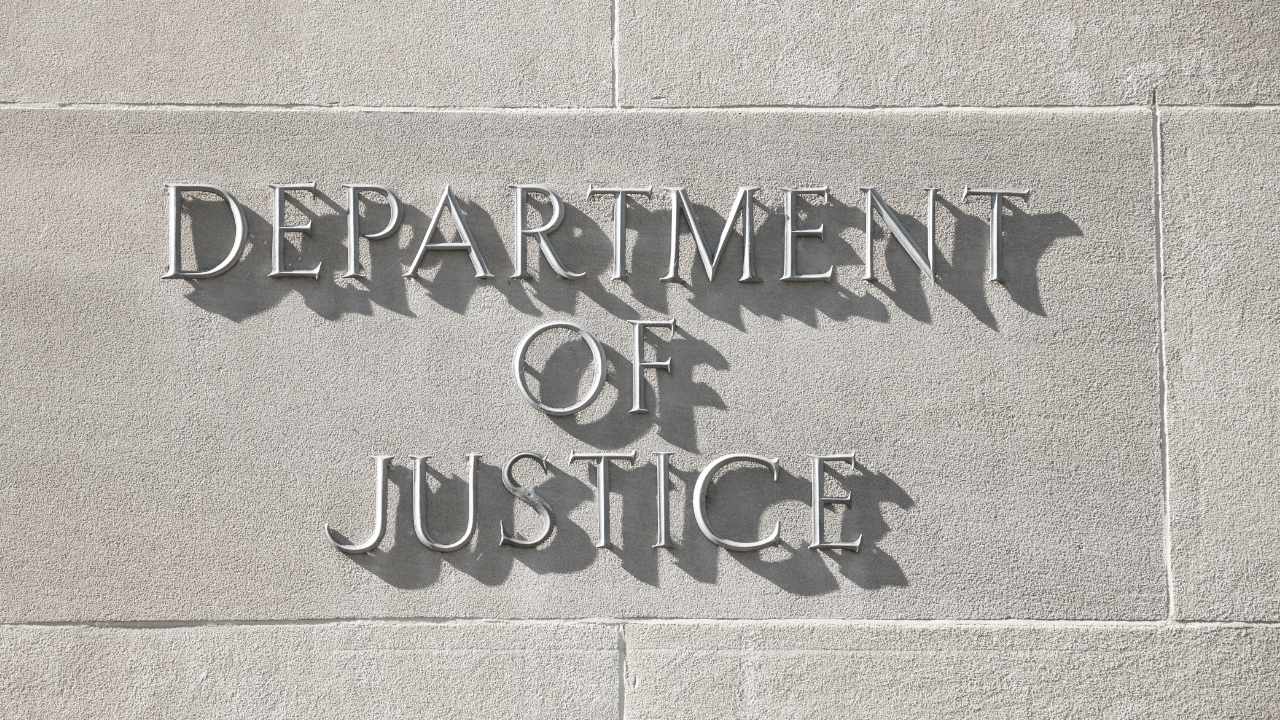
More than $61 million in cryptocurrency could be forfeited to the U.S. government after federal prosecutors traced the assets to alleged black-market sales of Iranian crude oil and petroleum products. The civil forfeiture complaint was filed Sept. 14 by the U.S. Attorney’s Office for the Southern District of New York.
The case targets USDT held across 10 cryptocurrency addresses and alleges that the funds represent proceeds intended to finance the Iranian government and military organizations, including the Islamic Revolutionary Guard Corps (IRGC), a U.S.-designated foreign terrorist organization. The verified forfeiture complaint states that Tether will burn the tokens in the targeted addresses and issue replacement tokens of equivalent value for transfer into U.S. government custody.
Deputy U.S. Attorney Sean S. Buckley linked the targeted assets to a much larger alleged laundering operation:
“As alleged in the complaint filed today, the Government of Iran used a network of cryptocurrency actors in China and elsewhere to launder more than $1.5 billion in illicit oil money intended to benefit the Iranian military and the terror-designated IRGC.”
Prosecutors stressed that the forfeiture complaint contains allegations rather than proven findings. The government must obtain a judgment awarding the assets to the United States before the property is legally forfeited.
Prosecutors Say Chinese Firms Helped Move Oil Proceeds
Two Chinese companies, Blessed Trust and Hexa Whale, allegedly played central roles in converting and moving the oil proceeds. Prosecutors claim both companies used trading accounts at UAE-based crypto exchange Binance to transfer funds to the Iranian government, its agents, or proxies. Blessed Trust also allegedly provided on-ramp services that converted fiat currency into cryptocurrency.
Binance has previously disputed allegations surrounding its exposure to the two entities. In a response to U.S. Senator Richard Blumenthal addressing Blessed Trust and Hexa Whale, the exchange stated that it investigated and removed Hexa Whale in August 2025 and disabled Blessed Trust in January. Binance also maintained that, to its knowledge, no Binance account transacted directly with an entity based in Iran.
The latest filing adds a government allegation that Blessed Trust and Hexa Whale were involved in transactions designed to obscure the source, ownership, and nature of the funds. Prosecutors also allege the companies used the U.S. financial system to send or receive tens of millions of dollars while facilitating the broader network.
The allegations follow an earlier dispute involving Binance and reports of Iran-linked activity. A U.S. inquiry into alleged Iran-related transactions involving Binance emerged in March, while Binance challenged reporting about its sanctions controls and maintained that its compliance systems had sharply reduced exposure to Iranian crypto exchanges.
More Than $1.5B Allegedly Flowed Through Related Addresses
The larger alleged network centers on a collection of unhosted cryptocurrency addresses prosecutors call “Entity A.” Those addresses received and distributed more than approximately $1.5 billion in proceeds from illicit Iranian oil sales, according to the Justice Department. Prosecutors allege the funds flowed to IRGC-linked money services businesses, IRGC-related crypto addresses, and an Iranian cryptocurrency exchange.
Public blockchain records can leave transaction histories visible even when the identities behind addresses are initially unknown. A blockchain explorer can display addresses, balances, transfers, and transaction histories, allowing investigators to map connections after particular wallets are associated with sanctioned entities or other identified actors.
The case also shows how dollar-linked stablecoins can become subject to enforcement once an issuer is able to freeze, burn, or reissue tokens. The complaint identifies the targeted assets as USDT on the TRON blockchain, where transaction details are recorded on a public ledger and can be reviewed through blockchain explorers.
Iran-Linked Crypto Enforcement Has Expanded in 2026
The forfeiture action follows a series of U.S. measures targeting cryptocurrency associated with Iran’s oil trade and sanctioned organizations. In August, the Treasury Department expanded sanctions exposure across Iran’s digital asset sector while targeting a broker accused of processing more than $100 million in crypto payments tied to Iranian oil sales.
Treasury Secretary Scott Bessent also stated in May that the U.S. had seized approximately $1 billion in Iran-linked cryptocurrency through a broader enforcement campaign. That total included multiple actions targeting wallets and financial networks linked to Iran and the IRGC.
The Sept. 14 complaint now seeks permanent forfeiture of the roughly $61 million targeted in the latest case. The assets remain subject to judicial proceedings, with prosecutors required to establish their forfeiture claims before a court awards the property to the United States.


About the Author