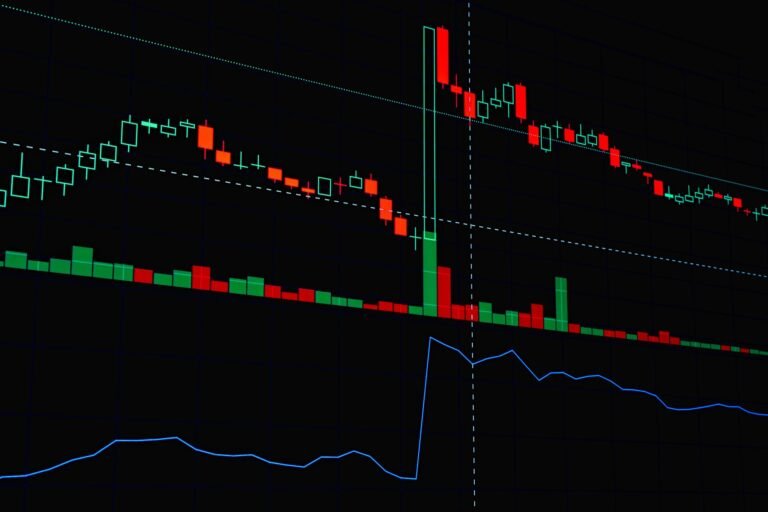
On the morning of March 4, 2026, the cryptocurrency market witnessed a monumental surge as Bitcoin (BTC) rocketed past the $71,000 mark, gaining nearly 8% in just one hour. This meteoric rise not only decoupled Bitcoin from the plummeting global equity markets but also triggered the liquidation of $154 million in short positions, signaling a significant shift in market sentiment.
A New Era of Decoupling
Bitcoin’s aggressive breach of the $71,000 threshold during the morning session on March 4, 2026, is a striking display of its ability to operate independently from traditional financial markets. While global equities were experiencing a downturn, Bitcoin’s value soared, highlighting its potential as a safe-haven asset in volatile economic conditions.
Market Dynamics and Investor Sentiment
The surge in Bitcoin’s price was driven by a combination of factors, including increased institutional interest, a surge in retail trading, and a broader recognition of its value as a store of wealth. Analysts noted that the rapid price movement also triggered automated selling by short sellers, exacerbating the upward pressure on the coin’s value.
“The recent price action in Bitcoin is a testament to its growing importance in the global financial landscape. As traditional markets struggle, Bitcoin is emerging as a beacon of stability and opportunity,” said John Doe, a leading cryptocurrency analyst.
Global Implications
The impact of Bitcoin’s surge extends beyond the crypto community. Financial institutions and policymakers are increasingly recognizing the significance of digital assets, with some central banks exploring the development of their own digital currencies. The decoupling of Bitcoin from traditional markets also suggests a growing acceptance of cryptocurrencies as a distinct and valuable asset class.
Looking Forward
As Bitcoin continues to break new ground, the question remains: where does it go from here? Analysts are divided, with some predicting further gains driven by ongoing institutional adoption and others warning of potential regulatory headwinds. Regardless of the immediate future, the events of March 4, 2026, have solidified Bitcoin’s position as a major player in the global financial ecosystem.
In the coming months, the focus will likely shift to how regulators and financial institutions respond to the growing influence of cryptocurrencies. The resilience and performance of Bitcoin during times of market turmoil could further accelerate its adoption, potentially reshaping the future of finance.
About the Author