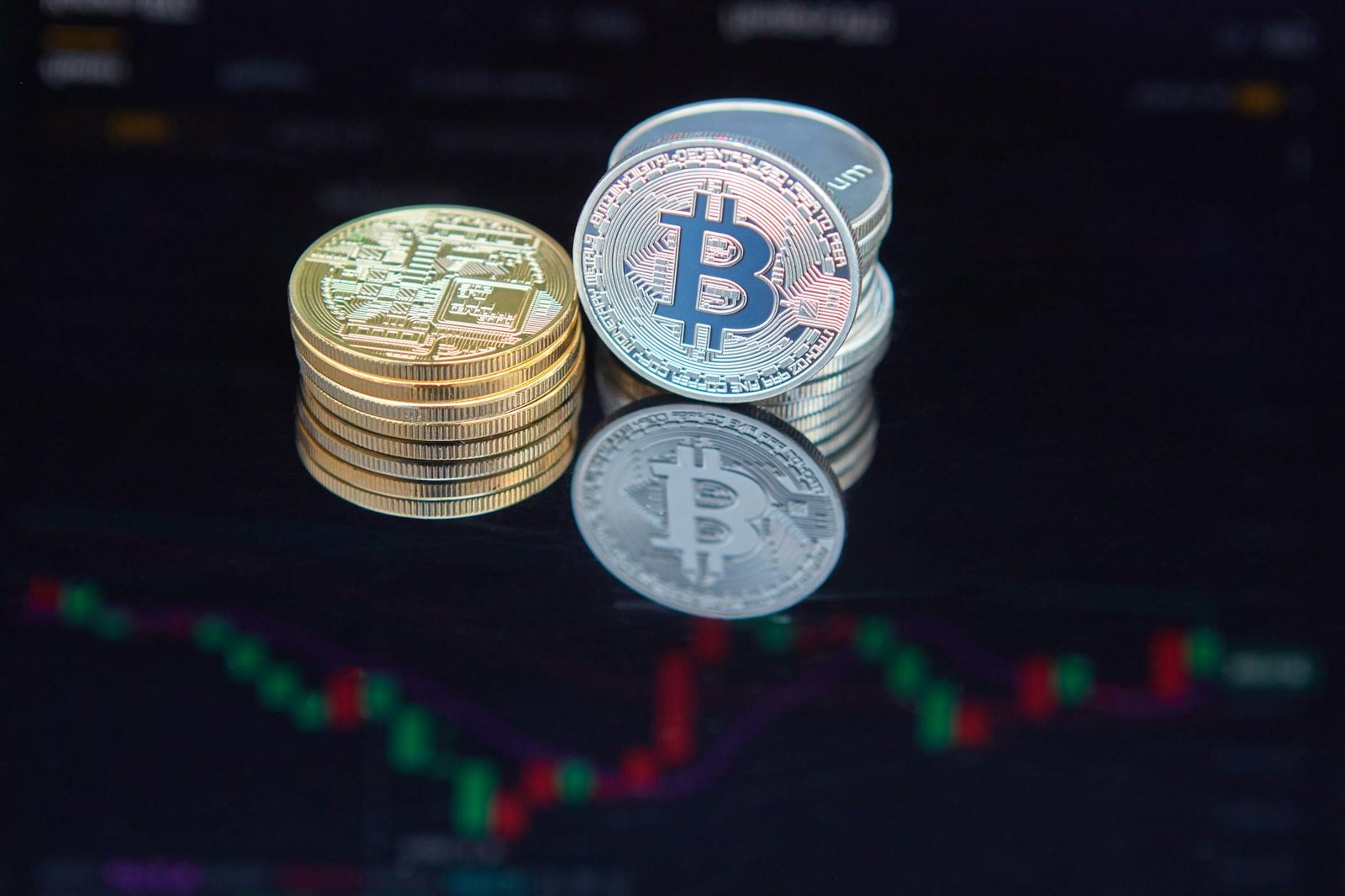
Grayscale Says Bitcoin Traders Shouldn’t Fear This Fed Cycle
Bitcoin traders may have less to fear from the Federal Reserve’s latest tightening than during the last bear market, according to Grayscale. The crypto asset manager sees the current rate cycle as a limited adjustment rather than a prolonged policy shift.


Key Takeaways
- Grayscale sees the Fed’s latest hike as a mid-cycle adjustment.
- Bitcoin faces a different rate backdrop than during the 2022 bear market.
- Higher rates could benefit stablecoins and tokenized financial products.
Grayscale Sees a Different Fed Cycle for Bitcoin
Bitcoin traders should not treat the Federal Reserve’s latest interest rate increase like the aggressive tightening cycle that accompanied the last crypto bear market, according to an analysis published by Grayscale on Sept. 17. Zach Pandl, Grayscale’s head of research, characterized Wednesday’s move as a “mid-cycle adjustment” rather than the beginning of a major shift in monetary policy.
The Federal Open Market Committee raised its target range by 25 basis points to 3.75%-4% on Sept. 16. The central bank cited elevated inflation and said the increase would support a timelier return toward its 2% inflation goal.
Pandl summarized Grayscale’s outlook:
“The Fed 25-basis-point rate hike on Wednesday—and a potential second hike still this year—are unlikely to drive major shifts in digital asset markets, in our view.”
The firm’s distinction centers on the scale and duration of tightening rather than the direction of the latest move. Grayscale expects the current cycle to have a more limited effect on capital allocation than the sustained tightening campaign that began in 2022.
The latest increase also ended a long stretch without Fed tightening, with the central bank raising rates for the first time since 2023. The Fed had previously cut rates multiple times from September 2024 through December 2025 before reversing course this week.
Why Grayscale Says This Is Not 2022 Again
The contrast with 2022 is central to Grayscale’s argument for bitcoin traders. Beginning in March 2022, the Fed launched a sustained tightening campaign that ultimately lifted its benchmark rate by 525 basis points by July 2023, dramatically increasing returns available on cash and other interest-bearing assets.
That environment raised the opportunity cost of holding bitcoin, which does not generate interest, while tightening financial conditions across risk assets. For investors tracking how Federal Reserve policy affects financial markets, that sustained campaign is a different backdrop from the current one, in which a single increase follows several years of rate increases, cuts, and holds.
Earlier this year, Grayscale had already connected bitcoin’s relative performance with changing rate expectations. In June, the firm argued that bitcoin could narrow its performance gap with equities if the Fed refrained from tightening, after higher rate expectations coincided with bitcoin underperforming stocks.
Pandl pointed to March 1997 as a historical comparison for the current environment. The Greenspan-led Fed raised its target rate by 25 basis points to 5.5% on March 25, but did not follow the move with an extended sequence of increases. Federal Reserve records show the single 1997 increase as the only rate change that year.
Higher Rates Could Affect Some Crypto Sectors Differently
Grayscale does not argue that higher rates have no effect across digital assets. Instead, the firm expects the consequences to vary across the crypto market, with some business models potentially benefiting even when tighter monetary policy presents challenges for non-interest-bearing assets.
Stablecoin issuers are one example. Companies such as Circle and Tether can earn greater interest income on reserves held in cash and short-term government securities when yields rise. Grayscale also sees higher yields on tokenized bonds and money market funds as potentially encouraging capital to move into blockchain-based financial products.
Bitcoin, meanwhile, remained volatile following the Fed decision rather than entering a sustained post-hike decline. Bitcoin briefly climbed above $77,000 on Sept. 17 after touching a monthly low less than 24 hours earlier, while nearly $260 million in crypto short positions were liquidated during the rebound.
For Grayscale, the key distinction remains the expected scale of monetary tightening. The firm sees one or two increases in 2026 as significantly different from the rapid 525-basis-point tightening cycle that reshaped capital allocation from 2022 through mid-2023.



Tags in this story
About the Author