Draftkings Shelved a Problem-Gambling AI While Targeting Likely Losers
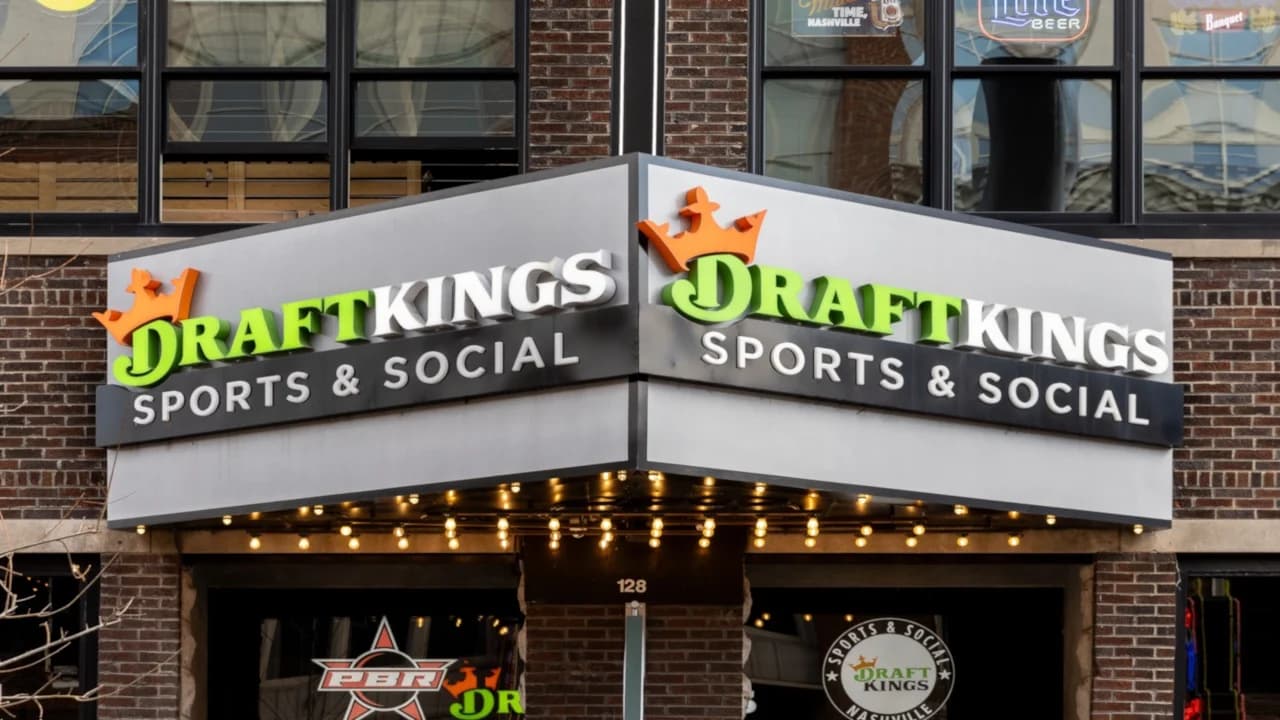
According to a New York Times investigation published Saturday, Draftkings built a machine-learning model to steer promotions toward the gamblers it predicted would lose the most, and shut down internal efforts to predict problem gambling. The company rejects the characterization.

Key Takeaways
- The NYT reports Draftkings used AI to aim promotions at gamblers likeliest to lose.
- Former staff say models built to flag problem gamblers were shut down or shelved.
- Draftkings rejects any implication its marketing unfairly targets customers.
‘The Best Investment Would Be a Problem Gambler’
The Times based its reporting on interviews with more than 40 former Draftkings employees, along with internal research memos, presentations, Slack messages and betting records from experiments the company ran on customers. The report expounds on two separate AI-assisted system buildouts, and the drastically different directions their development took over time.
A model built in 2023 for the online casino division reportedly gave each player an “elasticity” score: the higher the score, the more money that gambler was likely to lose for each promotion offered. In mid-2024, a data scientist began developing a predictive model for the company’s responsible gaming division—about 50 people in a workforce of 5,000—to assign customers a risk score that could predict harmful behavior days or weeks ahead. That project that was shut down in early 2025.
Jayden Butts, then a data analyst at the company, is one of the Times’ named sources for this story. Per his recollection, the company tested the former model on about 5,000 casino players in September 2023 and later on a larger group. Butts told reporters he had assumed the goal was to stop wasting promotions on unprofitable customers, but that supervisors said the company wanted to “redeploy” its promotional budget, which he took to mean directing more of it at the biggest losers.
“We are looking for traits and features that we can target that indicate a good investment,” he said, characterizing his own work. Following this to its financial conclusion, he told the Times that “the best investment would be a problem gambler.”
Draftkings fired Butts in late 2024, for performance reasons, per his own explanation. The company disputed his account of his firing without elaborating, and said his test “appears preliminary and inconclusive.” An internal memo from a year prior found that slots revenue was “more elastic” than other casino games, meaning promotions were especially effective at driving play on them, and the Times’ own analysis of early-2024 casino data found that high-elasticity players bet more on slots on average.
Eight former employees said Draftkings built similar models for sports betting promotions, and six said the targeting work continued and has been refined as recently as this year. Two analysts told the Times they asked for safeguards against the models flagging vulnerable gamblers as targets, and were told that would be handled by another part of the company.
That safeguarding work would eventually be steered away from working with the same sort of AI-powered tools, per the report. Data Scientist Nestor Hernandez told the Times about the responsible gaming division’s work on the predictive system in 2024. He left the company in November, and the project was shut down a few months later. In early 2025, a team preparing to present a successor model to officials, including Chief Responsible Gaming Officer Lori Kalani, had the meeting canceled on the day. Two other attempts were shelved, according to two former employees.
Draftkings Pushes Back on Accusations
Kalani told the Times that company leaders made a “collective decision” not to use predictive technology for problem gambling because “it wasn’t evidence-based.” The promotional models were reportedly tested on live customers regardless. Draftkings says it monitors more than two dozen behavioral indicators nationwide, following New Jersey guidance, but declined to disclose the thresholds to avoid customers gaming them.
Rivals Fanduel and Fanatics have signed up for third-party risk-scoring tools, but Draftkings does not use them, the Times reported. Days before the investigation ran in the paper, Draftkings announced a responsible gaming push that included custom cool-off periods of up to 364 days and a gamified Mindway AI experience.
Citizens Bank research cited by the Times puts Draftkings’ gross sports and casino revenue last year at about $8.7 billion, with around $3 billion given back in promotions. A Draftkings executive recently told investors that data science lifted margins on promotion-driven sports bets by 13% in 2025, and that the company uses AI to personalize hundreds of millions of promotional dollars. Draftkings says it has 11 million customers, up from five million in 2022.
Asked by the Times whether promotions contribute to problem gambling, Kalani called them “a marketing tool that every company out there uses,” compared Draftkings to Amazon, and said: “Shopping can be problematic for people.” Research by Bank of America found online bettors typically recover less than 75 cents of every dollar they send to betting platforms.
In a statement, Draftkings said it “rejects any implication that its marketing practices are unfair or improperly targets customers,” and that promotions are “directed toward customers who demonstrate sustained, engaged use of our platform, not toward customers based on their losses.” It said it could not respond definitively to the documents or the Times’ analysis because it had not “seen or verified” them.
The report lands days after CEO Jason Robins told Front Office Sports that the business is “doing great.” Draftkings and rival Fanduel have both boasted publicly about using customer data for promotions, the Times noted, and vendors sell similar tooling across the industry: Optimove’s April acquisition of Smartico brought AI-powered player segmentation together with a bonus engine and lifetime-value prediction.



About the Author