



Mt Gox Repayments Delayed Again as Bitcoin Billions Sit Idle
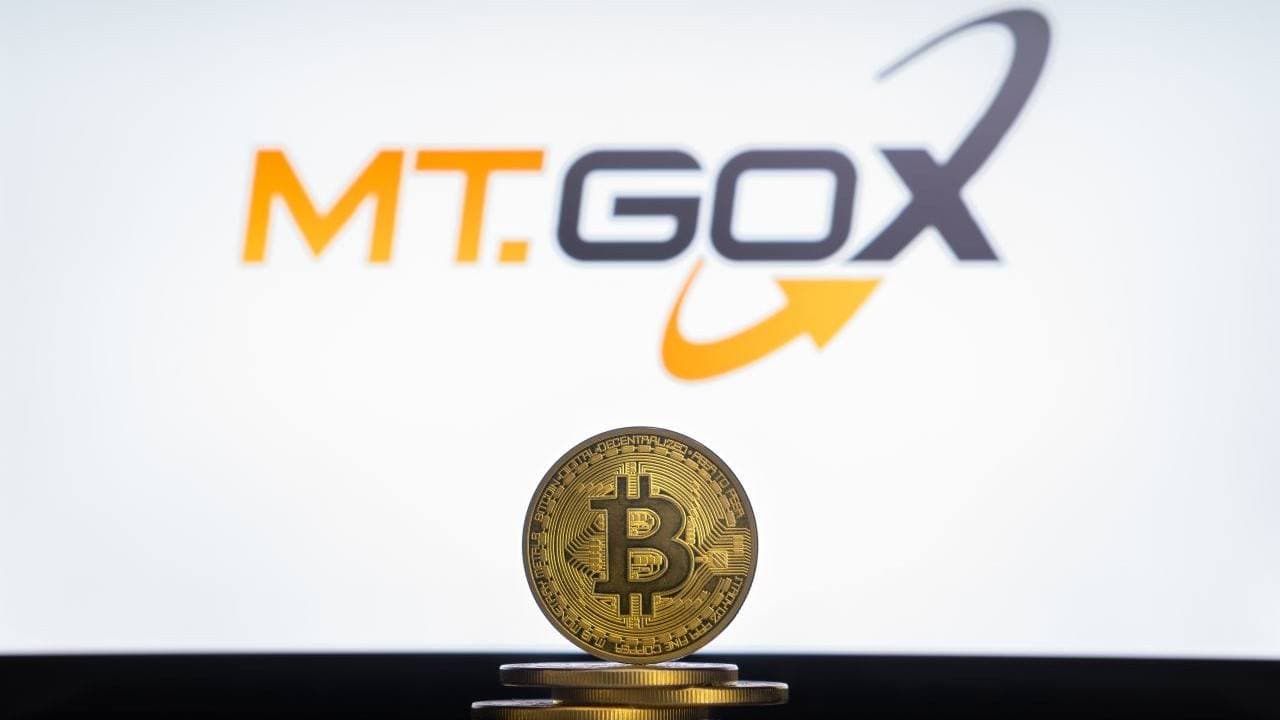
Mt Gox creditors just lost another year to a repayment process that has dragged on since the exchange collapsed in 2014. The latest extension pushes the deadline into October 2027, leaving billions in bitcoin and some creditors still waiting for their funds.

Key Takeaways
- Mt Gox’s repayment deadline has moved to Oct. 31, 2027, following its fourth consecutive annual extension.
- Mt Gox’s trustee says most eligible creditors have been paid, but administrative problems persist.
- Mt Gox reportedly retains roughly 34,000 to 34,500 BTC, although its latest notice provides no balance.
Japanese Court Grants Mt Gox a Fourth Extension
On Oct. 16, 2026, rehabilitation trustee Nobuaki Kobayashi announced that a Japanese court had approved extending the repayment deadline from Oct. 31, 2026, to Oct. 31, 2027. The decision covers the Base Repayment, Early Lump-Sum Repayment, and Intermediate Repayment categories, marking the fourth consecutive annual postponement since the original October 2023 target.
The trustee’s official notice says distributions have “largely been completed” for creditors who satisfied the required procedures without complications, apart from certain repayment categories. Others remain unpaid because of incomplete paperwork or processing difficulties, leaving another group of creditors facing an extended wait.
Kobayashi said the extension would allow administrators “to make the repayments to such rehabilitation creditors to the extent reasonably practicable.” The announcement offered no updated creditor count, remaining asset inventory or individual payment schedule.
From Bitcoin Giant to a 13-Year Financial Ordeal
Mt Gox wasn’t originally intended to become a cryptocurrency exchange. Programmer Jed McCaleb registered the domain in 2007 for trading Magic: The Gathering Online cards before converting it into a bitcoin marketplace in 2010. McCaleb sold the operation to Mark Karpelès in 2011. By 2013, Mt Gox reportedly handled more than 70% of worldwide bitcoin trading, effectively becoming the industry’s dominant marketplace and an indispensable gateway into the emerging crypto economy.
Then everything went off the rails. Following years of security failures and suspected theft, Mt Gox halted withdrawals in February 2014 and subsequently filed for bankruptcy protection. Approximately 850,000 BTC were reported missing, although roughly 200,000 BTC were later recovered. Investigations indicated that much of the missing bitcoin had disappeared through prolonged wallet compromises rather than one catastrophic attack. The revelations exposed years of operational failures at an exchange that once commanded the overwhelming majority of global bitcoin trading.
Creditors eventually approved a rehabilitation plan in 2021. Actual bitcoin and bitcoin cash distributions began in July 2024, more than a decade after the exchange imploded.
Billions in Bitcoin Still Await Distribution
By March 2025, more than 19,500 creditors had reportedly received assets. Yet estimates circulating in 2026 placed the remaining estate balance near 34,000 to 34,500 BTC, worth roughly $2.8 billion at recent market prices. The trustee’s latest announcement doesn’t independently confirm that balance, leaving the precise amount awaiting distribution uncertain.
For bitcoin markets, another postponement potentially delays the arrival of coins that recipients might otherwise sell. However, distribution doesn’t automatically translate into liquidation, and creditors’ eventual decisions remain impossible to predict.
The contradiction is difficult to ignore. An exchange that once processed most of the world’s bitcoin trades has spent considerably longer untangling its collapse than it spent dominating the market. Its next deadline now falls nearly 14 years after the original disaster.
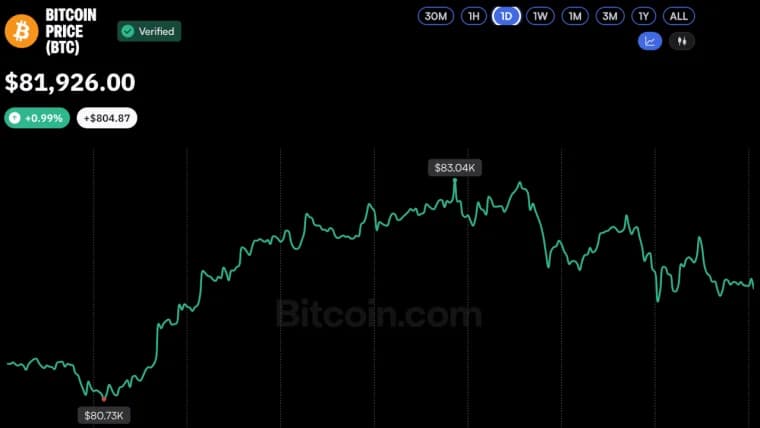
Bitcoin rebounded over $2,000 on Monday from a Sunday low of $80,595 to peak above $83,000, dispelling fears of a…
Read Now: Bitcoin Rally Stalls at $83K as ETF Outflows Raise Concerns

About the Author