



Indian Exchange CoinDCX Admits $16M Hit After CEO Dismissed Suspicious Transfers
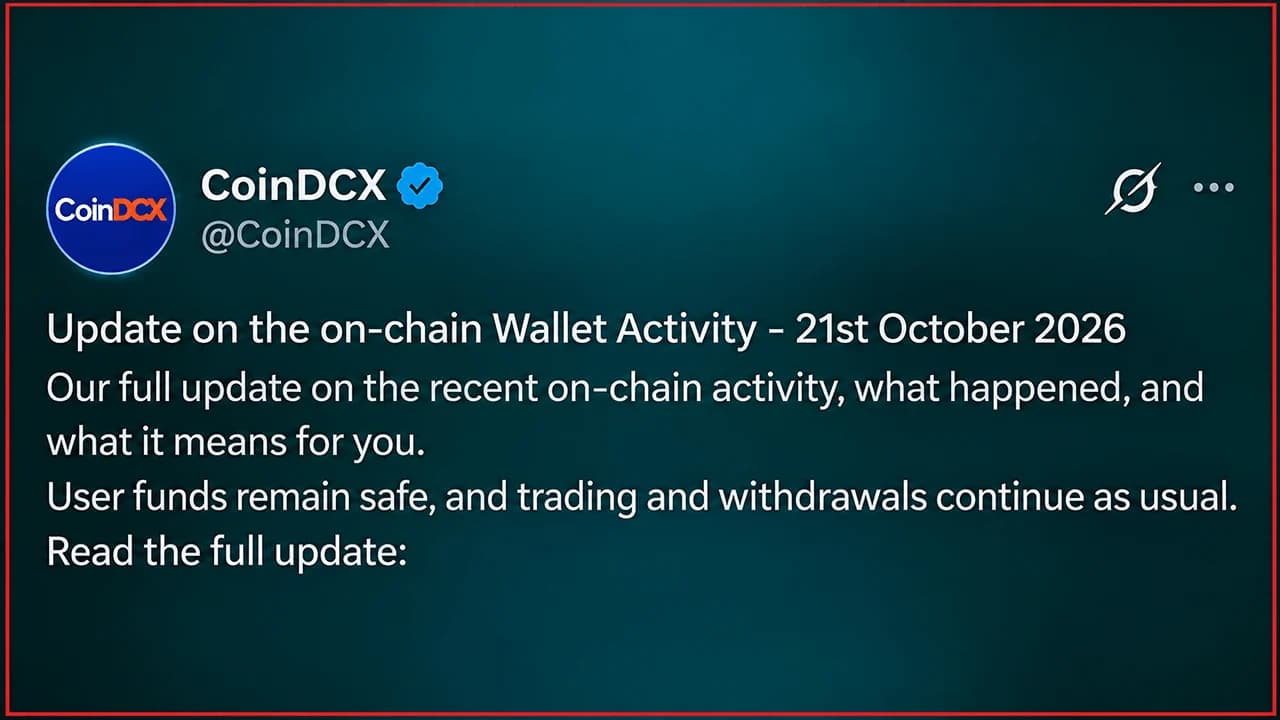
CoinDCX has confirmed a $16 million cryptocurrency loss just three days after its CEO dismissed suspicious wallet activity as a “false alarm.” The Indian exchange acknowledged that deposits had accumulated in compromised, supposedly retired wallets after an automated transfer system failed. CoinDCX says it absorbed the losses and customer balances remain safe, but blockchain investigators have challenged its account of when those wallets stopped operating.

Key Takeaways
- CoinDCX confirmed a 15.99 million USDT loss on Oct. 25, days after its CEO dismissed suspicious activity.
- ZachXBT and Bitquery challenged CoinDCX’s claims that compromised wallet infrastructure had been retired.
- CoinDCX says it absorbed the losses, bringing its combined 2025 and 2026 security losses to roughly $60 million.
CoinDCX Admits $16M Loss Days After CEO Dismissed Hack Alarm
India’s cryptocurrency exchange CoinDCX has acknowledged losing nearly $16 million from compromised deposit wallets. The Oct. 25 admission followed blockchain investigators’ discovery that supposedly retired addresses continued handling funds long after a $44 million breach in July 2025.
CoinDCX insists customers won’t bear the financial damage, but the episode raises an uncomfortable question about how millions of dollars accumulated in wallets the company had already warned users to abandon.
From False Alarm to $16 Million Admission
On Oct. 21, blockchain observers identified approximately 15.99 million USDT leaving CoinDCX-linked addresses on the Tron network. The funds were subsequently distributed toward several major cryptocurrency exchanges.
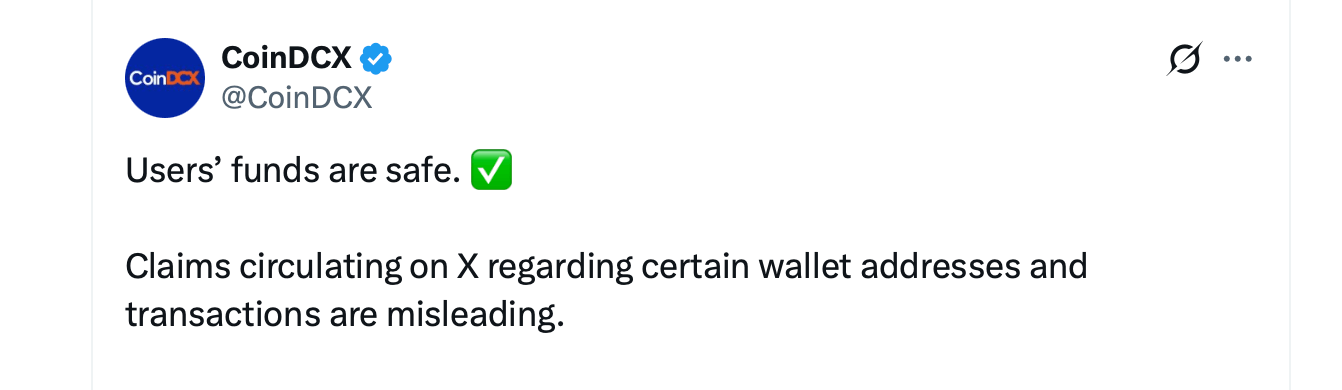
CEO Sumit Gupta rejected the initial reports on Oct. 22, arguing that the addresses had been compromised during the previous year’s attack and were no longer part of CoinDCX’s active infrastructure. He characterized the activity as “a false alarm.”
Three days later, CoinDCX confirmed that 15.99 million USDT had indeed disappeared from its deprecated wallet infrastructure.
The Wallets That Refused to Retire
CoinDCX explained that some customers continued depositing funds into obsolete addresses despite warnings. An automated system designed to transfer those deposits into secure wallets had malfunctioned, allowing balances to accumulate.
Blockchain investigator ZachXBT disputed the company’s initial explanation, pointing to evidence that certain addresses remained operational months after the 2025 breach. Bitquery’s independent analysis similarly identified continued wallet activity into October 2026, contradicting suggestions that the infrastructure had been completely abandoned.
Two Breaches, Nearly $60 Million Gone
CoinDCX says customer accounts were credited, cold-storage holdings remained untouched, and trading and withdrawals continued normally. The exchange has now absorbed nearly $60 million in losses across two incidents spanning 15 months.
The latest incident puts renewed attention on how cryptocurrency exchanges manage older deposit addresses, particularly those associated with previous security breaches. CoinDCX maintains that customer funds remain secure and that the financial impact has been absorbed entirely by the company.
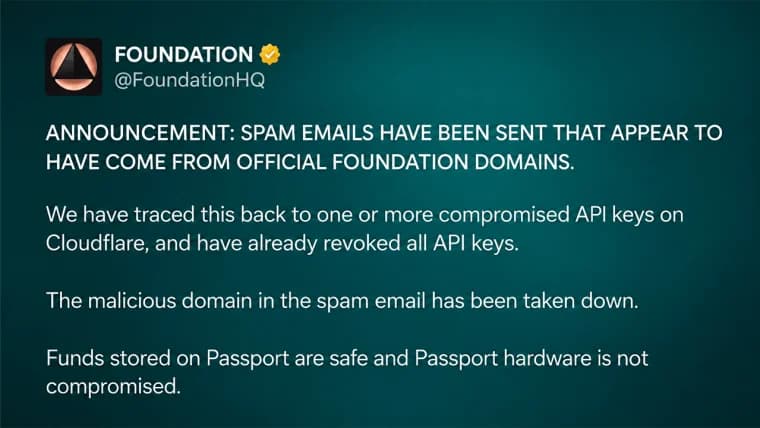
Attackers hijacked Foundation’s email infrastructure and sent fake hardware-wallet recall notices containing customers’ real names, addresses and purchase details. The…
Read Now: Hardware Wallet Maker Foundation Faces Customer Data Breach


About the Author