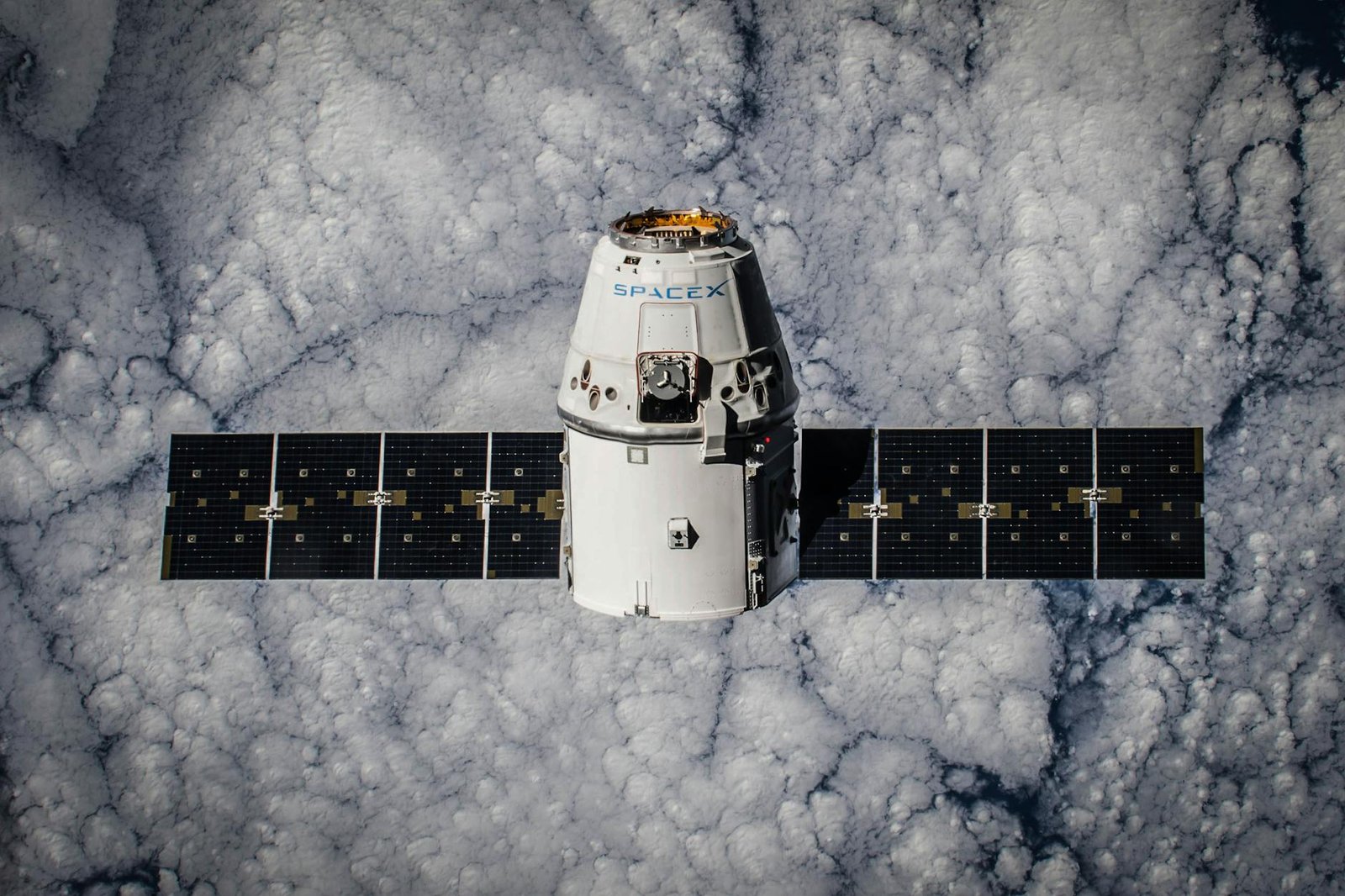
In a bold move that could redefine the future of cryptocurrency mining, Washington-based tech startup Starcloud is set to launch the world’s first bitcoin mining satellite, Starcloud-2, into low-Earth orbit. This innovative approach not only pushes the boundaries of space technology but also offers a new dimension to the decentralized nature of bitcoin mining.
The Vision Behind Starcloud-2
According to a recent report by PCMag, Starcloud’s ambitious project aims to place data centers in low-Earth orbit, leveraging the unique advantages of space to enhance the efficiency and security of bitcoin mining. The company, known for its expertise in space technology and artificial intelligence (AI) infrastructure, believes that the space environment can provide a stable and sustainable platform for high-performance computing tasks.
Why Space for Bitcoin Mining?
Traditional bitcoin mining operations are constrained by factors such as high energy costs, environmental concerns, and the need for robust cooling systems. By moving these operations to space, Starcloud aims to address these challenges. The vacuum of space offers natural cooling, and the satellite can harness solar energy more efficiently than ground-based systems. Additionally, the reduced gravitational forces in orbit can enhance the performance of mining hardware.
Technical Challenges and Solutions
While the concept of space-based mining is exciting, it comes with its own set of technical hurdles. Starcloud’s engineers have been working diligently to develop a satellite that can withstand the harsh conditions of space while maintaining the high computational power required for mining. The Starcloud-2 satellite is equipped with advanced AI algorithms to optimize mining operations and ensure continuous communication with ground stations.
Security and Reliability
Security is a paramount concern in any cryptocurrency operation, and Starcloud has taken significant steps to ensure the integrity of its satellite. The Starcloud-2 is designed with multiple layers of security, including encrypted data transmission and redundant systems to prevent single points of failure. The company is also exploring the use of blockchain technology to enhance the transparency and traceability of its mining activities.
Implications for the Industry
The launch of Starcloud-2 could have far-reaching implications for the cryptocurrency industry. By establishing a presence in space, Starcloud is setting a precedent for other tech companies to follow. This could lead to a new era of decentralized and secure computing, where the boundaries between Earth and space become increasingly blurred.
Environmental and Economic Benefits
One of the most significant benefits of space-based mining is its potential to reduce the environmental impact of cryptocurrency operations. The use of renewable solar energy and the natural cooling effects of space can significantly lower the carbon footprint of mining activities. Economically, this approach could also make bitcoin mining more accessible and cost-effective, potentially democratizing the process and reducing the dominance of large, centralized mining farms.
Looking to the Future
As Starcloud prepares for the launch of Starcloud-2, the company is already looking ahead to its next phase of development. Future plans include expanding the satellite network to create a robust space-based infrastructure for various computing tasks, not just bitcoin mining. This vision aligns with the growing trend of integrating space technology with blockchain and AI, opening up new possibilities for innovation and growth in the tech industry.
The launch of Starcloud-2 is more than just a technological milestone; it represents a new frontier in the intersection of space and blockchain. As the world watches, the success of this project could pave the way for a more sustainable, decentralized, and innovative future in cryptocurrency mining and beyond.
About the Author