




A Family Paid $3 for a Bowl at a Yard Sale and Used It as Decor for Years. It Sold for $2.2 Million
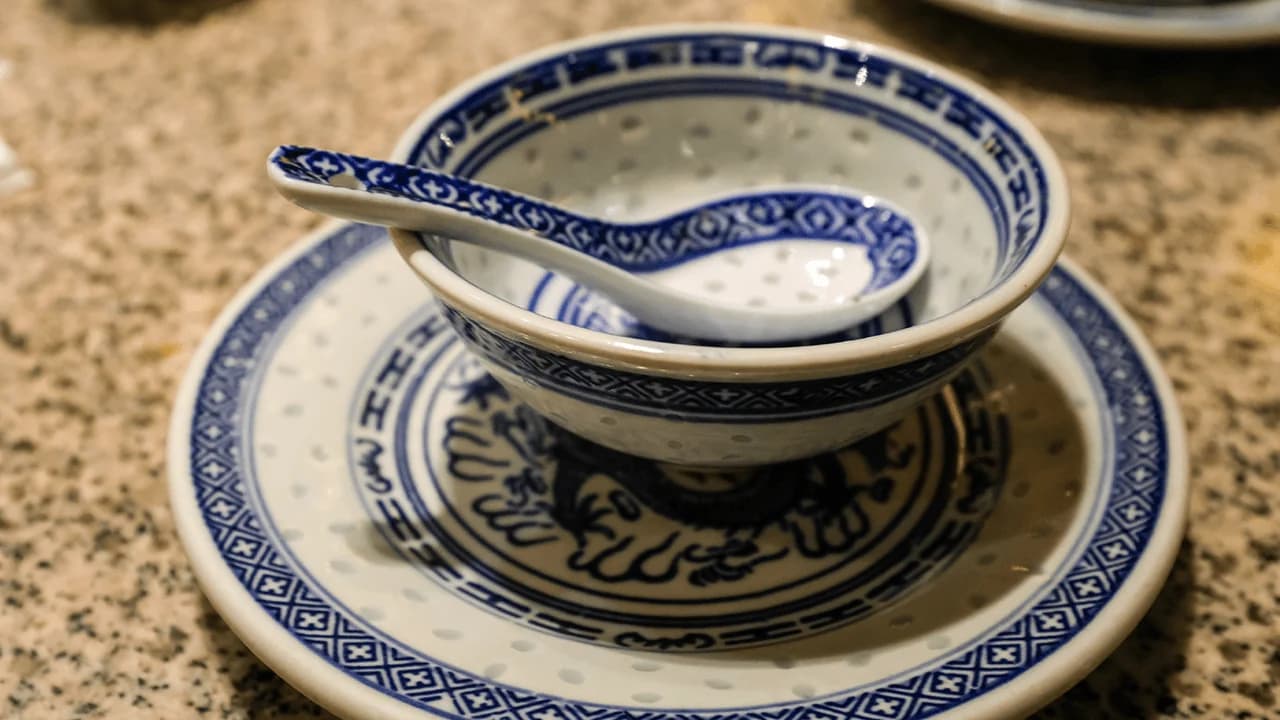
A $3 tag-sale find from upstate New York turned into a $2.2 million payday when a roughly 1,000-year-old Northern Song dynasty Ding ware bowl sold at Sotheby’s in New York on March 19, 2013. The five-inch bowl had sat on display in the family’s living room for about five to six years before it was appraised.

Key Takeaways
- A small white bowl bought for pocket change sat as living room decor for years before anyone suspected what it was.
- A shift in the collector market, not luck alone, is what prompted the family to finally seek an appraisal.
- The final auction price blew past Sotheby’s presale estimate by a stunning margin.
In the summer of 2007, an anonymous upstate New York family picked up a small bowl for about $3 at a tag sale and set it out on a living room shelf. It stayed there for five to six years as simple decor, until they decided to get it appraised after noticing rising collector interest in Chinese art. Sotheby’s specialists identified it as a rare Northern Song Dynasty Ding ware bowl, roughly 1,000 years old. On 03/19/2013, it crossed the block at Sotheby’s in New York and sold for about $2.2 million.
A yard sale find hiding history
Every so often, the tech world offers a reminder that value can hide in plain sight, and it does not always arrive wrapped in silicon. In the summer of 2007, a family in upstate New York stopped at a local tag sale and paid $3 for a small white bowl. It looked like simple decor, so it went onto a living room mantle.
For roughly 5 to 6 years, the bowl just sat there, part of the background. The family’s identity never became public, and that anonymity is part of the story: big outcomes sometimes come from ordinary households, not institutions with dedicated research teams.
What changed: a market signal and an appraisal
In the early 2010s, the family noticed rising collector interest in Chinese art and decided to get the piece appraised. That curiosity turned out to be well placed. The bowl was identified as a Ding ware bowl from China’s Northern Song Dynasty, meaning it was roughly 1,000 years old, known for its ivory-white glaze.
It was also physically modest, about 5 inches in diameter, the kind of object you could easily overlook on a folding table next to old lamps and mismatched picture frames. Sotheby’s later described it as “remarkable and exceptionally beautiful,” and noted only 1 other similar bowl of the same size, form, and near-identical decoration was known to exist elsewhere.
The auction math that shocked everyone
Once authenticated, the family consigned it to Sotheby’s for a New York sale. Cecilia Leung, a Sotheby’s specialist, said the bowl “was bought for a few dollars from a tag sale near the consignor’s home in the summer of 2007.”
Before the gavel fell, Sotheby’s estimated the bowl at $200,000 to $300,000. But at the Fine Chinese Ceramics and Works of Art auction on March 19, 2013, bidding didn’t just clear the high end. It vaulted past it.
From mantlepiece to $2.225 million
The bowl ultimately sold for $2.225 million, and Sotheby’s said it went to a London dealer. Leung summed up the gap between purchase price and true provenance: “At the time, the purchaser had no idea that they had happened upon a 1,000-year-old treasure.”
It’s a tidy arc with a very American starting point, a yard sale, and a very global endpoint, a seven-figure auction result in New York on March 19, 2013.
About the author
WRITTEN BYQuentin Couprie
Passionate about tech, finance and AI, I’ve spent over a decade following the digital revolution, from blockchain’s early days to today’s fast-moving crypto world.
About the Author