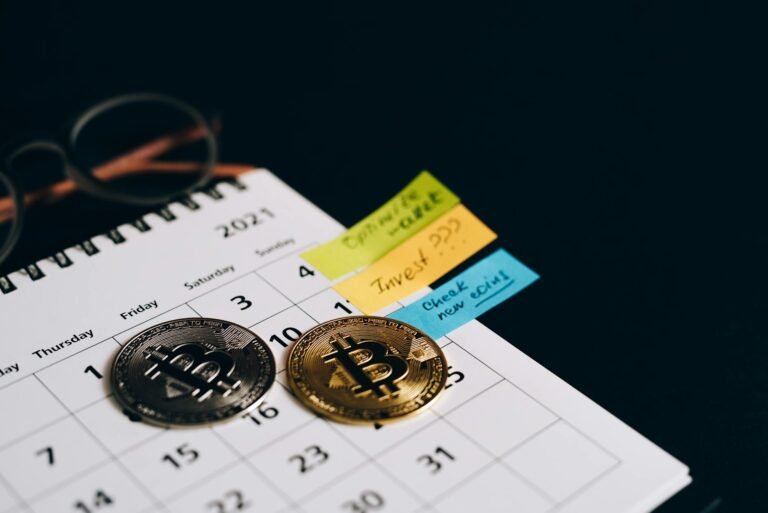
Bitcoin has crossed a monumental threshold: over 20 million of its 21 million total supply have now been mined, leaving less than one million coins to be discovered. This milestone marks a significant shift in the cryptocurrency’s lifecycle, from a rapidly expanding asset to a highly sought-after digital store of value.
A Decade of Gradual Growth
When Bitcoin was first launched in 2009 by the mysterious Satoshi Nakamoto, the network was designed with a fixed supply of 21 million coins. The mining process, which involves validating transactions and adding them to the blockchain, initially rewarded miners with 50 BTC per block. These rewards have halved approximately every four years, a process known as a ‘halving.’ The most recent halving in 2024 reduced the block reward to 3.125 BTC, significantly slowing the rate of new coins entering circulation.
The Road to 2140
At the current rate, the final Bitcoin is not expected to be mined until around the year 2140. This long-term predictability is a core feature of Bitcoin, distinguishing it from traditional fiat currencies, which can be printed at will by central banks. The slowing issuance rate means that miners now produce about 450 BTC per day, down from 900 BTC before the 2024 halving.
Scarcity and Market Dynamics
As the supply of Bitcoin becomes increasingly constrained, the asset’s scarcity is likely to drive its value. Analysts argue that this predictability and scarcity are features that people value in money, especially in a world where unpredictable central bank policies and inflation risks are prevalent. However, the price of Bitcoin remains volatile, influenced by global market conditions, investor sentiment, and economic news. At the time of writing, Bitcoin is trading between $69,000 and $70,000.
The Role of Lost Coins
Adding to the scarcity, a significant number of Bitcoin coins are effectively lost. Estimates suggest that between 2 and 3.5 million BTC may be irretrievable due to lost private keys or being sent to addresses with no known access. Additionally, some BTC are intentionally designed to be unspendable, such as the 50 BTC from the very first block, further reducing the circulating supply.
Future of Mining and Transaction Fees
As the rewards for mining new Bitcoin diminish, miners will increasingly rely on transaction fees to sustain their operations. This shift could make sending Bitcoin more expensive but ensures the network remains secure and operational without the need for new coins. By 2140, miners will depend entirely on transaction fees, a change that could have significant implications for the cost and efficiency of using Bitcoin.
Conclusion: A Digital Store of Value
With over 20 million Bitcoin mined, the cryptocurrency is transitioning from a fast-growing experiment to a rare and highly valued digital asset. While daily price fluctuations will continue to be influenced by market dynamics, the long-term scarcity and predictability of Bitcoin’s supply provide a unique edge in the digital economy. As we move closer to the final coin, Bitcoin’s role as a digital store of value is likely to solidify, making it a critical component of the future financial landscape.
About the Author