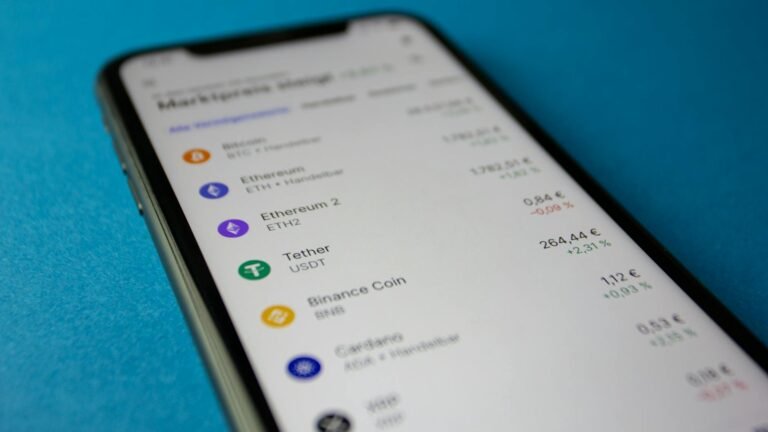
As global tensions rise over potential military conflicts in Iran, Bitcoin (BTC) has faltered, trading just shy of the $71,000 mark. Meanwhile, AI tokens like ICP and FET have seen a surge in retail interest, driving their prices higher. This divergence in performance highlights the growing appeal of AI-related assets as investors seek exposure to the rapidly evolving technology sector.
Bitcoin’s Cautious Retreat
Bitcoin, the world’s largest cryptocurrency by market cap, has been trading around $69,500, a drop from its recent high of $71,000. The cryptocurrency’s decline is largely attributed to the uncertainty surrounding potential military actions in Iran, which has kept financial markets on edge. Traders are becoming increasingly cautious, preferring to avoid high-risk assets like Bitcoin until the geopolitical situation stabilizes.
AI Tokens on the Rise
While Bitcoin falters, AI tokens have been on a tear. ICP (Internet Computer Protocol) and FET (Fetch.ai) have outperformed the broader market, driven by strong retail demand. These tokens are benefiting from the growing interest in artificial intelligence and its applications in various sectors, including finance, healthcare, and logistics. The retail investor base, particularly in the crypto space, is increasingly looking for tokens that offer exposure to cutting-edge technologies.
Oracle’s Strong Earnings Boost AI Confidence
The positive momentum in AI tokens is further supported by Oracle’s latest earnings report. The tech giant reported a 18% increase in revenue, reaching $17.19 billion, with cloud revenue jumping 41%. Oracle’s executives have been quick to dispel fears of a “SaaS apocalypse,” emphasizing that generative AI will strengthen software platforms by embedding AI agents directly into mission-critical applications. This confidence boost from a major player like Oracle is likely to continue driving interest in AI-related assets.
Market Correlation and Future Outlook
The correlation between software stocks and cryptocurrencies, particularly Bitcoin, seems to be weakening. While the IGV software ETF saw a 1% lift in premarket trading, Bitcoin fell roughly 0.5% ahead of the Consumer Price Index (CPI) data. This suggests that investors are beginning to differentiate between the tech and crypto sectors, which could lead to more stable and predictable performance for both asset classes.
Looking ahead, the crypto market is poised for a volatile week as seven central banks, including the Federal Reserve, face an inflation test. The outcome of these meetings could have significant implications for Bitcoin and other cryptocurrencies, especially if central banks decide to take more aggressive actions to combat inflation. For now, the focus remains on geopolitical developments and economic data, which will continue to influence investor sentiment.
About the Author