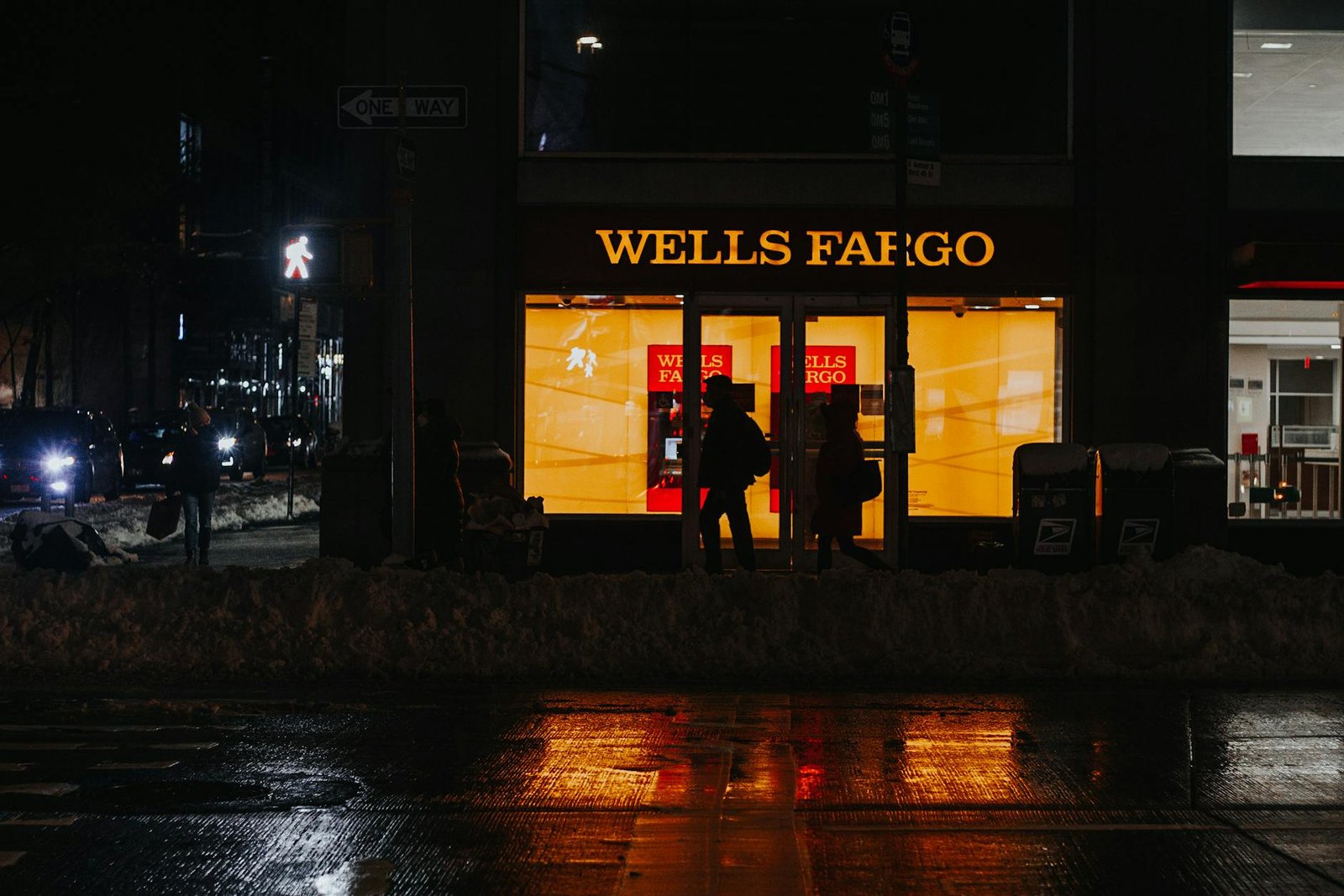
Wells Fargo’s recent move to file a trademark for ‘WFUSD’ has sparked speculation about the banking giant’s intentions to enter the stablecoin market.
While the bank has yet to confirm its plans, this step suggests it is seriously considering launching a USD-backed stablecoin, a move that could reshape the digital asset landscape and further blur the lines between traditional finance and the crypto world.
The Significance of ‘WFUSD’
Stablecoins, which are cryptocurrencies pegged to the value of a stable asset like the U.S. dollar, have gained significant traction in recent years. They serve as a bridge between traditional finance and the decentralized world of cryptocurrencies, offering stability and ease of use. The trademark for ‘WFUSD’ indicates that Wells Fargo is positioning itself to capitalize on this growing market.
Stablecoin Landscape
The stablecoin market is currently dominated by a few major players, including Tether (USDT), USD Coin (USDC), and Binance USD (BUSD). These tokens are widely used for trading, payments, and as a store of value in the crypto ecosystem. The entry of a traditional banking institution like Wells Fargo could bring increased legitimacy and regulatory oversight to the sector, potentially addressing some of the concerns around stablecoin stability and transparency.
Regulatory Implications
The move by Wells Fargo to explore stablecoins comes at a time when regulatory scrutiny of digital assets is intensifying. The U.S. government, through agencies like the Securities and Exchange Commission (SEC) and the Commodity Futures Trading Commission (CFTC), is increasingly focused on ensuring that stablecoins and other digital assets operate within a clear regulatory framework. A stablecoin backed by a major bank could set a new standard for compliance and security in the industry.
Impact on the Crypto Ecosystem
For the broader crypto ecosystem, the entry of Wells Fargo could have significant implications. It could accelerate the adoption of stablecoins among institutional investors and retail users, further integrating digital assets into the financial mainstream. However, it could also intensify competition and potentially lead to a consolidation of the stablecoin market, with smaller players struggling to keep up with the resources and regulatory compliance of a major bank.
Looking Forward
While the filing of a trademark is just one step in a long process, it signals that Wells Fargo is seriously exploring the potential of stablecoins. The bank’s entry into this space could be a game-changer, bringing more institutional capital and regulatory clarity to the crypto market. As the landscape continues to evolve, all eyes will be on Wells Fargo to see how it navigates this new frontier.
About the Author