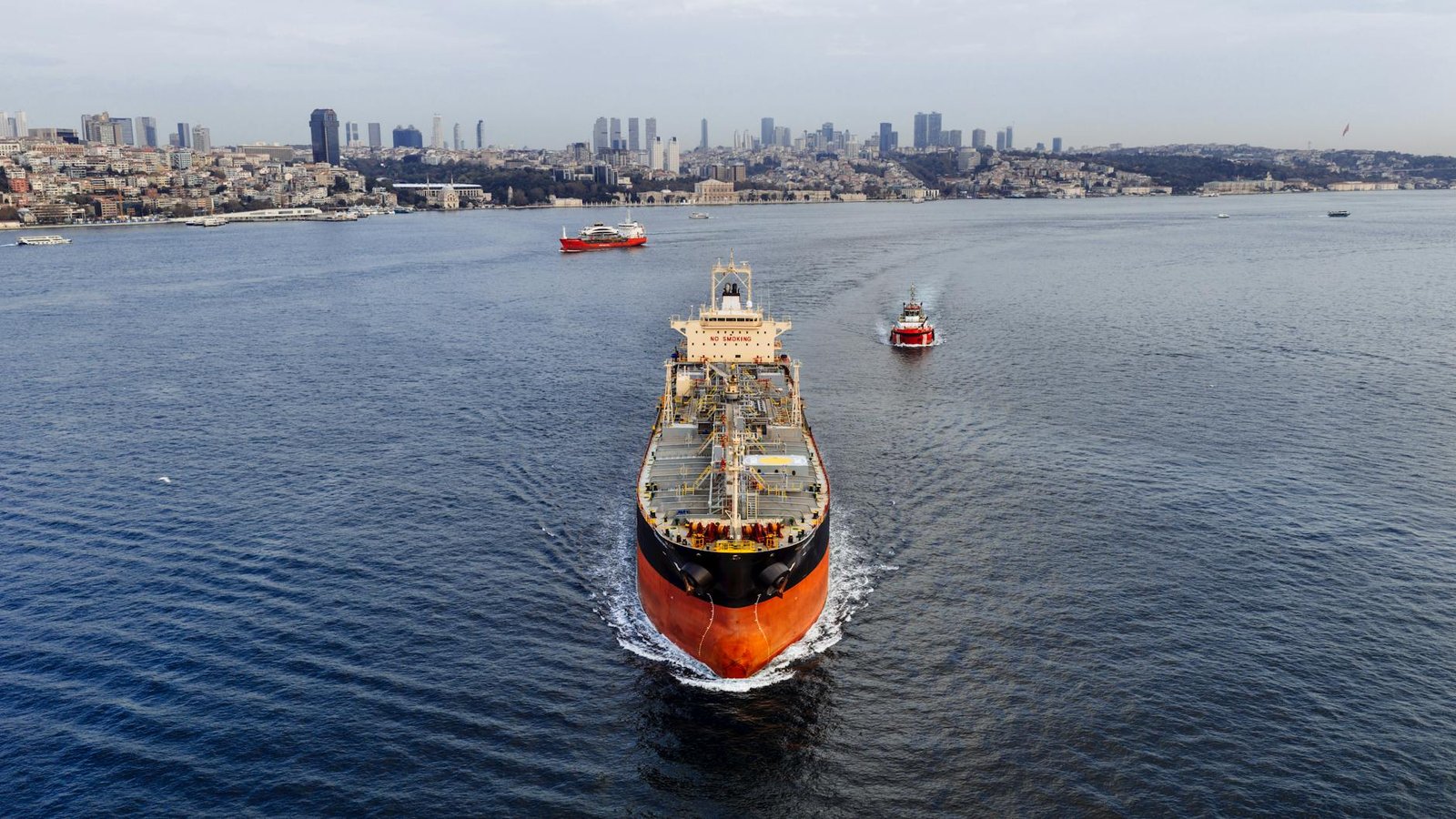
U.S. President Donald Trump has called on oil companies to resume shipping activities through the Strait of Hormuz, despite a recent attack on the Thai bulk carrier Mayuree Naree. The attack, claimed by Iran’s Islamic Revolutionary Guard Corps (IRGC), has raised concerns about the safety and stability of this critical waterway. However, the President’s statement suggests a firm stance, emphasizing the strategic importance of the region for global energy security.
Strait of Hormuz: A Crucial Energy Lifeline
The Strait of Hormuz, a narrow waterway between Iran and the Arabian Peninsula, is one of the world’s most vital shipping lanes. It serves as a chokepoint for approximately 20% of the world’s oil supply. Any disruption in this area can have significant economic repercussions, affecting global oil prices and market stability.
Iran’s Escalating Tensions
The IRGC’s attack on the Mayuree Naree is the latest in a series of confrontations in the region. The U.S. military has responded by destroying Iranian mine-laying vessels, highlighting the growing tensions between the two nations. The attack underscores Iran’s ability to disrupt maritime traffic and challenge international shipping interests.
President Trump’s Bold Move
President Trump’s call for oil companies to resume operations in the Strait of Hormuz is a bold move that reflects the administration’s commitment to maintaining the flow of oil through this critical route. However, the decision to continue operations in the face of potential threats is not without risk. Oil companies must weigh the economic benefits against the safety of their vessels and crew.
Implications for Global Energy Markets
The stability of the Strait of Hormuz is crucial for global energy markets. Any prolonged disruption could lead to a spike in oil prices, affecting economies worldwide. The U.S. military’s presence in the region is intended to deter further attacks and ensure the safe passage of commercial vessels. However, the ongoing tensions between the U.S. and Iran could escalate, leading to more significant geopolitical and economic consequences.
Looking Ahead
The situation in the Strait of Hormuz remains volatile, and the international community is closely monitoring developments. Oil companies will likely take a cautious approach, balancing the need for continued operations with the safety and security of their assets. The U.S. administration’s stance will be crucial in shaping the response to Iran’s actions and maintaining global energy security.
About the Author