In a significant move to curb the darker side of speculative markets, U.S. lawmakers have introduced the DEATH BETS Act, aiming to prohibit prediction markets from facilitating bets on wars, assassinations, terrorism, or individual deaths. The bill, introduced by a bipartisan group of senators, seeks to address the ethical and moral implications of allowing financial gains from tragic events.
Addressing the Ethical Quagmire
The DEATH BETS Act, formally known as the Derivatives and Extraction of Truth from Hidden and Abusive Trades Act, is a response to growing concerns about the potential for prediction markets to incentivize violence. These markets, which allow individuals to bet on future events, have come under scrutiny for their potential to influence real-world outcomes, particularly in sensitive areas like political assassinations and acts of terrorism.
What the DEATH BETS Act Proposes
The legislation would ban the creation and operation of any financial instruments that allow betting on events such as:
- Wars and military conflicts
- Assassinations and targeted killings
- Terrorist attacks
- Individual deaths, including those of public figures
Sen. Elizabeth Warren, one of the bill’s co-sponsors, emphasized the need for such regulations: The idea that financial markets can profit from the deaths and suffering of others is deeply troubling. This bill sends a clear message that we will not tolerate the commodification of violence and tragedy.
Impact on Prediction Markets
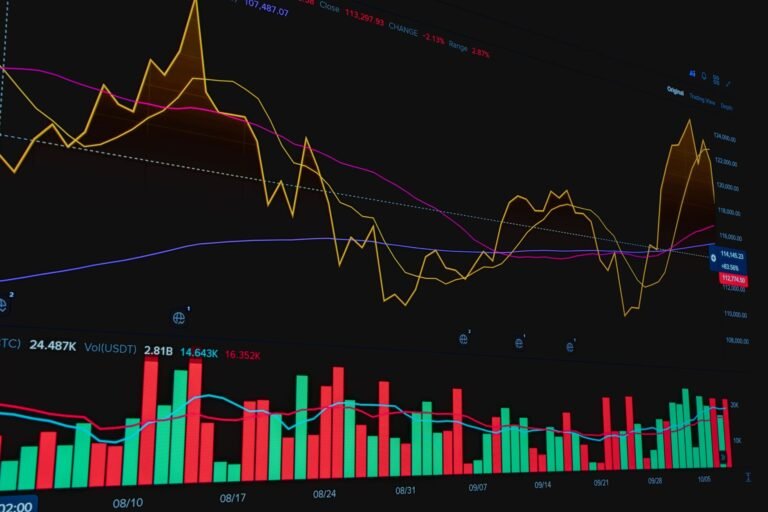
Prediction markets have been a subject of debate for years, with supporters arguing that they can provide valuable insights into future events and critics warning of the potential for manipulation and harm. The DEATH BETS Act is likely to have a significant impact on platforms like Polymarket and Kalshi, which have gained popularity for their ability to forecast everything from election outcomes to economic indicators.
However, the bill’s proponents argue that the ethical line is clear when it comes to betting on human suffering. These markets can create perverse incentives that could lead to real-world violence, and that’s a risk we simply cannot afford to take,
said Sen. Josh Hawley, another co-sponsor of the bill.
Industry Reactions and Future Implications
The proposed legislation has sparked a range of reactions from the financial and tech industries. Some experts praise the bill for addressing a moral issue, while others warn of the potential chilling effect on innovation and free speech.
Dr. Alex Thorn, a financial ethics specialist, commented: The DEATH BETS Act is a necessary step to ensure that financial markets do not become instruments of harm. However, it’s important to balance this with the need for transparency and the free exchange of information.
Meanwhile, the prediction market industry is bracing for potential changes. Polymarket CEO Jesse Walden stated: We fully support efforts to prevent the exploitation of tragedy for financial gain. We will work closely with regulators to ensure that our platform remains a force for good.
Looking Forward
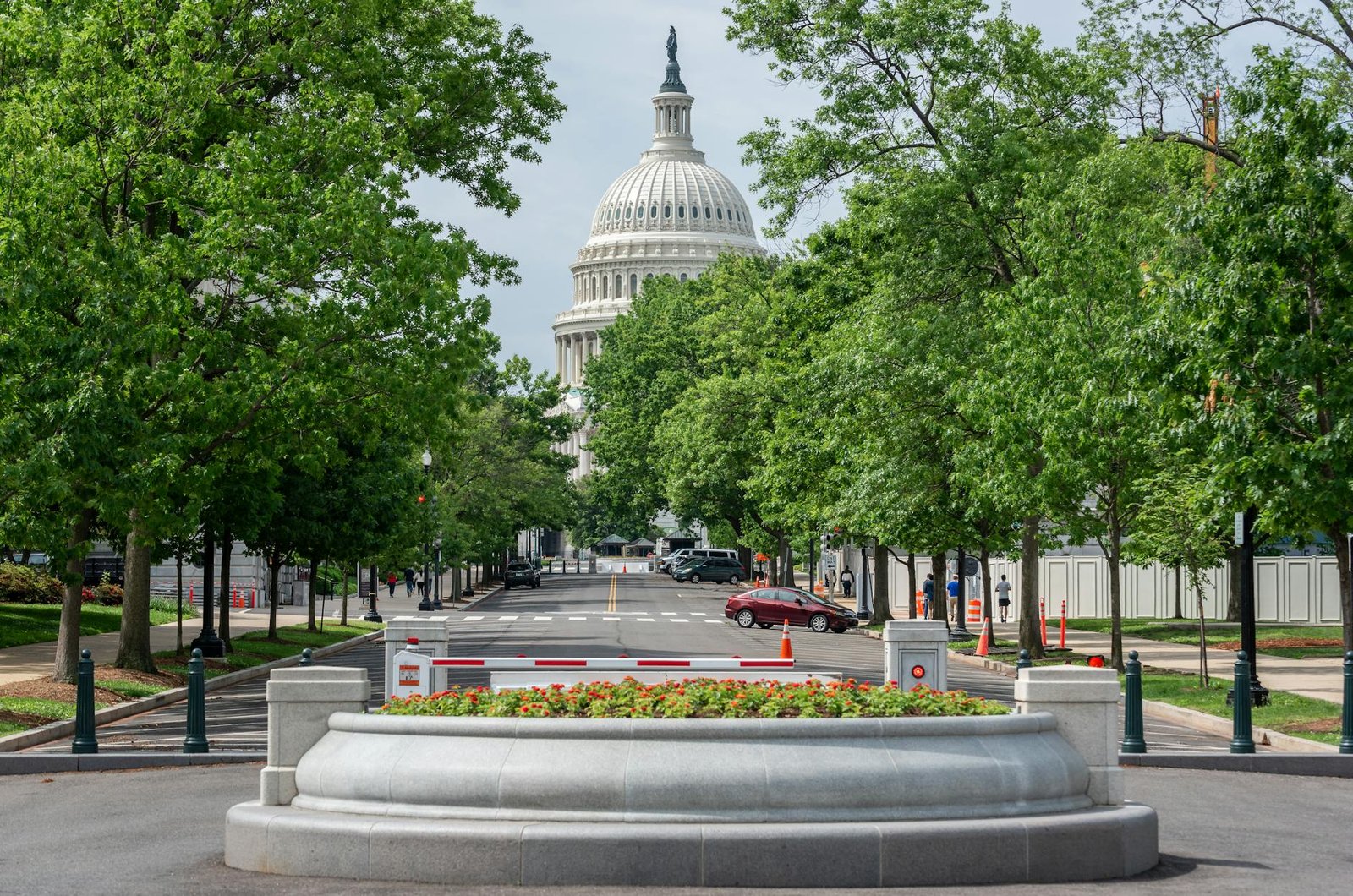
The DEATH BETS Act is currently under review in the Senate Committee on Banking, Housing, and Urban Affairs. If passed, it could set a new standard for ethical conduct in financial markets and influence similar regulations globally.
As the bill moves forward, it will be crucial to strike a balance between preventing harmful practices and maintaining the integrity and innovation of prediction markets. The outcome of this legislation could have far-reaching implications for how we view and regulate financial instruments in the digital age.
About the Author