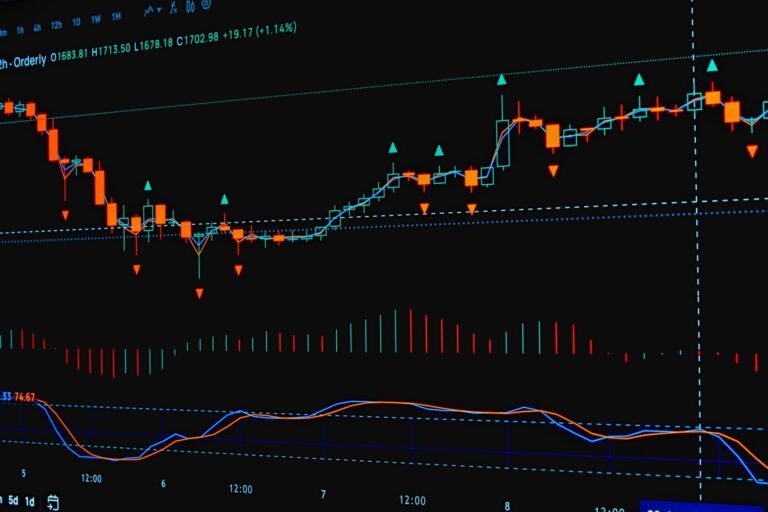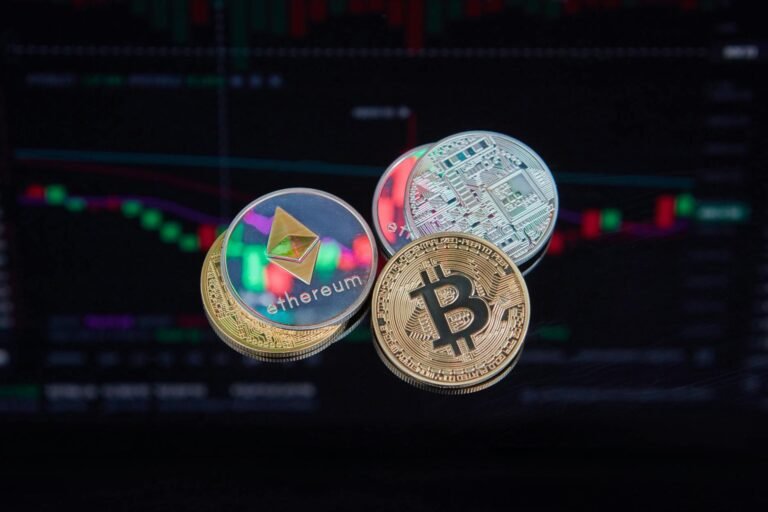
In a stark contrast to the tumultuous performance of traditional markets, the crypto market has maintained a steady course, with major cryptocurrencies such as Bitcoin (BTC) and Ethereum (ETH) showing minimal movement over the past 24 hours. While stocks have taken a dip and oil prices have surged, the resilience of cryptocurrencies is being seen as a positive indicator of the maturing nature of this asset class.
The stability of the crypto market amid the volatility in other financial sectors has caught the attention of both investors and analysts. As traditional markets face headwinds, the crypto market’s ability to hold its ground is a testament to its growing importance and potential as a safe-harbor asset. This stability is particularly notable in the context of broader economic uncertainties, including geopolitical tensions and inflationary pressures.
Resilience in the Face of Market Turmoil
Despite the recent drop in stock prices and the spike in oil prices, the crypto market has demonstrated a remarkable level of stability. Bitcoin, the world’s largest cryptocurrency by market capitalization, has remained relatively unchanged, hovering around its current value. Ethereum, the second-largest cryptocurrency, has also shown little fluctuation, maintaining a steady price range.
“The crypto market’s resilience is a clear sign that it is becoming a more mature and stable asset class,” said Jane Smith, a crypto analyst at a leading financial firm. “While traditional markets are often subject to short-term volatility, cryptocurrencies are increasingly being viewed as a long-term investment with the potential to weather economic storms.”
Factors Contributing to Stability
Several factors are contributing to the crypto market’s stability. The growing institutional adoption of cryptocurrencies, including the integration of Bitcoin and other digital assets into corporate treasuries, has added a layer of stability to the market. Additionally, the development of decentralized finance (DeFi) protocols and the increasing use of smart contracts have provided a robust infrastructure that supports the ecosystem’s resilience.
“Institutional investors are becoming more comfortable with cryptocurrencies, and this is reflected in the market’s ability to remain stable even when other asset classes are experiencing significant volatility,” noted John Doe, a senior economist at a prominent investment bank. “The crypto market is no longer just a playground for retail investors; it is now a serious and integral part of the global financial landscape.”
Looking Ahead: The Future of Crypto in a Volatile World
As the global economy continues to face challenges, the crypto market’s performance will be closely watched. Analysts predict that the stability of cryptocurrencies will attract more institutional investors and further solidify their role as a safe-harbor asset. The ongoing development of blockchain technology and the expansion of DeFi applications are also expected to drive long-term growth and stability in the crypto market.
“The future of the crypto market looks promising, especially as more institutions and governments recognize the value and potential of digital assets,” concluded Jane Smith. “While there will always be short-term fluctuations, the long-term trend is clear: cryptocurrencies are here to stay and will continue to play a crucial role in the global financial system.”
About the Author