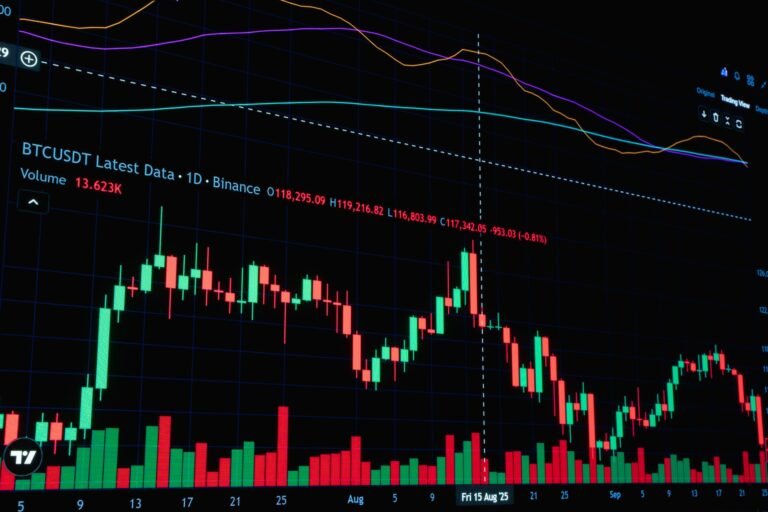
In a dramatic market move, Bitcoin has reclaimed the $73,000 mark as the Iran-Israel conflict sends shockwaves through global financial markets.
The digital asset has outperformed traditional safe-havens and equities, rising about 8% since the first strikes against Iran. This surge places Bitcoin ahead of gold, silver, and major U.S. equity indexes during a period of heightened geopolitical tension. Gold has declined by roughly 3% and silver by more than 10%, while the S&P 500 and Nasdaq Composite each fell between 1% and 2%.
The divergence in performance is particularly notable as global markets grapple with a surge in energy prices. Crude oil has climbed close to 20%, breaking above $100 per barrel for the first time in nearly four years, amid threats to supply routes in the Middle East. Typically, such conditions pressure crypto markets, as higher oil prices and tighter financial conditions raise inflation concerns and reduce risk appetite across portfolios.
Initially, Bitcoin followed the expected pattern, dropping sharply as traders liquidated leveraged positions. However, the market’s response changed in the following week. Bitcoin steadily recovered, breaking back above the $70,000 level and outperforming metals and equities despite the challenging macroeconomic backdrop.
Derivatives data shows that part of the recovery was driven by a reset in market leverage. After the liquidation event cleared large speculative positions, traders began rebuilding exposure. Open interest across major exchanges climbed back to about 88,000 BTC, signaling renewed participation without reaching extreme leverage levels that often precede sharp corrections.
Institutional demand also played a crucial role in the rebound. U.S. spot Bitcoin exchange-traded funds (ETFs) recorded strong inflows, attracting about $586 million during the week. This steady flow of capital represents a significant source of demand, even as geopolitical tensions intensified and inflation concerns returned.
Robert Mitchnick, head of digital assets at BlackRock, noted that ETF investors have remained stable during periods of volatility. Speaking on CNBC, Mitchnick emphasized that the investor base, including financial advisors, institutions, and direct retail buyers, has taken a steady approach to the asset, often using price weakness to add exposure. The iShares Bitcoin Trust ETF (IBIT) continued to attract inflows despite a sharp drop in Bitcoin’s price from its previous peak, ranking among the largest ETF inflows globally in 2025 even as the underlying asset declined.
The growth of spot ETFs has expanded Bitcoin’s investor base and deepened market liquidity compared to earlier geopolitical episodes. Institutional capital can now enter the market through regulated products that trade alongside equities, reinforcing Bitcoin’s status as a liquid macro asset that reacts to both global market forces and crypto-native demand.
While oil, inflation expectations, and central bank policy continue to shape the backdrop, Bitcoin’s performance during the conflict has reinforced its role as a resilient asset. Despite the volatile geopolitical environment, the digital asset has managed to recover faster than many traditional benchmarks, highlighting its potential as a hedge against uncertainty.
At the time of writing, Bitcoin is trading at $72,941, demonstrating its ability to weather significant market disruptions and maintain its position as a leading asset in the digital economy.
About the Author