Bitcoin (BTC) has reclaimed the $73,000 mark, a significant milestone amid a backdrop of economic uncertainty and geopolitical tensions. The surge, which comes as the U.S. reports tepid economic growth and ongoing conflicts in the Middle East, has reignited debates about whether the cryptocurrency’s bear market is truly over.
Market Dynamics and Economic Indicators
The U.S. economy grew by just 0.7% between October and December 2025, a stark downgrade from earlier estimates, according to a recent report from the U.S. Commerce Department. This sluggish growth has increased the risk of a recession in 2026, driving investors to seek safer havens, including Bitcoin. The yield on the 10-year U.S. Treasury bond has also risen to 4.26%, signaling that investors are demanding higher returns to hold these assets, further fueling the shift towards Bitcoin.
Institutional Interest and ETF Flows
Institutional demand for Bitcoin has been a key driver of the recent price surge. Spot exchange-traded funds (ETFs) have seen net inflows totaling $583 million over four consecutive days, while MicroStrategy has reportedly accumulated over $900 million in Bitcoin through its yield-bearing STRC instrument. These inflows have contributed to a 14% rally in Bitcoin prices, though the market has shown some volatility, with prices slipping 10% over the following four days.
Bear Market Concerns Persist
Despite the bullish momentum, concerns remain about the sustainability of the current rally. Bitcoin’s 50-day correlation with the Nasdaq 100 is at 84%, indicating that the cryptocurrency is still closely tied to tech stocks. As inflation remains sticky and economic growth stagnates, the likelihood of a stock market pullback increases, which could negatively impact Bitcoin’s performance.
Additionally, oil prices remain elevated, sitting about $30 higher than pre-war levels. This increase in fuel costs is putting additional pressure on consumer spending and creating inflationary pressures, which could reduce the capital available for crypto investments. The recent decision by the U.S. Treasury to temporarily authorize the purchase of Russian oil stranded at sea has provided some short-term relief, but the broader economic and geopolitical risks remain significant.
Technical Analysis and Forward-Looking Insights
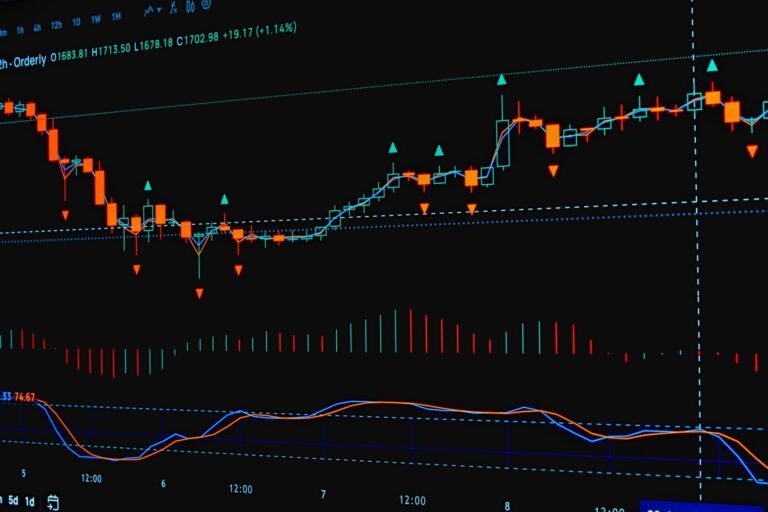
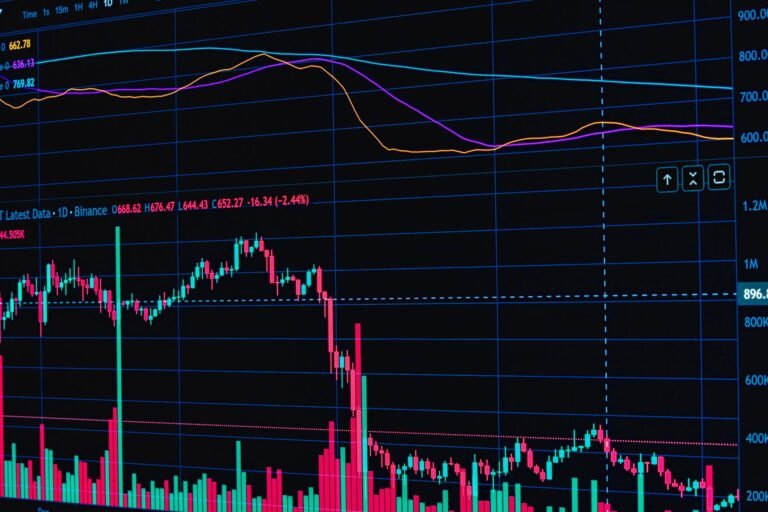
Technical indicators suggest that while Bitcoin has shown resilience, a clear breakout signal is still lacking. The five-week consolidation and multiple tests of the $64,000 support level indicate that bulls are confident, but the recent price action has not provided a decisive signal. Whether Bitcoin can maintain its position above $70,000 over the weekend may not significantly shift investor sentiment, but sustained strength could be a bullish sign for the longer term.
While the current economic and geopolitical landscape presents both opportunities and challenges for Bitcoin, the ongoing institutional interest and robust technical support levels suggest that the cryptocurrency may continue to attract investors. However, the bear market narrative is far from over, and traders should remain cautious as the market navigates these complex dynamics.
About the Author