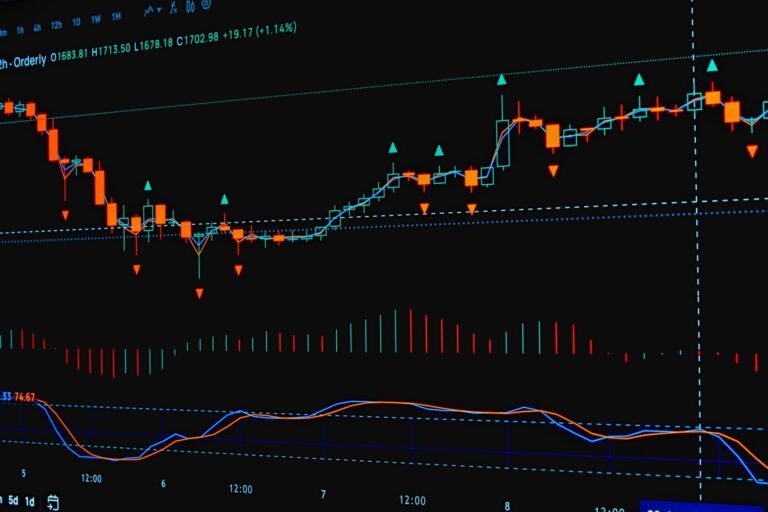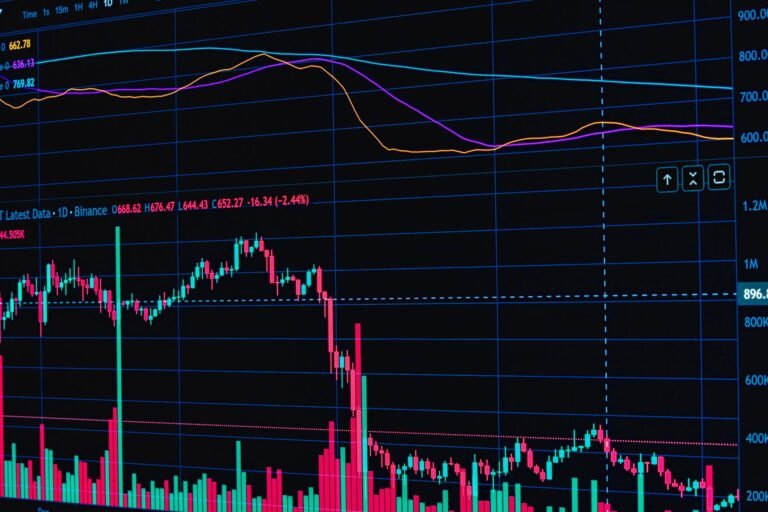
Bitcoin (BTC) is defying broader market trends, posting its strongest weekly gain since September 2025, amid escalating geopolitical tensions. As the US and Israel-Iran conflict intensifies, BTC has risen more than 7% over the past week, reaching around $70,625, while the S&P 500 has fallen by 1.60%.
One of the key drivers behind this surge is the potential for a significant Bitcoin purchase by Strategy, a company known for its strategic investments in BTC. According to estimates from STRC.LIVE, Strategy may have raised $776 million this week through at-the-market sales of its STRC instrument, which could translate into the acquisition of over 11,000 BTC.
STRC: Fueling Bitcoin’s Ascent
STRC is Strategy’s exchange-traded income-paying instrument designed to raise investor capital for Bitcoin purchases. When STRC trades at or above its $100 par value, Strategy can issue more shares, converting the demand into fresh BTC-buying capital. This mechanism has proven effective, with Strategy purchasing 17,994 BTC last week, equivalent to about $1.28 billion, with 30% of the allocation funded by STRC sale proceeds.
US ETFs Add Momentum
The momentum in Bitcoin’s price has also been bolstered by US spot Bitcoin ETFs, which attracted $767 million in net inflows over five consecutive trading days. This influx of capital reflects growing institutional and retail investor interest in BTC, despite the ongoing geopolitical crisis.
Historical Patterns and Future Outlook
Historically, Bitcoin has shown resilience during geopolitical conflicts. In February 2022, the Russia-Ukraine conflict initially caused a dip in BTC prices, but this was followed by a 40% rally. Similarly, after Israel’s June 2025 strikes on Iran, Bitcoin experienced a brief downturn before recovering and gaining about 25% over the next two months. The same pattern was observed in January 2020, following the US-Iran tensions, where Bitcoin rose more than 50% overall.
Bear Flag Formation Signals Caution
Despite the positive momentum, a bear flag formation on the Bitcoin chart suggests potential downside risks. A bear flag forms when the price rises inside an ascending, parallel channel after a strong downtrend. If the price breaks below the lower boundary, it could fall by as much as the previous downtrend’s height. As of Saturday, Bitcoin showed signs of upside exhaustion near the flag’s upper boundary, aligning with the 50-day exponential moving average (50-day EMA) at around $72,750. Applying the bear flag principle places the measured downside target at around $51,000.
While the bear flag formation adds a layer of caution, the overall bullish sentiment driven by Strategy’s potential $776 million BTC purchase and the inflows into US Bitcoin ETFs suggests that Bitcoin could continue to see strong performance in the coming weeks. However, investors should remain vigilant and monitor both technical indicators and geopolitical developments closely.
About the Author