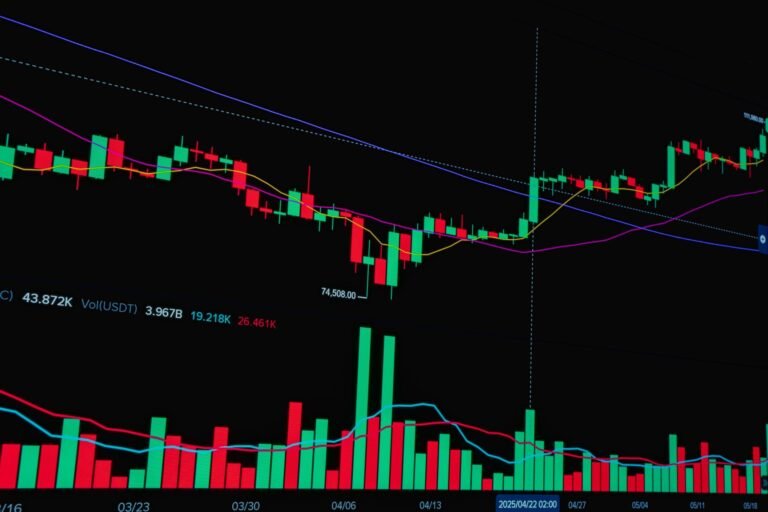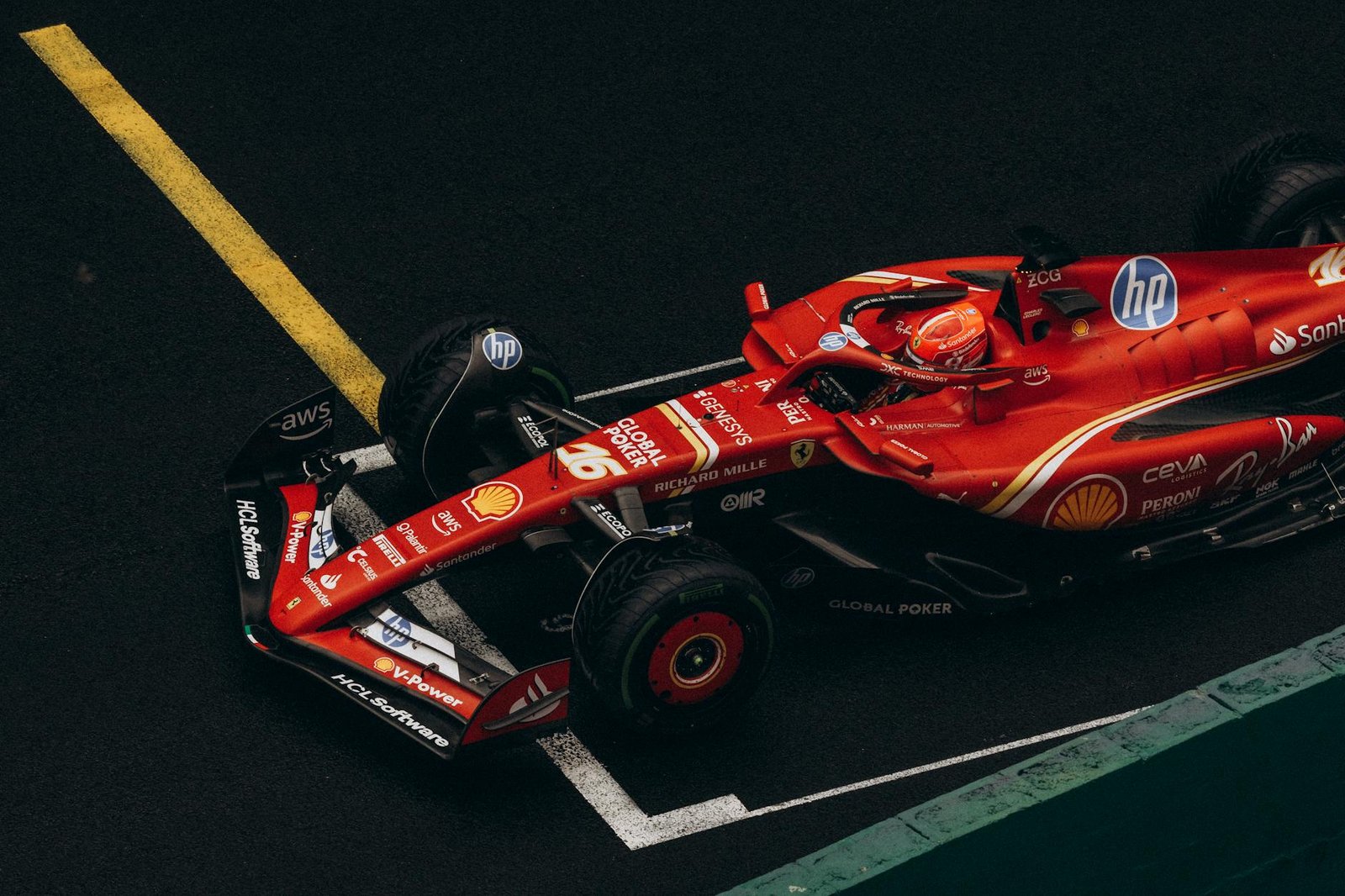
Formula One’s high-stakes world of speed and technology is facing a significant challenge as two races in the Middle East are on the brink of cancellation due to escalating regional conflict. This development not only disrupts the F1 calendar but also jeopardizes lucrative cryptocurrency sponsorship deals that have become integral to the sport’s financial ecosystem.
Regional Turmoil Impacts F1 Schedule
The Formula One Group, under the stewardship of the Fédération Internationale de l’Automobile (FIA), has been forced to reassess its Middle East races amid growing security concerns. The cancellation of these events, which are typically hosted in countries like Bahrain and the United Arab Emirates, could have far-reaching implications for the teams and sponsors involved.
Cryptocurrency Sponsors at Risk
Cryptocurrency companies have been increasingly prominent in F1, with several teams securing multi-million-dollar sponsorship deals. These partnerships have not only provided financial support but have also helped to enhance the visibility of digital assets in the mainstream. However, the potential cancellation of the Middle East races could lead to a breach of contract, leaving these companies and teams in a legal and financial limbo.
Economic and Strategic Implications
The impact of these cancellations extends beyond the immediate financial losses. For teams, the loss of sponsorships could affect their operational budgets, development programs, and even their competitiveness on the track. For cryptocurrency companies, the high-profile exposure they gain from F1 is a critical component of their marketing strategies, helping to build brand trust and attract new users.
Looking Ahead
As the situation in the Middle East remains volatile, the FIA and F1 teams are exploring alternative solutions to mitigate the impact of the potential cancellations. This could include rescheduling the races to later in the season or finding new venues that can meet the high standards of F1. The resilience and adaptability of the sport will be tested, but the importance of maintaining strong relationships with sponsors, especially in the rapidly evolving world of cryptocurrency, cannot be overstated.
In the long term, the F1 community must navigate the complexities of global politics and regional conflicts while continuing to innovate and attract new audiences. The future of F1’s partnership with the cryptocurrency industry remains uncertain, but the sport’s ability to adapt and overcome challenges has been a hallmark of its success for decades.
About the Author