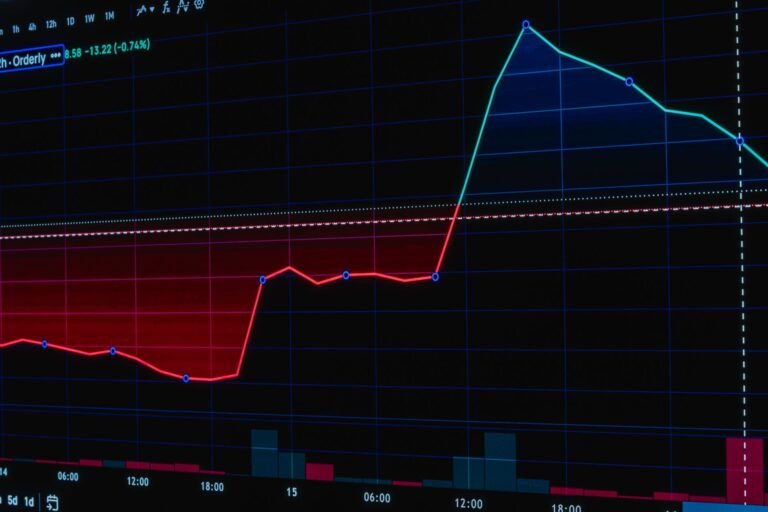
Bitcoin’s hashrate, a critical measure of the network’s security and computational power, has dipped below the 1 zettahash per second (ZH/s) mark. This decline comes as miners grapple with thin margins, with the hashprice daily rate settling at a mere $31 per petahash per second (PH/s).
The Struggle for Bitcoin Miners
The hashrate of a blockchain network represents the total computational power dedicated to verifying transactions and securing the network. For Bitcoin, this metric has long been a barometer of the health and resilience of the cryptocurrency ecosystem. However, the recent drop below 1 ZH/s signals a significant challenge for miners.
Miners are the backbone of the Bitcoin network, using specialized hardware to solve complex mathematical problems and add new blocks to the blockchain. In return, they receive newly minted bitcoins and transaction fees. The profitability of mining is highly dependent on the price of Bitcoin and the cost of electricity. Currently, with Bitcoin’s price under pressure and electricity costs rising, many miners are finding it increasingly difficult to stay afloat.
Revenue Pressures Mount
The hashprice, which is the amount of money miners can earn per unit of computational power, has also taken a hit. At $31 per PH/s, the current rate is far below the levels seen during the bull market, when miners could earn significantly more for their efforts. This has led to a situation where many miners are operating at a loss or barely breaking even.
“The current environment is challenging for miners,” said Alex Thorn, a crypto analyst at Galaxy Digital. “With the hashprice so low, many miners are struggling to cover their operational costs, let alone turn a profit.”
Implications for the Network
A lower hashrate can have several implications for the Bitcoin network. While the network remains secure due to its decentralized nature, a sustained decline in hashrate could make it more vulnerable to certain types of attacks, such as a 51% attack, where a single entity or group gains control of more than half of the network’s computational power.
However, Bitcoin’s adaptive difficulty mechanism, which adjusts the difficulty of mining every 2016 blocks (approximately every two weeks), helps to mitigate these risks. As the hashrate drops, the difficulty is reduced, making it easier for miners to find new blocks and maintain the network’s security.
Looking Ahead
Despite the current challenges, some analysts remain optimistic about the long-term prospects for Bitcoin mining. As the technology continues to evolve and new, more efficient mining hardware becomes available, the cost of mining could decrease, making it more profitable for miners to participate in the network.
“While the short-term outlook is tough, the long-term fundamentals of Bitcoin remain strong,” said Michael Saylor, CEO of MicroStrategy, a company that has heavily invested in Bitcoin. “The network’s resilience and the growing adoption of Bitcoin as a store of value and medium of exchange will continue to drive demand and, ultimately, profitability for miners.”
For now, the focus for miners is on cost optimization and efficiency. Many are exploring renewable energy sources and more energy-efficient mining equipment to reduce their operational costs. As the market evolves, the resilience and adaptability of Bitcoin miners will be key to the network’s continued success.
About the Author