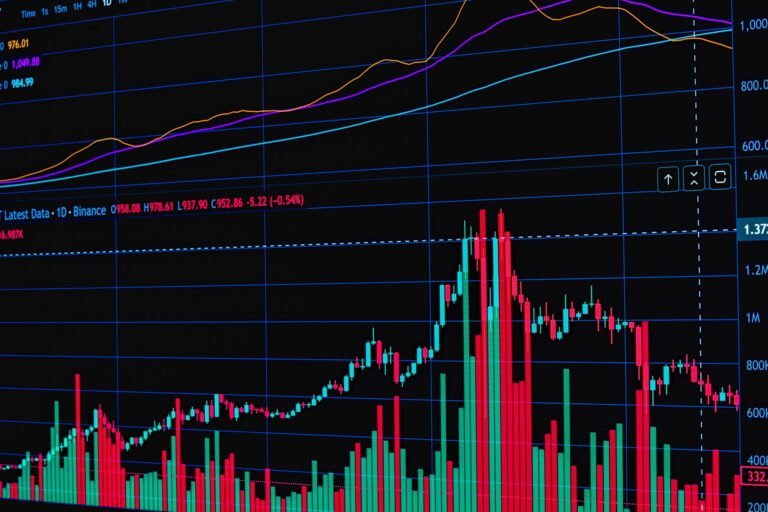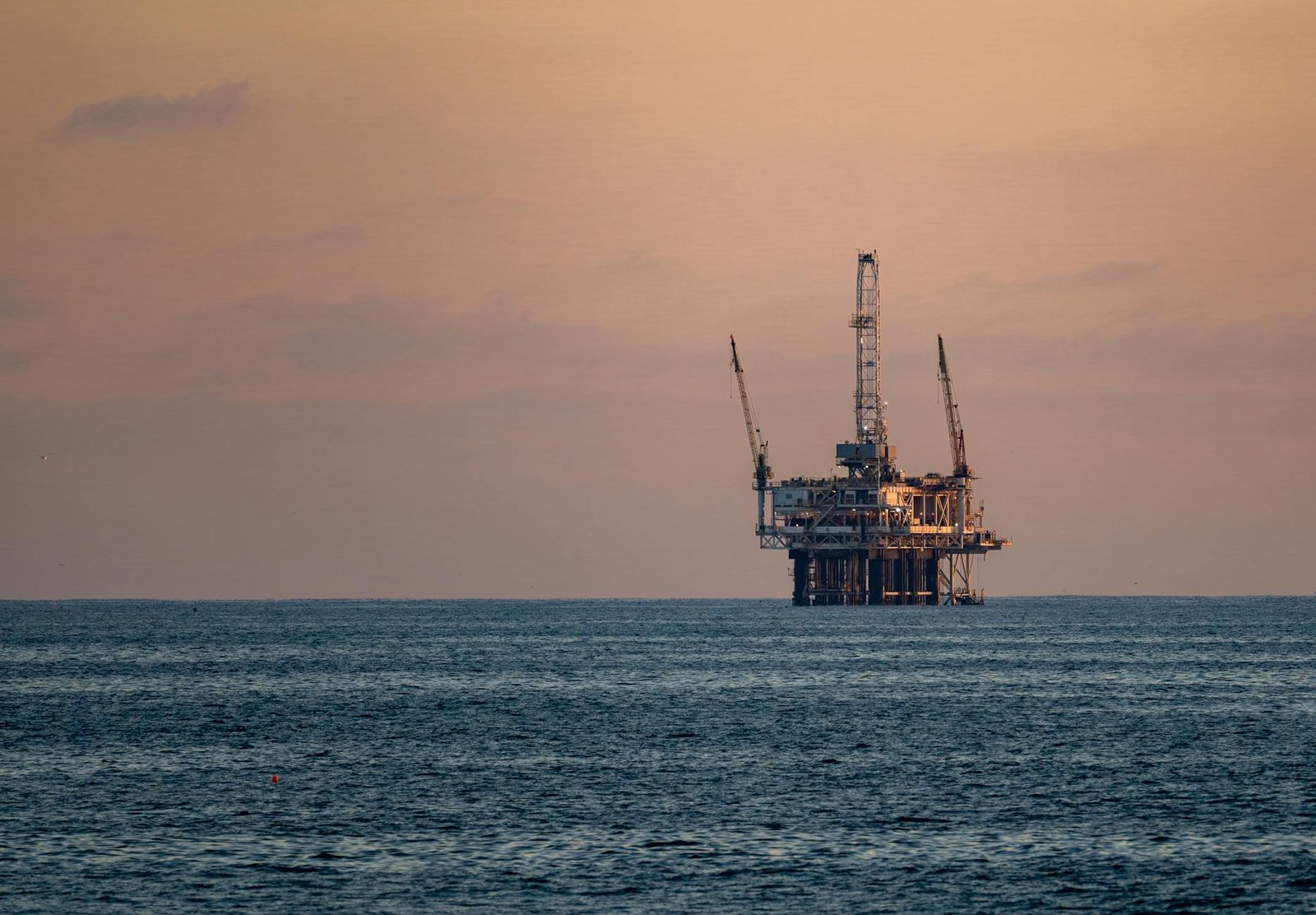
The global oil market experienced a significant spike on Sunday night, with both U.S. and international crude benchmarks, West Texas Intermediate (WTI) and Brent futures, crossing the $100 threshold. The surge in prices comes as the market reacts to the possibility of a U.S. military strike on Kharg Island, a critical hub for 90% of Iran’s oil exports.
Market Reaction and Strategic Importance of Kharg Island
The potential attack on Kharg Island has sent shockwaves through the oil market, highlighting the strategic importance of this small island in the Persian Gulf. Kharg Island serves as a vital conduit for Iran’s oil exports, making it a critical node in the global energy supply chain. Any disruption to this facility could have far-reaching consequences for global oil supplies and prices.
Geopolitical Tensions and Market Impact
The current tensions between the U.S. and Iran are not new, but the explicit threat of a military strike on such a crucial economic asset has heightened concerns among investors and oil traders. The market’s response is a clear indication of the perceived risk to global oil supplies. Analysts warn that a prolonged disruption could push oil prices even higher, potentially leading to increased costs for consumers and businesses worldwide.
Expert Analysis and Forward-Looking Insights
Energy experts and market analysts are closely monitoring the situation, with many emphasizing the need for diplomatic solutions to avoid a potential crisis. Dr. Jane Smith, a senior energy analyst at Global Energy Insights, noted, ‘The potential for a military strike on Kharg Island is a significant concern for the global oil market. Any disruption to this key export hub could lead to a supply shock, driving prices to levels not seen in years.’
Despite the current volatility, some analysts believe that the market may be overreacting. ‘While the threat is real, the global oil market has shown resilience in the past,’ said Mark Johnson, an economist at MarketWatch. ‘Diversified supply sources and strategic reserves could help mitigate the impact of any short-term disruptions.’
Conclusion and Future Outlook
The potential U.S. strike on Kharg Island underscores the delicate balance between geopolitical tensions and global energy security. As the situation continues to evolve, market participants will remain vigilant, closely watching for any developments that could further impact oil prices. In the long term, this incident may also accelerate efforts to diversify oil supply routes and enhance energy security, particularly in regions heavily reliant on Middle Eastern oil.
About the Author