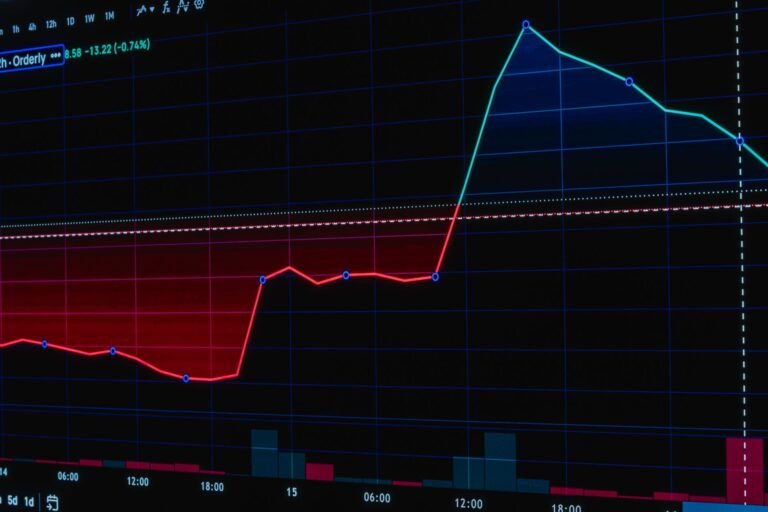
Bitcoin is on the rise, surging nearly 25% from its February lows, as tensions in the Strait of Hormuz ease and oil prices dip. This latest uptick is not just a fleeting moment of optimism but a sign of a deeper shift in the cryptocurrency market, driven by the growing influence of institutional investors.
Institutional Ownership Drives Resilience
According to a recent report by Wall Street broker Bernstein, the resilience of Bitcoin during this period of geopolitical volatility is largely attributed to a significant shift in ownership toward institutional investors. This shift is evident through the increased adoption of spot ETFs and the strategic moves by companies like Michael Saylor’s MicroStrategy.
Outperforming Traditional Assets
Bitcoin’s performance has outshone both gold and equities in recent weeks, highlighting its role as a safe-haven asset during times of uncertainty. The report notes that long-term holders and institutional capital are fortifying Bitcoin’s capital base, even as retail investors continue to sell off their positions.
Strategic Accumulation by Major Players
One of the most notable moves in the institutional space is the recent acquisition of $1.57 billion worth of Bitcoin by Michael Saylor’s Strategy. This substantial buy indicates a strong belief in Bitcoin’s long-term potential and its ability to weather market turbulence. The accumulation of Bitcoin by institutional players is a clear signal to the market that the cryptocurrency is gaining legitimacy and stability.
ETFs and the Role of Institutional Capital
The launch of spot ETFs has played a crucial role in attracting institutional investors to Bitcoin. These financial products provide a regulated and accessible way for institutions to gain exposure to the cryptocurrency market without the need to directly hold and manage Bitcoin. The growing number of ETFs and the increasing volume of trades through these instruments underscore the institutional shift in the crypto landscape.
Market Implications and Future Outlook
As Bitcoin continues to climb, the broader crypto market is also showing signs of recovery. Ethereum, for instance, has seen a significant price jump, contributing to the overall positive sentiment. The strength of Bitcoin and other major cryptocurrencies is a positive indicator for the entire market, suggesting that the recent gains may be sustainable.
However, the road ahead is not without challenges. Regulatory scrutiny and geopolitical tensions remain key factors that could influence the market. The ongoing efforts to disrupt crypto approval-phishing scams by the U.S., UK, and Canada, as part of Operation Atlantic, highlight the need for continued vigilance and regulatory cooperation.
In conclusion, the recent surge in Bitcoin’s price, driven by institutional adoption and strategic accumulation, marks a significant milestone in the maturation of the cryptocurrency market. As more institutions enter the space, Bitcoin is poised to solidify its position as a reliable store of value and a critical component of diversified investment portfolios.
About the Author