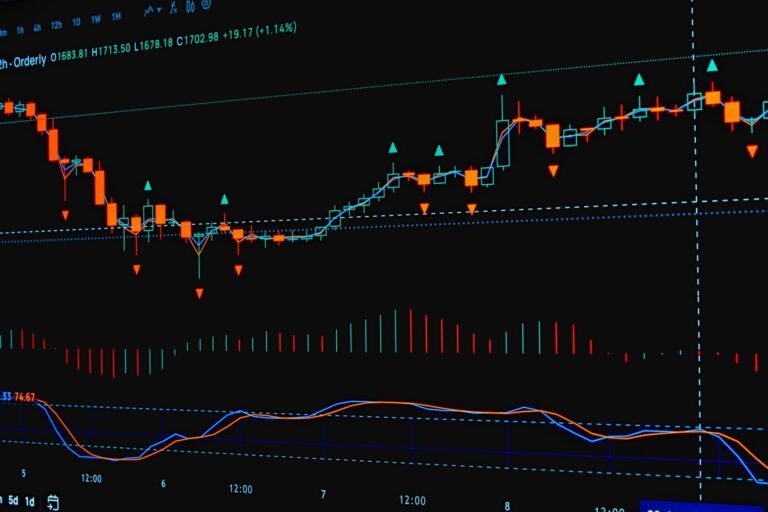
The world of cryptocurrencies has been abuzz with the news of increased institutional adoption of Bitcoin, yet the market’s reaction has been lukewarm at best. While major corporations, banks, and financial institutions are increasingly integrating Bitcoin into their strategies, the price of the leading cryptocurrency remains under pressure. This divergence between institutional enthusiasm and market sentiment raises questions about the true state of Bitcoin’s adoption and the factors influencing its price.
The Rise of Institutional Bitcoin
In recent months, a growing number of high-profile institutions have announced their foray into Bitcoin. Companies like MicroStrategy, Tesla, and Block (formerly Square) have not only invested significant amounts of their corporate treasuries in Bitcoin but have also integrated it into their payment systems and financial products. This trend is not limited to tech giants; traditional financial institutions such as JPMorgan, Goldman Sachs, and Citigroup have also started offering Bitcoin-related services to their clients.
The Market’s Cool Reception
Despite this institutional enthusiasm, Bitcoin’s price has been relatively stagnant, and at times, it has even declined. The disconnect between institutional adoption and market performance can be attributed to several factors. One key reason is the broader macroeconomic environment, which has been characterized by rising interest rates, inflation concerns, and geopolitical tensions. These factors have made investors more cautious, leading them to shy away from riskier assets like cryptocurrencies.
Supply and Demand Dynamics
Another factor is the supply and demand dynamics of Bitcoin. While institutional demand has increased, the overall supply of Bitcoin remains limited, with a maximum cap of 21 million coins. However, the rate at which new coins are mined has slowed, leading to a tightening of the supply. This should, in theory, drive prices higher, but the market is also influenced by the selling pressure from retail investors who may be liquidating their holdings due to economic uncertainties.
Regulatory Uncertainty
Regulatory uncertainty also plays a significant role in the market’s skepticism. Governments and regulatory bodies around the world are still grappling with how to classify and regulate cryptocurrencies. The lack of a clear and consistent regulatory framework can deter some investors from fully committing to Bitcoin. For instance, the U.S. Securities and Exchange Commission (SEC) has been slow to approve Bitcoin ETFs, which could provide a more accessible way for retail investors to gain exposure to the cryptocurrency.
The Future of Bitcoin
Looking ahead, the future of Bitcoin will likely be shaped by a combination of these factors. As more institutions adopt Bitcoin, the market may become more resilient to short-term volatility. However, the broader macroeconomic environment and regulatory landscape will continue to influence its price. For Bitcoin to achieve sustained growth, it will need to navigate these challenges and gain broader acceptance among both institutional and retail investors.
In the meantime, the ongoing institutional adoption of Bitcoin is a positive sign for the long-term health of the cryptocurrency ecosystem. It suggests that Bitcoin is becoming an increasingly important asset class, even if the market’s current reaction is muted. As the crypto landscape continues to evolve, the relationship between institutional adoption and market performance will be a key area to watch.
About the Author