As the Federal Reserve prepares to announce its latest interest rate decision, Bitcoin (BTC) has quietly climbed for eight straight days, raising eyebrows and sparking debates about whether the world’s leading cryptocurrency is finally breaking free from the broader macroeconomic trends. The sustained rally, which has seen BTC breach key resistance levels, has investors and analysts alike questioning the nature of the current market dynamics.
The Fed’s Dilemma and Bitcoin’s Rally
The Federal Open Market Committee (FOMC) is widely expected to hold interest rates steady at its upcoming meeting, amid growing criticism from President Donald Trump and concerns about the economic impact of further rate hikes. This cautious approach from the Fed has coincided with a notable surge in Bitcoin prices, leading some to speculate that the cryptocurrency is beginning to decouple from traditional financial markets.
Technical Indicators Point to Strength
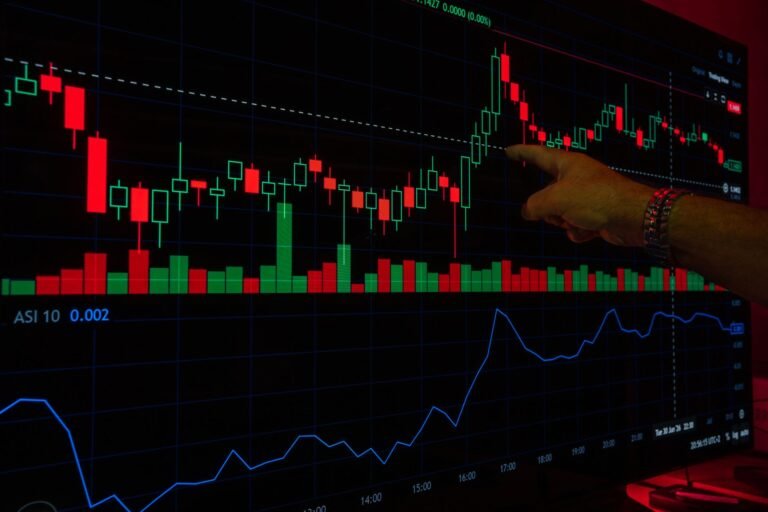
Technical analysis suggests that Bitcoin’s recent rally is more than just a short-term blip. Key indicators such as the Relative Strength Index (RSI) and Moving Average Convergence Divergence (MACD) are showing positive momentum, indicating that the uptrend may have more room to run. Additionally, the volume of trades has increased, suggesting that the rally is being driven by genuine demand rather than speculative trading.
Market Sentiment and Institutional Adoption
The surge in Bitcoin prices has also been accompanied by a shift in market sentiment. Retail investors, who have been cautious in recent months, are starting to show renewed interest, while institutional players continue to increase their exposure to the asset. Companies like MicroStrategy and Tesla, which have significant Bitcoin holdings, are often cited as examples of the growing acceptance of Bitcoin as a store of value and a hedge against inflation.
Is This the Beginning of a New Era?
The question on everyone’s mind is whether this rally marks the beginning of a new era for Bitcoin, where it can operate independently of macroeconomic factors. While the Fed’s rate hold may have provided a temporary boost, the long-term decoupling of Bitcoin from traditional markets will depend on a variety of factors, including regulatory clarity, technological advancements, and broader adoption.
Some experts argue that the current rally is a sign of Bitcoin’s maturation as an asset class, capable of responding to its own unique set of supply and demand dynamics. Others remain cautious, noting that past rallies have often been short-lived and that the cryptocurrency market remains highly volatile.
Looking Ahead
As the FOMC meeting approaches, the eyes of the crypto community will be fixed on the Fed’s decision and the subsequent market reactions. If the rate hold is confirmed and Bitcoin continues to climb, it could signal a significant shift in the relationship between the cryptocurrency and traditional financial markets. However, if the rally falters, it may be seen as a temporary respite rather than a fundamental change.
Regardless of the outcome, the current market dynamics provide a fascinating case study in the evolving role of Bitcoin and the broader cryptocurrency ecosystem. As investors and analysts continue to monitor the situation, one thing is clear: the next few weeks could be pivotal in shaping the future of digital assets.
About the Author