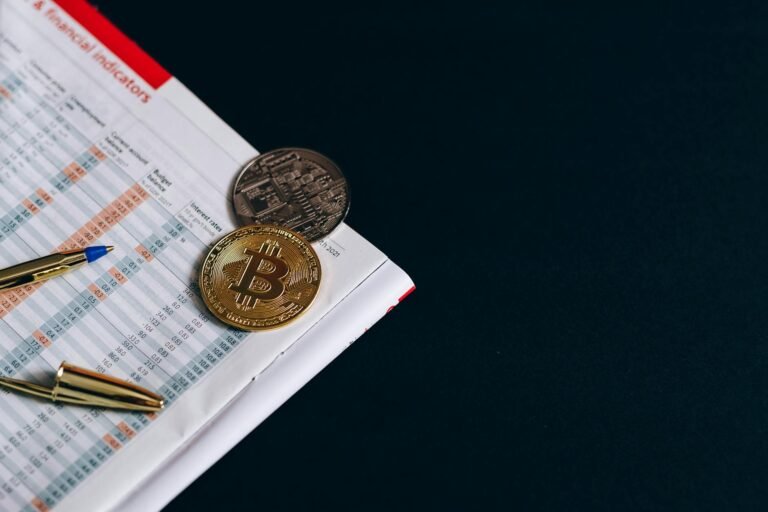
The Federal Reserve’s hopes for a soft landing were dealt a significant blow as February’s Producer Price Index (PPI) soared 0.7%, far exceeding market expectations. This sharp rise in wholesale prices underscores the ongoing struggle with inflation, casting a shadow over the Fed’s monetary policy and sending shockwaves through the cryptocurrency market, particularly affecting Bitcoin.
The Fed’s Tightrope Walk
The unexpected surge in PPI is a stark reminder that inflation remains a formidable challenge. The Fed, already under pressure to maintain economic stability, may now face increased scrutiny over its rate-hiking strategy. The higher-for-longer narrative, which suggests that interest rates will remain elevated for an extended period, has gained even more traction. This could mean further tightening of monetary conditions, potentially stifling economic growth and exacerbating market volatility.
Impact on Bitcoin
The news did not bode well for Bitcoin, which saw its value plummet to $72,000. The cryptocurrency, often seen as a hedge against inflation, has faced significant headwinds in recent months. The Fed’s hawkish stance and the broader macroeconomic environment have dampened investor sentiment, leading to a sell-off in risk assets, including digital currencies.
Market Reactions and Analyst Views
Analysts are divided on the long-term implications of the PPI data. Some argue that the Fed’s aggressive rate hikes could eventually tame inflation, restoring confidence in the market. Others warn that the economic fallout from prolonged high interest rates could be severe, potentially leading to a recession. This uncertainty has fueled volatility in both traditional and cryptocurrency markets.
Looking Ahead
The coming weeks will be crucial for both the Fed and the cryptocurrency market. Investors will closely monitor upcoming economic data and Fed communications for any hints of a policy shift. For Bitcoin, the path forward remains uncertain. While the digital asset has faced significant challenges, its resilience and potential as a store of value continue to attract a dedicated following. The broader adoption of blockchain technology and the growing interest from institutional investors could provide a cushion against the current market turbulence.
In the meantime, the Fed will need to navigate a delicate balance between curbing inflation and avoiding a recession. The outcome of this balancing act will have far-reaching implications for the global economy and the future of digital assets.
About the Author