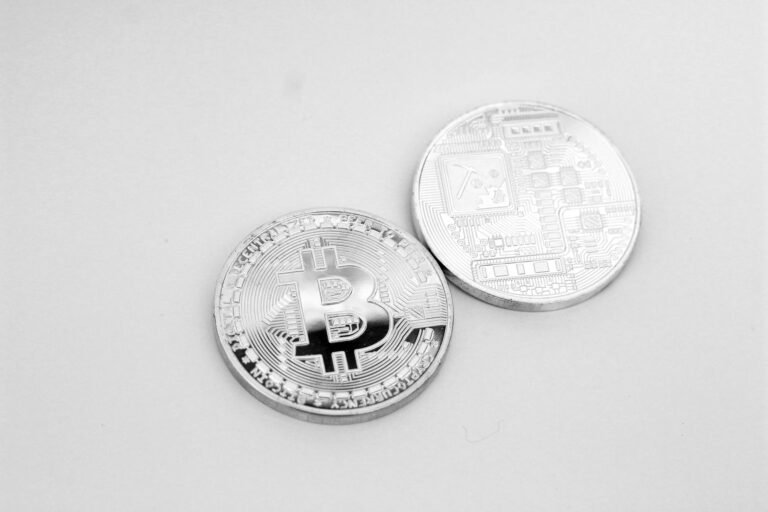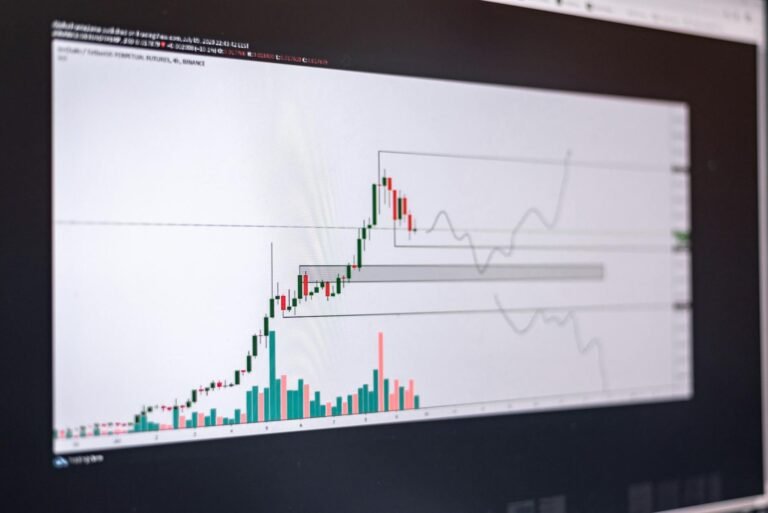
Bitcoin (BTC) took a nosedive, dipping below $67,000 at Tuesday’s Wall Street open, as risk assets across the board responded to escalating geopolitical tensions. Despite a significant purchase by Strategy, the world’s largest corporate holder of Bitcoin, the cryptocurrency market remained under pressure, mirroring broader market jitters.
Geopolitical Uncertainty Weighs on Markets
The sell-off was not limited to Bitcoin; U.S. stocks and gold also saw declines. The S&P 500 and Nasdaq Composite Index were down by up to 1.25%, while gold fell to $4,842 per ounce. The primary catalyst for the market downturn was Iran’s naval drills in the Strait of Hormuz, a critical oil route, which heightened concerns about potential disruptions to global energy supplies.
Strategy’s Purchase Fails to Boost Confidence
Despite Strategy’s addition of nearly 2,500 BTC to its already substantial holdings, the move did little to reassure investors. CEO Michael Saylor confirmed that the company’s total Bitcoin holdings now stand at 717,131 BTC, with an average cost basis of just over $76,000. However, the market’s focus remained on the geopolitical risks rather than corporate buying.
Liquidity Challenges and Market Volatility
Data from CoinGlass revealed that the BTC price drop was exacerbated by a lack of bid liquidity. Significant sell orders were executed as the price sliced through nearby bid levels. Crypto trader and analyst Michaël van de Poppe noted, ‘It’s stuck in a range and simply consolidating, through which it’s a waiting game until volatility slows down and the expansion is about to game.’
Institutional Concerns and Quantum Computing
The threat of quantum computing breaking Bitcoin’s security model is also adding to institutional hesitancy. Kevin O’Leary, a Shark Tank cohost and venture capitalist, expressed concerns about the potential for quantum computers to crack Bitcoin’s cryptographic algorithms. ‘I’m still long this, but there’s a new concern floating around for 10% of the people out there: quantum, the idea that a quantum computer can break the chain,’ O’Leary said in an interview on FOX News. As a result, some institutions are capping their exposure to Bitcoin at 3% of their portfolios.
Looking Ahead
The current market environment is a testament to the interconnectedness of global financial markets. While corporate buys like Strategy’s can provide a floor for Bitcoin prices, they are not enough to overcome broader geopolitical concerns. The coming weeks will be crucial for assessing how these tensions evolve and whether they will continue to impact the cryptocurrency market. Investors and traders should remain vigilant and prepared for further volatility.
About the Author