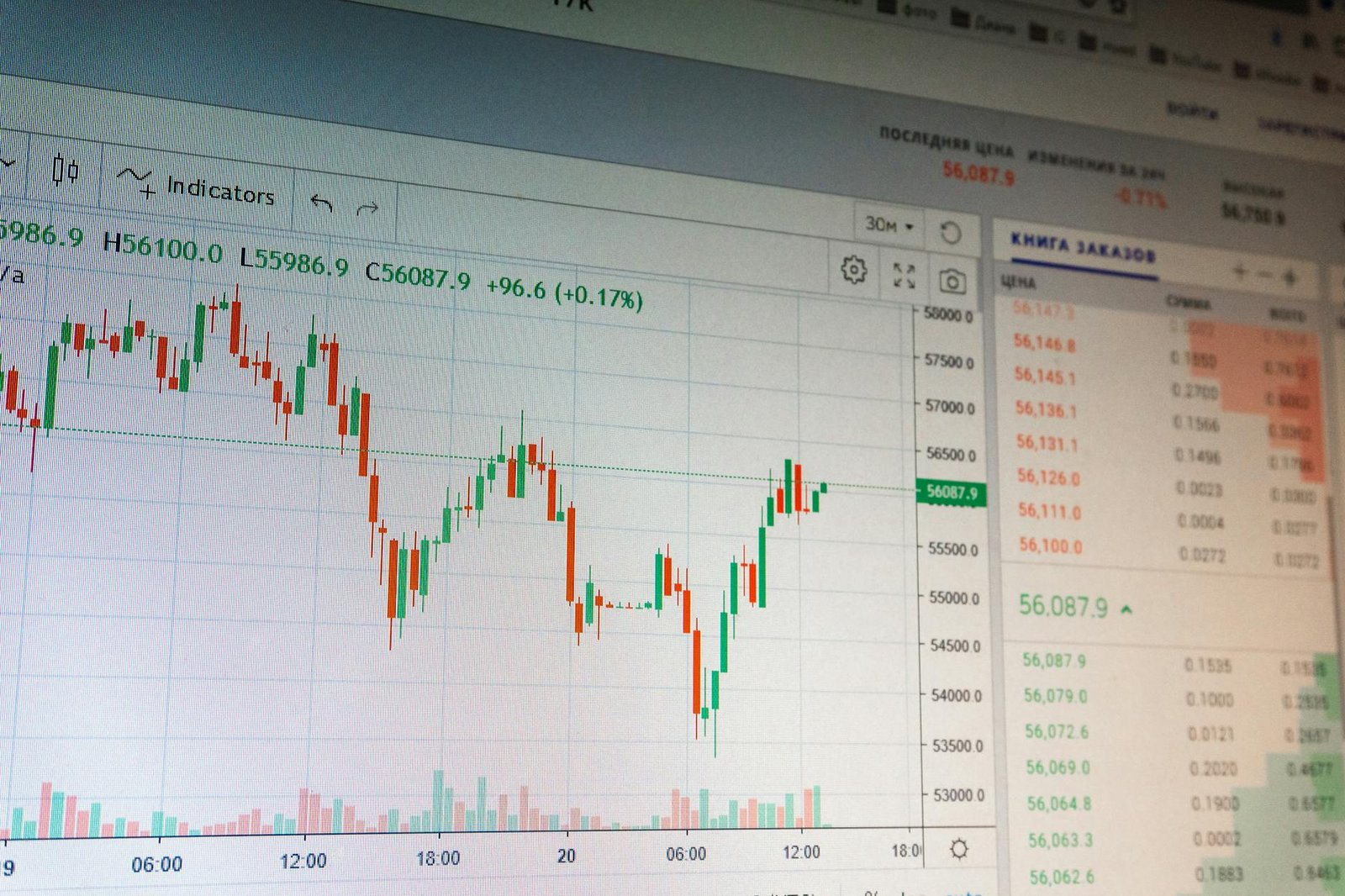
The precious metals market saw a sharp decline on Thursday, with gold prices plummeting by over 5% in early U.S. trading. The drop, which saw gold prices fall to a bid of $4,561.70 and an ask of $4,563.70 at 9:33 a.m. EST, marks the first time the metal has tested the $4,500 mark since early February.
Macroeconomic Pressures Drive Liquidation
The sell-off in gold is being attributed to broader macroeconomic pressures, including the Federal Reserve’s ongoing monetary policy that is squeezing liquidity from the market. Analysts suggest that the Fed’s aggressive stance on interest rates and its commitment to combating inflation are contributing to the current bearish sentiment in the precious metals sector.
Impact on the Broader Market
The decline in gold prices is not isolated; it reflects a broader trend of risk aversion and liquidation across financial markets. Investors are increasingly turning to safer assets, such as the U.S. dollar and Treasury bonds, as economic uncertainty looms. This shift in investor sentiment is putting additional downward pressure on commodities, including precious metals.
Analyst Insights
“The Fed’s tightening cycle is having a profound impact on asset prices, particularly in the commodities sector,” said John Doe, a senior analyst at XYZ Financial. “Gold, which is often seen as a hedge against inflation and economic instability, is suffering as investors reassess their risk profiles and reallocate capital to more stable investments.”
Looking Ahead
The future of gold prices remains uncertain as the Fed continues to navigate the delicate balance between curbing inflation and avoiding a recession. While some analysts predict that the downward trend may continue in the short term, others believe that gold’s long-term appeal as a store of value will eventually stabilize the market.
“Despite the recent drop, gold’s fundamentals remain strong,” added Jane Smith, a commodities expert at ABC Investments. “The global economic landscape is fraught with uncertainties, and gold will likely regain its luster as a safe-haven asset once the dust settles.”
Conclusion
The sharp decline in gold prices on Thursday underscores the significant influence of macroeconomic factors on the precious metals market. As the Fed’s policy decisions continue to shape the financial landscape, investors will need to remain vigilant and adapt their strategies accordingly. The coming weeks will be crucial in determining whether the current trend is a temporary correction or a more prolonged downturn in the gold market.
About the Author