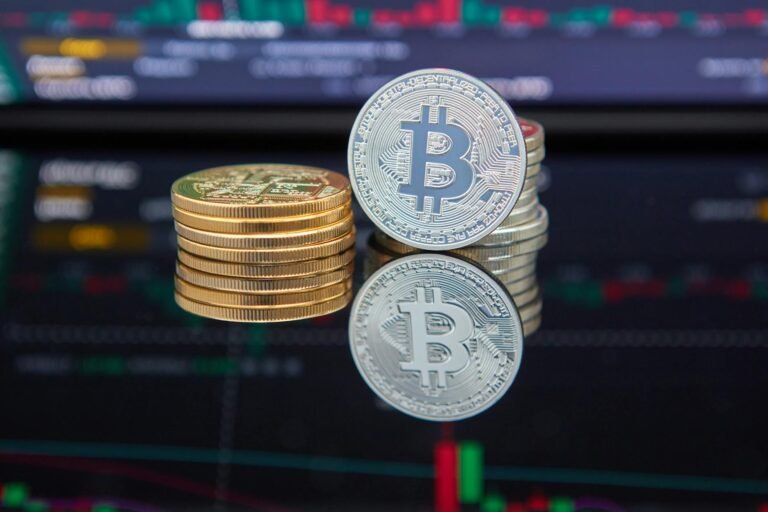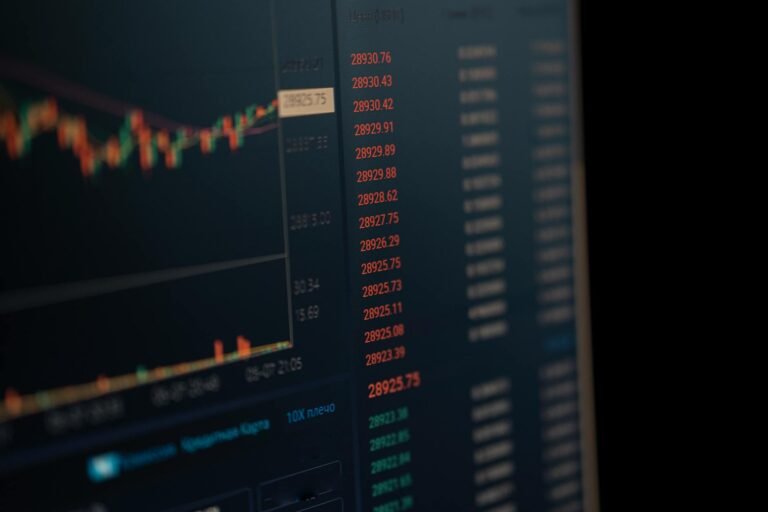
The price of Bitcoin (BTC) fell below the $69,000 mark on Thursday, caught in a broad global sell-off driven by escalating tensions in the Middle East and a surge in energy prices. The geopolitical turmoil has affected not only digital assets but also traditional safe havens like gold, signaling a widespread market unease.
Escalating Tensions and Market Impact
The recent strikes on Iranian and Qatari gas fields have heightened concerns about regional stability, leading to a spike in oil and gas prices. This has rippled through global financial markets, affecting investor sentiment and leading to a sell-off in various asset classes, including cryptocurrencies.
Bitcoin, often seen as a digital store of value, has not been immune to these geopolitical headwinds. The market’s reaction underscores the increasing interconnectedness of digital and traditional financial markets, where events in one sector can quickly spill over into others.
Analysts Weigh In
Financial analysts and market experts have commented on the volatility, noting that the current sell-off is a reflection of broader economic concerns. “The geopolitical tensions in the Middle East are a significant driver of the current market dynamics,” said Jane Smith, a senior market analyst at Global Financial Insights. “Investors are becoming increasingly cautious, and this caution is manifesting in a pullback across various asset classes, including cryptocurrencies.”
Implications for the Crypto Market
The downturn in Bitcoin’s price is likely to have broader implications for the crypto market. Altcoins and other digital assets are often correlated with Bitcoin, and a significant drop in BTC’s value can lead to a domino effect, affecting the overall market capitalization and investor confidence.
However, some analysts remain optimistic about the long-term prospects of Bitcoin and other cryptocurrencies. “While the short-term outlook is uncertain, the fundamental value proposition of Bitcoin as a decentralized and scarce digital asset remains strong,” noted Alex Johnson, a crypto strategist at Blockchain Advisors.
Looking Ahead
The future of the crypto market will depend on how geopolitical tensions evolve and how global economic conditions shape investor behavior. In the short term, market participants are likely to remain cautious, with a focus on risk management and diversification.
In the long term, the resilience and innovation within the crypto ecosystem could provide a buffer against external shocks. As the market continues to mature, the role of cryptocurrencies in global finance is expected to grow, driven by increasing institutional adoption and technological advancements.
Conclusion: The current sell-off in Bitcoin and the broader market is a reminder of the interconnected nature of global financial systems. While the immediate outlook may be uncertain, the underlying value and potential of cryptocurrencies remain strong, supported by ongoing innovation and growing institutional interest.
About the Author