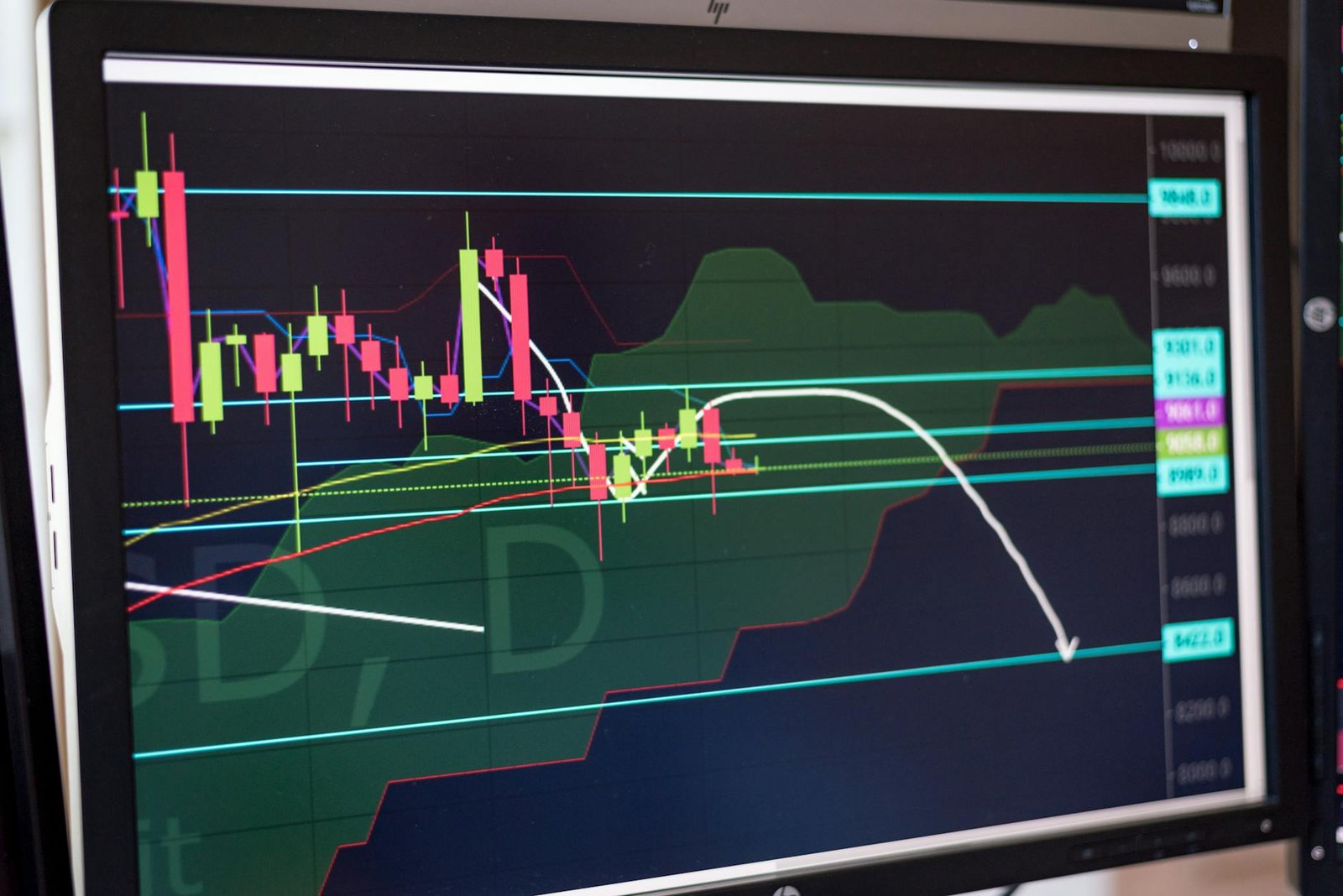
In a week marked by geopolitical tensions and market volatility, Bitcoin (BTC) has held steady above the $68,000 mark, defying broader market trends. The resilience of the world’s leading cryptocurrency stands in stark contrast to the ongoing decline of gold and Asian stocks, both of which are grappling with the fallout from the Iran conflict and broader macroeconomic pressures.
Gold’s Continued Slide
Gold, traditionally a safe-haven asset, has been on a downward trajectory for the ninth consecutive day, plummeting to $4,360. The prolonged sell-off has raised concerns among investors about the reliability of gold as a hedge against economic uncertainty. Analysts attribute the decline to a combination of rising risk appetite and the U.S. dollar’s strength, which has made the precious metal less attractive to foreign buyers.
Asian Markets Under Pressure
Asian stock markets have also come under pressure, with major indices dropping for a third consecutive session. The region’s equities are being weighed down by a mix of domestic economic challenges and external factors, including the ongoing Iran conflict and the potential for further sanctions. The conflict, now in its fourth week, has injected a new level of uncertainty into global markets, leading to a flight from riskier assets.
Bitcoin’s Steady Performance
Despite the turmoil, Bitcoin has maintained its position above $68,000, showcasing its resilience in the face of market volatility. The cryptocurrency’s stability has not gone unnoticed, with many investors and analysts viewing it as a viable alternative to traditional safe-haven assets. This sentiment is further reinforced by the growing institutional interest in Bitcoin, which continues to attract large investors seeking diversification and protection against inflation.
FTX Payouts and Political Implications
The ongoing saga of FTX, the once-prominent cryptocurrency exchange, has taken a new turn as Sam Bankman-Fried’s parents made a televised appeal for clemency. In an interview on CNN’s Smerconish, they argued that their son’s conviction is unjust, citing the fact that FTX customers are being repaid in full with interest. However, critics have pointed out that these recoveries are calculated in 2022 dollar values, meaning that many crypto holders are receiving far less than the current market value of their assets.
The parents’ defense that Alameda Research’s use of customer funds was routine borrowing has sparked a heated debate about regulatory standards and the ethical implications of the practices that led to FTX’s collapse. This politically charged push for clemency has been met with skepticism, particularly from those who have suffered significant financial losses due to the exchange’s failure.
Looking Ahead
As the global financial landscape continues to evolve, the performance of Bitcoin and other cryptocurrencies will remain a key focus for investors. The resilience of Bitcoin in the face of broader market volatility suggests that it may continue to play a significant role as a hedge against economic uncertainty. However, the ongoing regulatory scrutiny and the aftermath of high-profile collapses like FTX will likely shape the future of the crypto market. Investors will need to stay vigilant and adapt to the changing dynamics to navigate the complex and rapidly evolving world of digital assets.
About the Author