Bitcoin (BTC) surged to $71,000 during Monday’s European trading session, marking a 5% rebound as U.S. President Donald Trump announced a temporary pause on planned military strikes against Iran’s infrastructure. The news, which cited “very good and productive” discussions with Tehran, triggered a massive $270 million in short liquidations within an hour, signaling a significant shift in market sentiment.
Market Dynamics and Liquidations
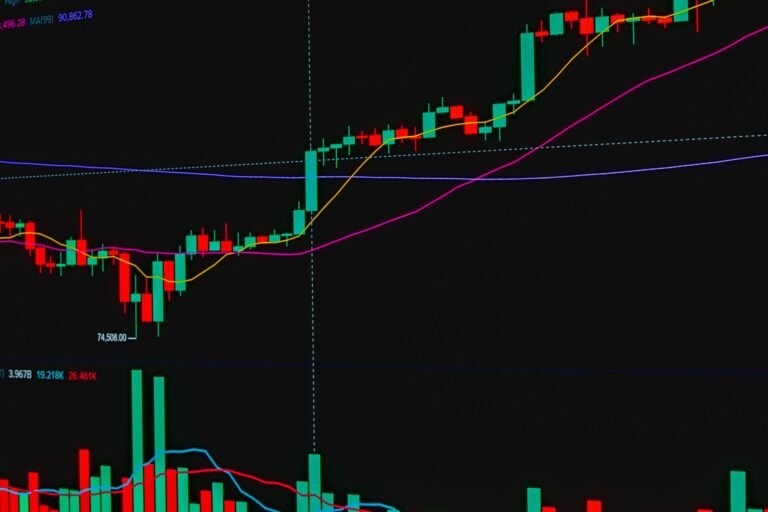
Data from TradingView showed BTC price rising as much as 4.7% within 60 minutes to an intraday high of $71,500, erasing all losses from the previous three days. The last time BTC/USD traded above $71,000 was on March 19. Coinbureau CEO Nic Puckrin dubbed this sudden rise the ‘TACO PUMP,’ reflecting the rapid and unexpected nature of the price surge.
Impact on Broader Markets
The move in Bitcoin was accompanied by a broader market reaction. Gold, which had been under pressure, saw its losses narrow to just 1% on the day, rebounding to $4,440 per ounce. The dollar index (DXY) slipped to 99.3, while oil prices plummeted, with WTI crude dropping below $85—the steepest single-day decline since late 2025.
Technical Analysis and Future Outlook
Bitcoin’s surge filled a significant CME gap around $70,000, a level that traders had been closely watching. With this gap now filled, the focus shifts to the $72,000 to $75,000 liquidity zones. A close above $72,000 would push BTC/USD toward the next major liquidity cluster at $75,000. Analyst Daan Crypto Trades noted that the $64,000 to $65,000 region remains a critical support level, with substantial fear driving recent market sell-offs.
Conclusion and Forward-Looking Insights
While the immediate market reaction to Trump’s announcement has been positive for Bitcoin, the broader geopolitical landscape remains volatile. The next few days will be crucial for determining whether the current momentum can sustain and push BTC toward higher liquidity zones. Investors and traders should remain cautious, as the market is still highly sensitive to geopolitical developments and liquidity dynamics.
About the Author