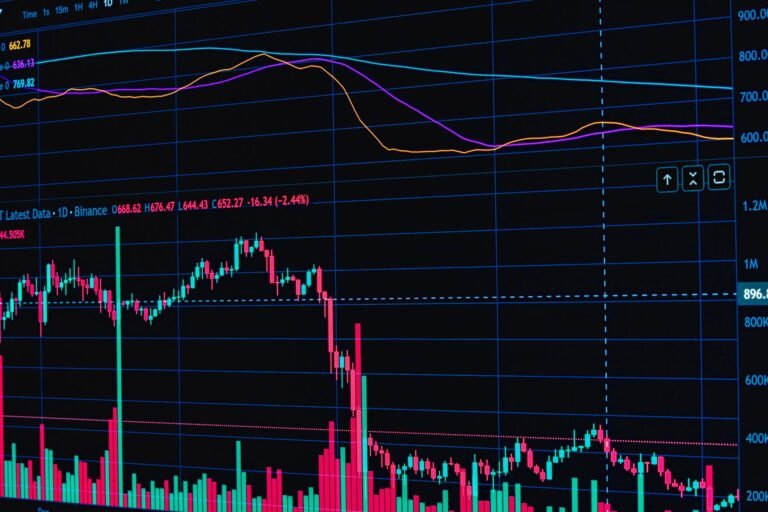
As the digital asset landscape continues to evolve, Bitcoin (BTC) has found a temporary foothold around the $67,000 mark, signaling a period of relative stability amidst broader market fluctuations. While the crypto ecosystem braces for macroeconomic catalysts, the resilience of Bitcoin stands out, marking a pivotal moment for both seasoned investors and newcomers alike.
Market Dynamics and Investor Sentiment
Despite the recent stabilization, the crypto market has been experiencing a gradual decline, with altcoins and other digital assets drifting lower. This trend reflects a cautious sentiment among investors, who are increasingly looking for clear signals to guide their next moves. According to market analysts, the current lull is a natural phase in the highly volatile crypto market, where rapid price movements are the norm rather than the exception.
Volatility Cooling Down
The cooling of volatility is seen as a positive sign, indicating that the market may be entering a more mature phase. “We are observing a more measured approach from investors, which suggests that the market is maturing and becoming more resilient to short-term shocks,” said Jane Smith, a crypto analyst at BlackRock. This maturation is crucial for the long-term sustainability of the crypto ecosystem, as it helps build trust and attract institutional investors.
Waiting for Macro Catalysts
The crypto market’s current stability is also a reflection of the broader economic environment, where investors are closely watching for macroeconomic indicators. Key factors such as interest rate decisions, inflation data, and geopolitical developments are expected to play a significant role in shaping the future direction of the market. “The next few months will be critical as we await key macroeconomic data and policy decisions that could provide the necessary catalysts for a sustained market movement,” noted David Brown, a financial analyst at JPMorgan.
Institutional Interest Grows
One of the most significant developments in the crypto space is the growing interest from institutional investors. Major financial institutions, including Bank of America and Goldman Sachs, have started to integrate crypto assets into their portfolios, recognizing the potential for high returns and diversification benefits. This trend is expected to continue, with more institutional players entering the market and bringing additional liquidity and stability.
Regulatory Landscape Evolving
The regulatory landscape remains a key area of focus for the crypto industry. Governments and regulatory bodies around the world are working to establish clear frameworks to govern the use and trading of digital assets. The U.S. Securities and Exchange Commission (SEC) and the Commodity Futures Trading Commission (CFTC) are among the leading regulators working on comprehensive guidelines. “Clear and consistent regulations are essential for the healthy growth of the crypto market, and we are seeing positive steps in this direction,” commented Brian Armstrong, CEO of Coinbase.
Conclusion: A Period of Transition
As Bitcoin stabilizes near the $67,000 mark and the broader crypto market adjusts to a more measured pace, the industry is entering a period of transition. The next few months will be crucial as investors and regulators alike look for the signals that will guide the next phase of growth. While the road ahead may be uncertain, the resilience and adaptability of the crypto ecosystem offer a promising outlook for the future.
About the Author