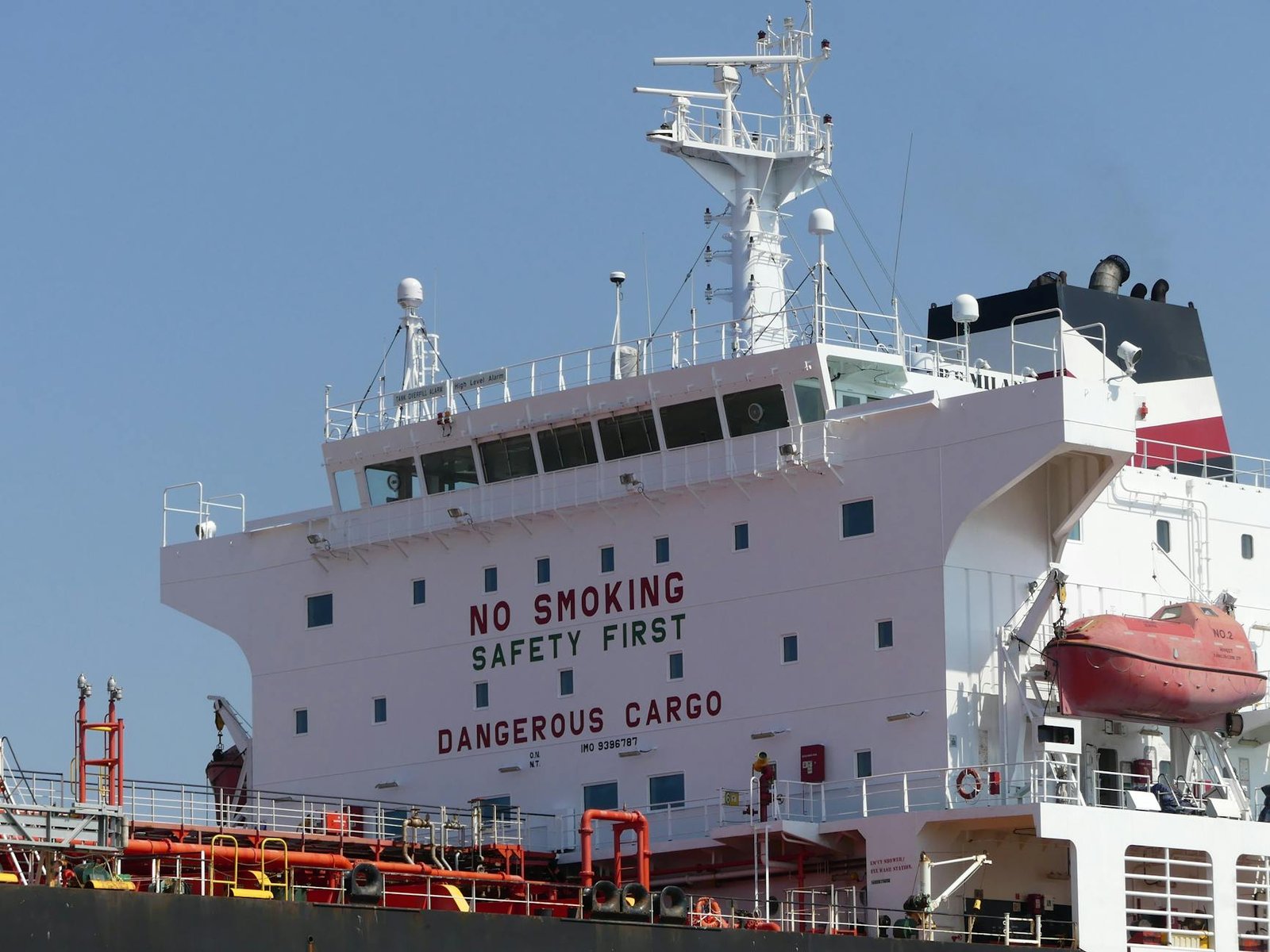
In a significant development that could reshape global energy trade, Deutsche Bank has issued a stark warning: Iran’s insistence on Chinese yuan payments for oil tanker passage through the Strait of Hormuz could mark the beginning of the end for the petrodollar system.
The petrodollar system, established in 1974, has long underpinned the U.S. dollar’s dominance as the world’s primary reserve currency. However, the ongoing conflict in the Middle East, particularly the tensions between the U.S., Israel, and Iran, is creating what Deutsche Bank strategist Mallika Sachdeva calls a ‘perfect storm’ for the petrodollar.
The Petrodollar’s Foundations
The petrodollar system emerged from a deal between Saudi Arabia and the United States, where Saudi oil exports were priced in U.S. dollars in exchange for American security guarantees. This agreement ensured a consistent global demand for dollars and solidified the dollar’s position as the primary reserve currency. Despite shifts in Saudi Arabia’s largest customer base, the kingdom now sells about four times more oil to China than to the U.S., highlighting the changing dynamics of global energy trade.
The Strait of Hormuz: A Critical Chokepoint
The Strait of Hormuz, a narrow waterway carrying about one-fifth of the world’s oil and gas, has become a focal point of geopolitical tension. Since the conflict escalated in late February 2026, Iran has threatened vessels it deems supportive of what it describes as aggression. Reports indicate that Iran is negotiating tanker passage only when transactions are settled in yuan, a policy Deutsche Bank flags as a potential watershed moment.
China’s Role in the Petroyuan Rise
China, Iran’s largest oil buyer, has long promoted yuan-based energy invoicing through initiatives like Project mBridge. Since late February, at least 11.7 million barrels of oil have moved through Chinese-linked tankers, with many vessels going dark to avoid tracking. Discussions with at least eight non-Middle Eastern countries on yuan-based oil trade for safe transit have also been reported, signaling a broader shift in global energy trade dynamics.
Structural Implications and Risks
Sachdeva’s analysis suggests that the conflict could catalyze the erosion of petrodollar dominance, leading to the beginnings of a petroyuan. While Deutsche Bank does not predict an immediate collapse of the dollar, the bank warns of incremental, structurally significant erosion if yuan-based energy flows gain traction. Sanctioned Iranian and Russian oil, which accounts for about 13 million barrels per day (14% of global supply), has traded outside dollar rails for years, and the Iran conflict widens this channel.
Downstream risks include Gulf economies unwinding dollar-denominated asset holdings and sovereign wealth funds and central banks diversifying away from greenbacks if U.S. security guarantees in the region appear weakened. Other producers, including Russia and Venezuela, may find additional reasons to route energy sales outside the dollar system.
Market Reactions and Broader Context
West Texas Intermediate crude has traded above $90 per barrel in recent sessions, reflecting market tension around Hormuz risk. Currency markets have shown modest yuan strength in select sessions, though analysts note no structural shift has been confirmed. The broader de-dollarization context is also significant, with BRICS nations pushing for non-dollar trade agreements and central banks globally increasing gold and non-dollar reserve holdings.
Looking Ahead
Deutsche Bank’s analysis underscores the dollar’s durability, resting on deep liquidity and global network effects that no single geopolitical event is likely to quickly dismantle. However, the Iran conflict serves as a historic stress test for the petrodollar regime. Whether the conflict de-escalates before causing permanent structural damage remains to be seen. For now, markets reflect cautious optimism, but the monetary pressure is already being applied, and the petroyuan’s rise is a trend worth watching closely.
About the Author