Bitcoin holds $67,500 as Trump signals he may end Iran war with Hormuz still shut
Equity futures rallied and oil erased gains on the report, but the S&P 500 is on its longest losing streak since 2022 and MSCI Asia Pacific is heading for its worst month since 2008.
What to know:
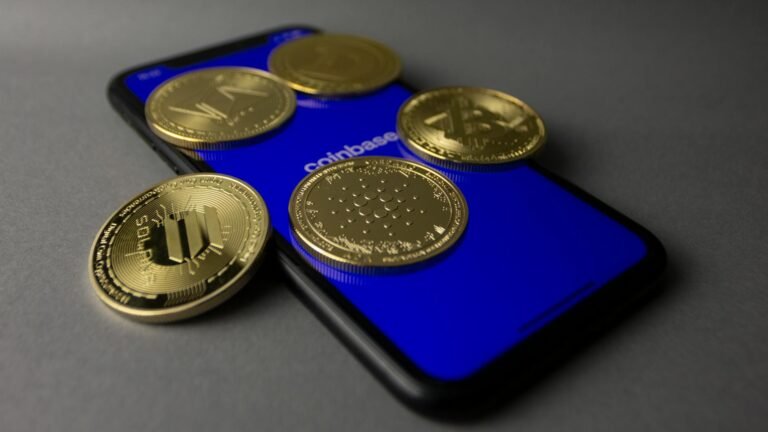
- Bitcoin recovered from Monday’s dip below $65,200 and trades near $67,500, with major altcoins down 3-8% on the week as March closes with broad losses across risk assets.
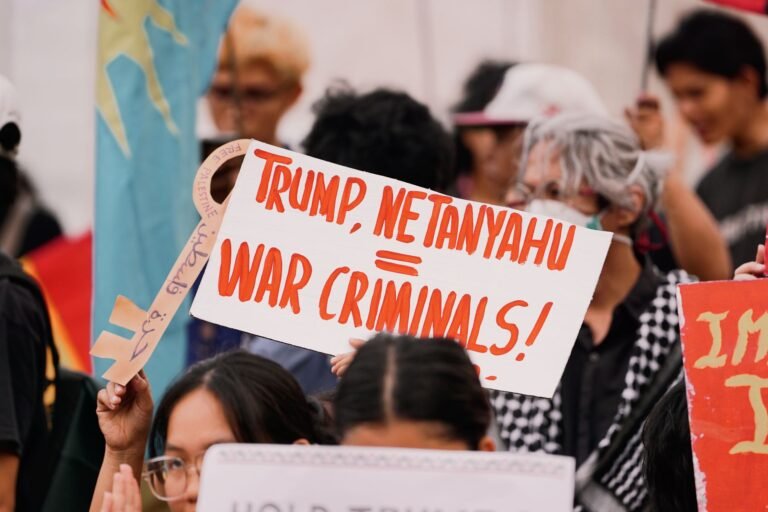
- The Wall Street Journal reported that Trump told aides he’s willing to end the U.S. military campaign against Iran even if the Strait of Hormuz remains largely closed, sending equity futures higher and oil lower.
- The S&P 500 is on its longest losing streak since 2022 and MSCI Asia Pacific is tracking its worst month since October 2008, making crypto’s sideways grind look comparatively stable.
Trump may be ready to walk away from the Iran war. Markets aren’t sure what that means yet.
Bitcoin traded at $67,545 on Tuesday morning, roughly flat over 24 hours after recovering from a dip below $65,200 that briefly marked its lowest level since the war began in late February. Ether held above $2,000 at $2,062, up 0.4% on the day. Solana’s SOL fell 0.9% to $83.07, XRP dropped 2.2% to $1.32, and dogecoin slid 2.1% to $0.09. SOL and XRP led weekly losses across the top 10 at 8% and 6.4% respectively.
The Wall Street Journal reported Monday that Trump and his aides assessed that prying open the Strait of Hormuz would push the conflict beyond his four-to-six week timeline, and that the president told advisers he’s willing to end the campaign even if the strait remains largely closed.
S&P 500 futures climbed 0.8% on the report. WTI crude erased an earlier jump to $107 and settled near $103 after Iran struck a Kuwaiti crude oil carrier in Dubai earlier in the session.
The whipsaw capped a brutal stretch for traditional markets. The S&P 500 is now on its longest daily losing streak since 2022. MSCI Asia Pacific is heading for its worst month since the 2008 financial crisis. Treasuries extended gains and the dollar weakened against most G10 currencies.