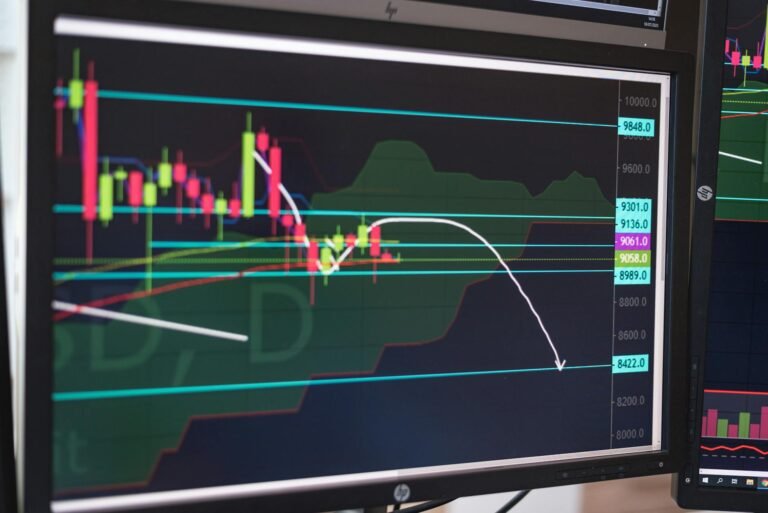
The change reflects a shift in who drives prices. Retail investors once dominated crypto trading and reacted to macro news. ETFs allowed institutions to play a bigger role, and these firms often positioned months ahead of policy changes, treating BTC as a forward-looking asset.

“As a result, BTC may have evolved from a macro ‘lagging receiver’ to a ‘leading pricer,” Binance Research wrote. “A peak in easing may already be old news for BTC, and crypto-native drivers—such as policy progress and institutional flows—could matter more than the direction of monetary easing itself.”

The findings come as markets grapple with renewed stagflation fears tied to rising oil prices and growing geopolitical tensions over the war in the Middle East.

Rate expectations have swung from projected cuts to possible hikes, a backdrop that historically pressured risk assets.

Binance argues that the reaction may be overstated. In past cycles, central banks often pivoted to support growth despite inflation spikes. If history repeats itself, central banks are to eventually prioritize growth over inflation, and bitcoin will likely price that pivot earlier than expected.

AI Disclaimer: Parts of this article were generated with the assistance from AI tools and reviewed by our editorial team to ensure accuracy and adherence to our standards. For more information, see CoinDesk’s full AI Policy.

More For You

Encryption Supremacy - Zcash and Privacy in the Age of Scale

Most crypto privacy models weaken as blockchain data grows. Encryption-based models like Zcash strengthen. CoinDesk Research maps the five privacy approaches and examines the widening gap.

Why it matters:

As blockchain adoption scales, the metadata available to machine learning models scales with it. Obfuscation-based privacy approaches are structurally degrading as a result. This report provides a comprehensive comparison of all five major crypto privacy architectures and a framework for evaluating which models remain durable as AI capabilities improve.

More For You

North Korean flags waving in the wind.

Attackers posed as a trading firm, met Drift contributors in person across multiple countries, deposited $1 million of their own capital, and waited half a year before executing the drain CoinDesk detailed earlier this week.

What to know:

  • A North Korean state-linked group spent roughly six months infiltrating Drift Protocol under the guise of a quantitative trading firm before executing a $270 million exploit on April 1.
  • The attackers built trust by meeting Drift contributors at conferences, depositing more than $1 million, and integrating an Ecosystem Vault, then…

About the Author

Leave a Reply

Your email address will not be published. Required fields are marked *

Related Stories