Share this article
Bitcoin miners face a new rival for cheap power as Anthropic signs multi-gigawatt compute deal
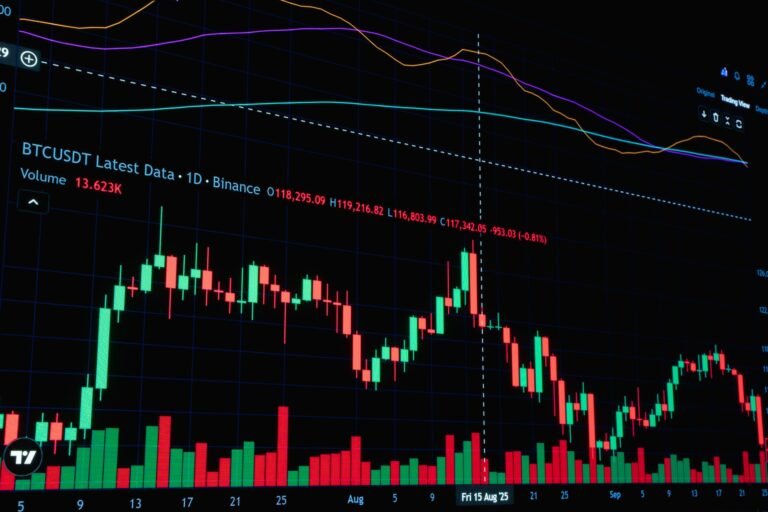
The AI company’s partnership with Google and Broadcom for next-generation TPU capacity starting in 2027 adds to a wave of demand reshaping the economics of every industry that competes for cheap electricity, including bitcoin mining.
Apr 7, 2026, 5:01 a.m.
What to know:
- Anthropic has struck its largest compute deal yet, partnering with Google and Broadcom for multiple gigawatts of next-generation TPU capacity starting in 2027 as its annual revenue run rate jumps to $30 billion from $9 billion at the end of 2025.
- The rapid buildout of AI infrastructure is emerging as a direct competitor to bitcoin mining for scarce energy resources such as grid connections, land, cooling and cheap electricity, with AI now representing one of the largest new sources of U.S. power demand.
- Under pressure from rising costs and volatile mining economics, major bitcoin miners are increasingly shifting toward hosting AI workloads, positioning themselves as power and data-center infrastructure providers that also mine bitcoin rather than pure-play mining companies.
A Cambridge tracker estimates bitcoin mining draws roughly 13 to 25 gigawatts of continuous power globally depending on hardware efficiency assumptions.
Anthropic securing multiple gigawatts from a single deal, on top of existing capacity across AWS Trainium, Google TPUs, and Nvidia GPUs, shows just how quickly AI is becoming a peer-level competitor for the same energy infrastructure that miners depend on.
And Anthropic is one company. OpenAI, which raised $122 billion last week and described compute as a “strategic moat,” is building across an even wider infrastructure portfolio spanning five cloud providers and four chip platforms.